
Sila’s Panasonic deal puts silicon-anode batteries on a clearer commercial path
A new supply agreement backs silicon-carbon material production in the US. It is progress towards better cells, with no specific NZ vehicle or range gain confirmed.
The next improvement to an EV battery may begin with a material most drivers never see.
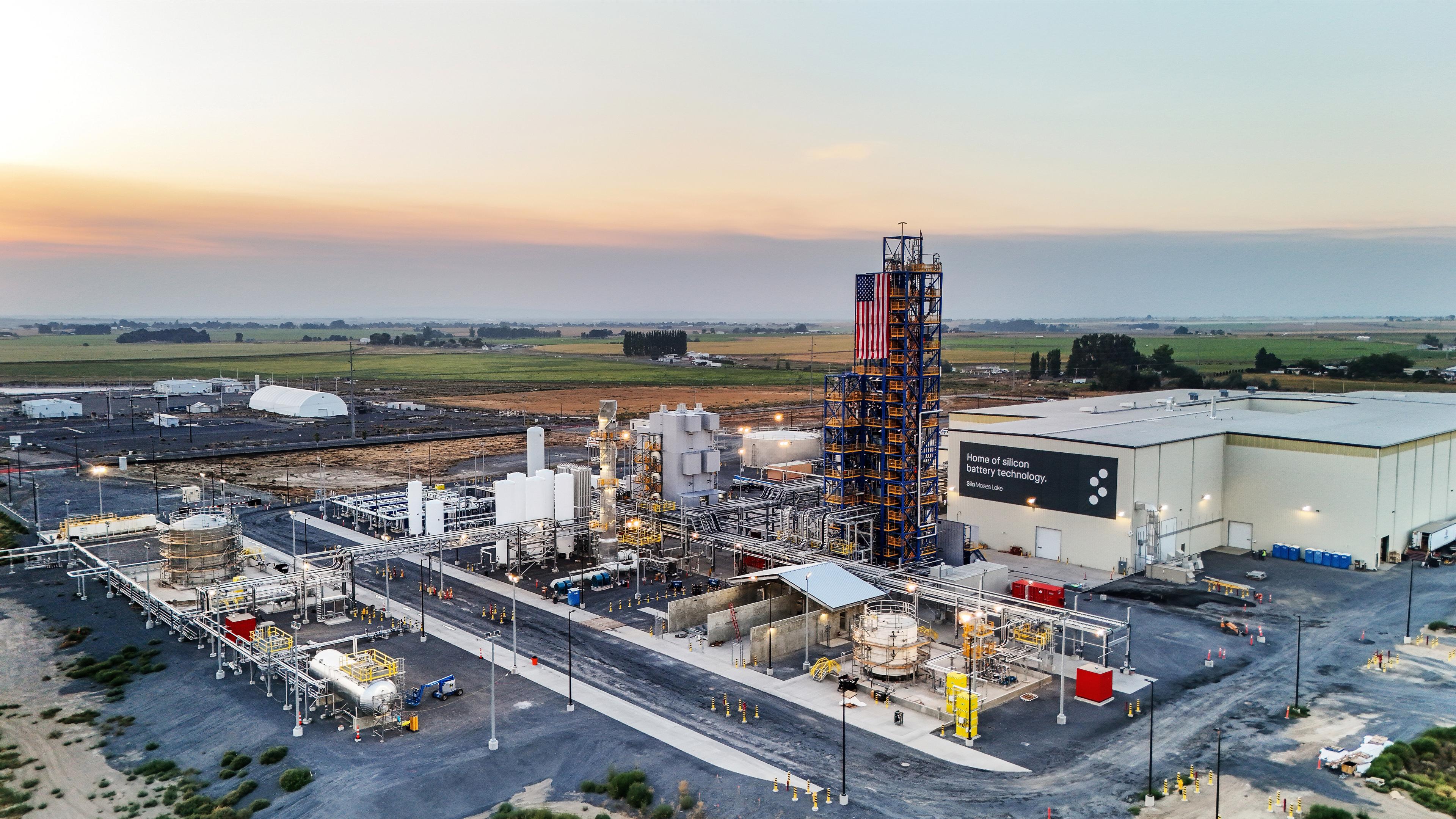
Sila has signed a multi-year agreement to supply its Titan Silicon silicon-carbon anode material to Panasonic Energy’s North American business. Announced on 18 November, the deal gives the technology a commercial route into Panasonic battery cells through material produced at Sila’s Moses Lake plant in Washington.
Sila says the wider relationship has the potential to exceed US$1 billion in purchases over time. That is a potential commercial value, not a confirmed order for a particular number of EV battery packs.
For New Zealand buyers, the announcement is worth understanding as a step in battery development. It does not identify an NZ-bound vehicle, a local launch date or a price reduction.
What the anode actually does
A lithium-ion cell has two electrodes, an anode and a cathode, with an electrolyte carrying lithium ions between them. During charging, lithium moves towards the anode; when the battery supplies power, it moves back towards the cathode.
The US Department of Energy’s battery explanation sets out that basic exchange. Changing the anode changes one important part of the cell, rather than replacing the whole lithium-ion operating principle.
Sila’s material uses silicon and carbon in place of a conventional graphite approach. The attraction is energy density: storing more energy within a given amount of battery material.
On its Titan Silicon product page, Sila claims a 20 per cent energy-density improvement over its stated comparison cells. That is a manufacturer technology claim, not a measured 20 per cent range increase for a car.
A vehicle’s range also depends on the rest of the cell, pack design, mass, tyres, aerodynamics and operating conditions. A material-level gain cannot simply be added to a brochure range figure.
From promising material to repeatable production
Sila says its material can be adapted to different cell formats, including pouch, cylindrical and prismatic designs. It also offers recipe development and cell prototyping to tune performance for a customer’s application.
That flexibility matters because there is no single ideal battery recipe. A cell designed for maximum energy storage may have different priorities from one intended to deliver very high power.
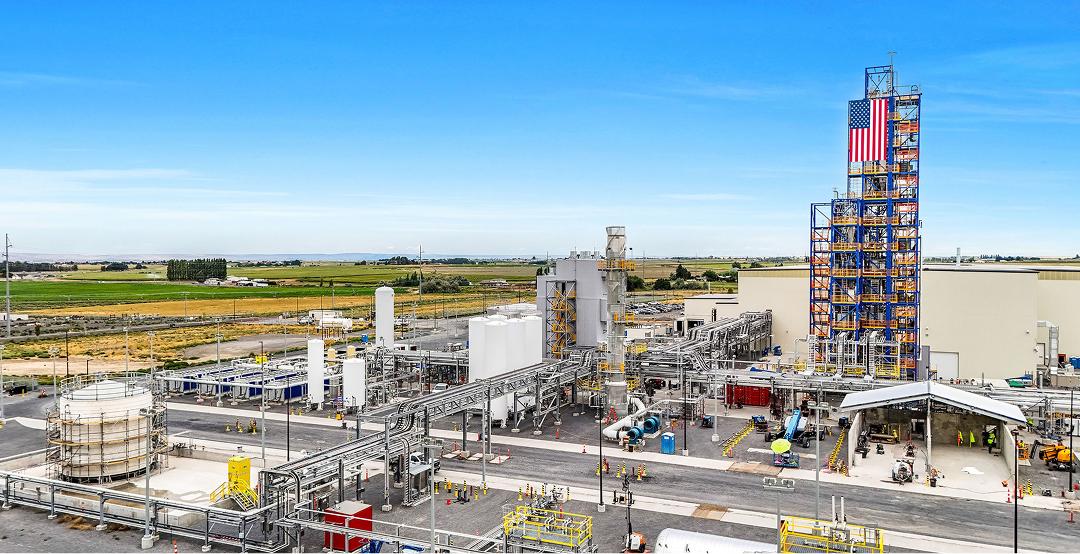
The company’s manufacturing information describes Moses Lake as its dedicated facility for making the material at automotive quality and scale. Production processes and consistent quality are as important to a supply deal as a promising laboratory result.
The new announcement still refers to material being supplied once qualified. A signed agreement and customer qualification are distinct milestones.
What Kiwi shoppers can take from it
The useful development is a battery-material supplier securing a major cell maker as a commercial customer. It gives a clearer indication of demand than an isolated performance claim.
What it does not yet provide is a finished-car comparison. Until a manufacturer identifies the cells, pack and vehicle using the material, there is no sound basis for assigning it an NZ charging time, range, warranty or purchase price.
For now, this is progress in the supply chain behind future batteries, with the benefits for a specific car still to be demonstrated.
Explainer · Spotted an error? Tell us. Read our editorial policy.
Related stories
Explainer
Addionics tackles battery ageing by changing the metal inside the cell
Overseas announcementNew laboratory results put porous current collectors in the spotlight, with implications for future EV battery development.
CarWatch Admin ·
Explainer
Niron’s US$1.8b factory plan puts rare-earth-free EV magnets in focus
Overseas announcementIron-nitride magnets offer another route away from rare earths in electric motors. Niron's new US factory remains a future project, with no NZ vehicle application announced.
CarWatch Admin ·
News
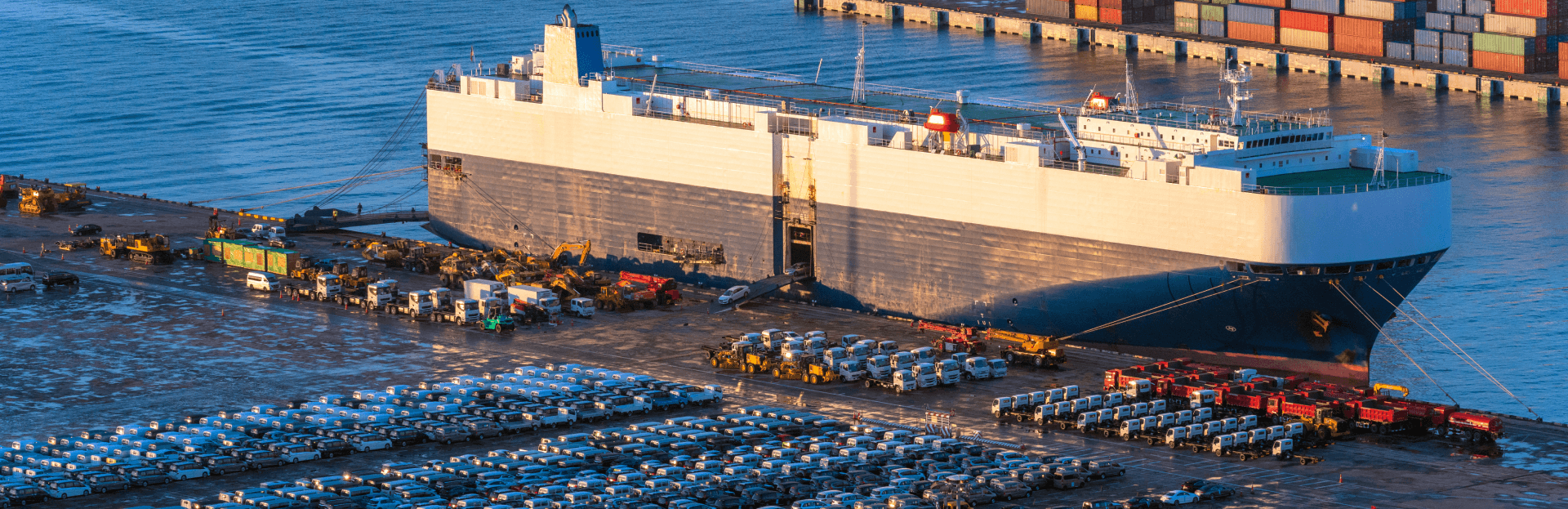
Japan shipping pause complicates used EV imports for 2027, with Leaf exception
NCC says Wallenius Wilhelmsen’s year-long Japan-to-Oceania pause leaves container shipping as its current option for used BEVs other than the Nissan Leaf. Extra costs remain vehicle-specific.
CarWatch Admin ·
News
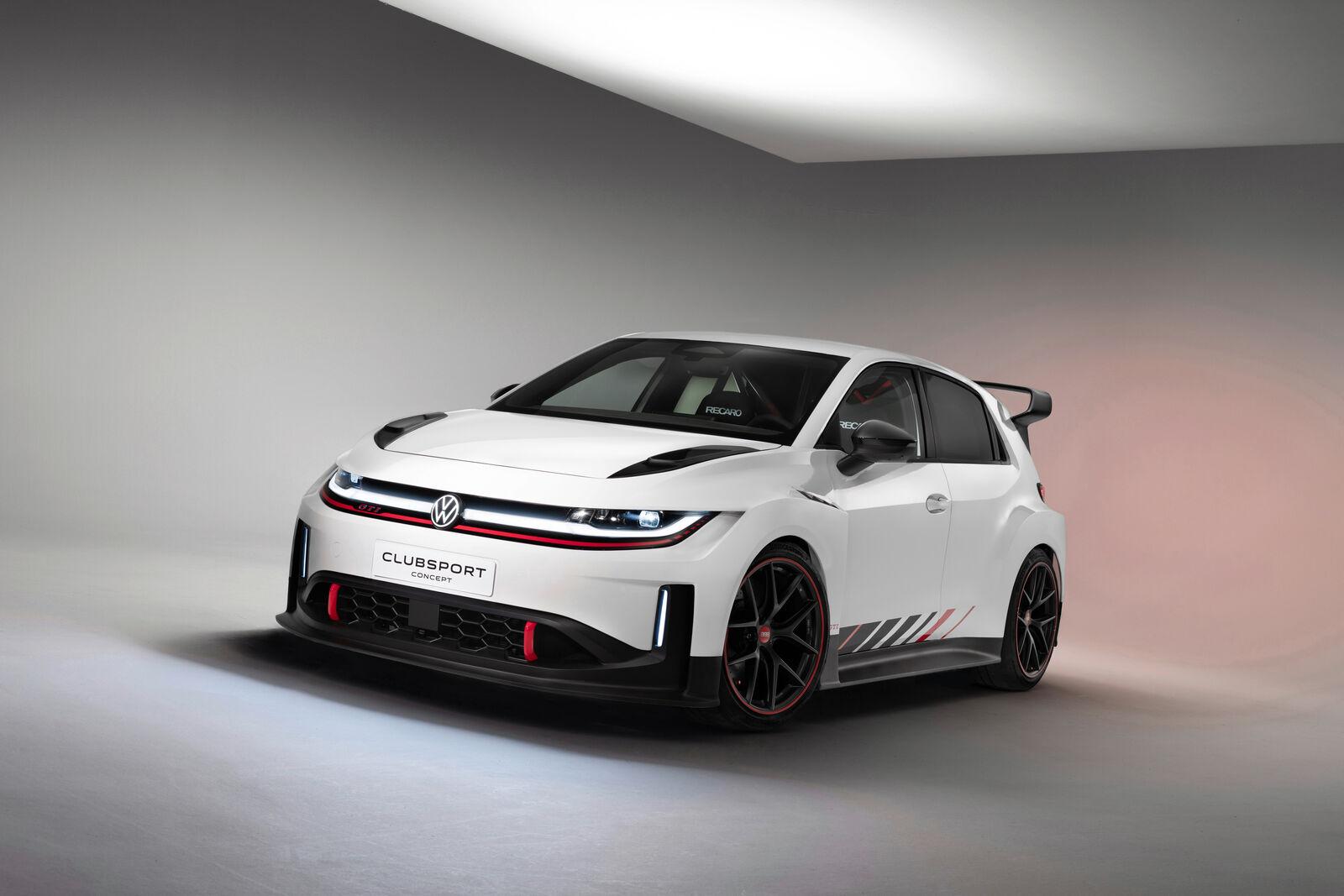
Volkswagen’s 270kW ID. Polo GTI Clubsport is a concept with a clever motor swap
Overseas announcementVolkswagen’s electric GTI show car puts the APP550 motor up front and pairs it with a reworked 52kWh battery system. Production and NZ availability are unconfirmed.
CarWatch Admin ·