
Niron’s US$1.8b factory plan puts rare-earth-free EV magnets in focus
Iron-nitride magnets offer another route away from rare earths in electric motors. Niron's new US factory remains a future project, with no NZ vehicle application announced.
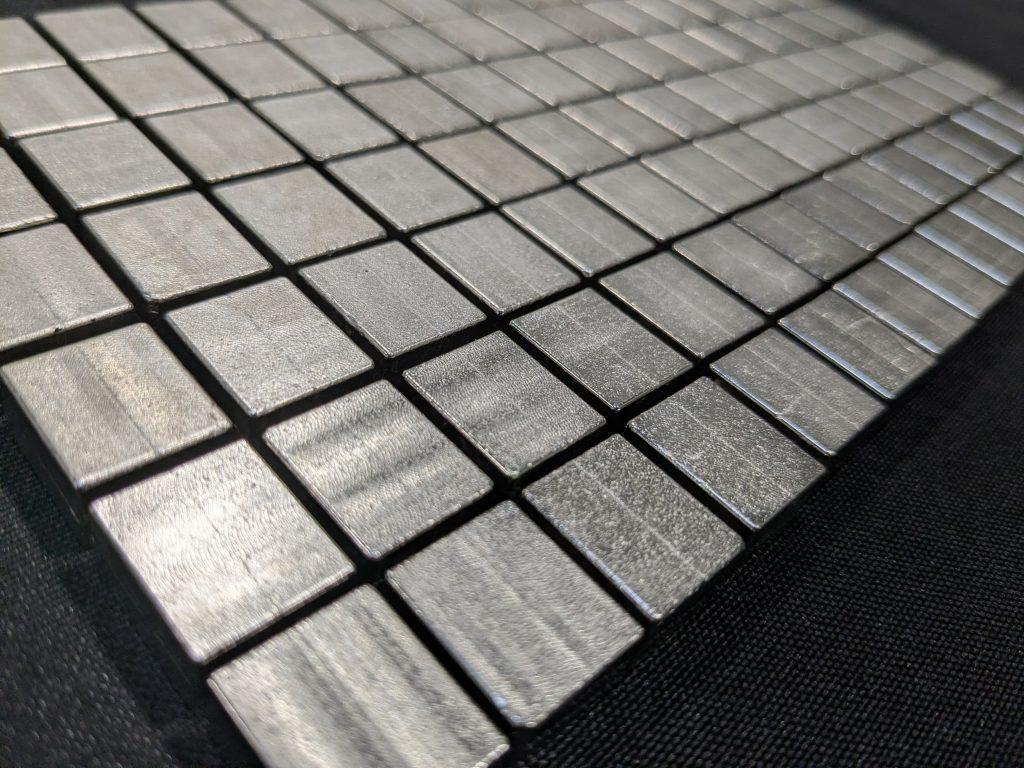
EV technology has a materials problem as well as a battery problem. The magnets inside some electric motors rely on rare earth elements, tying a small but important component to a difficult supply chain.
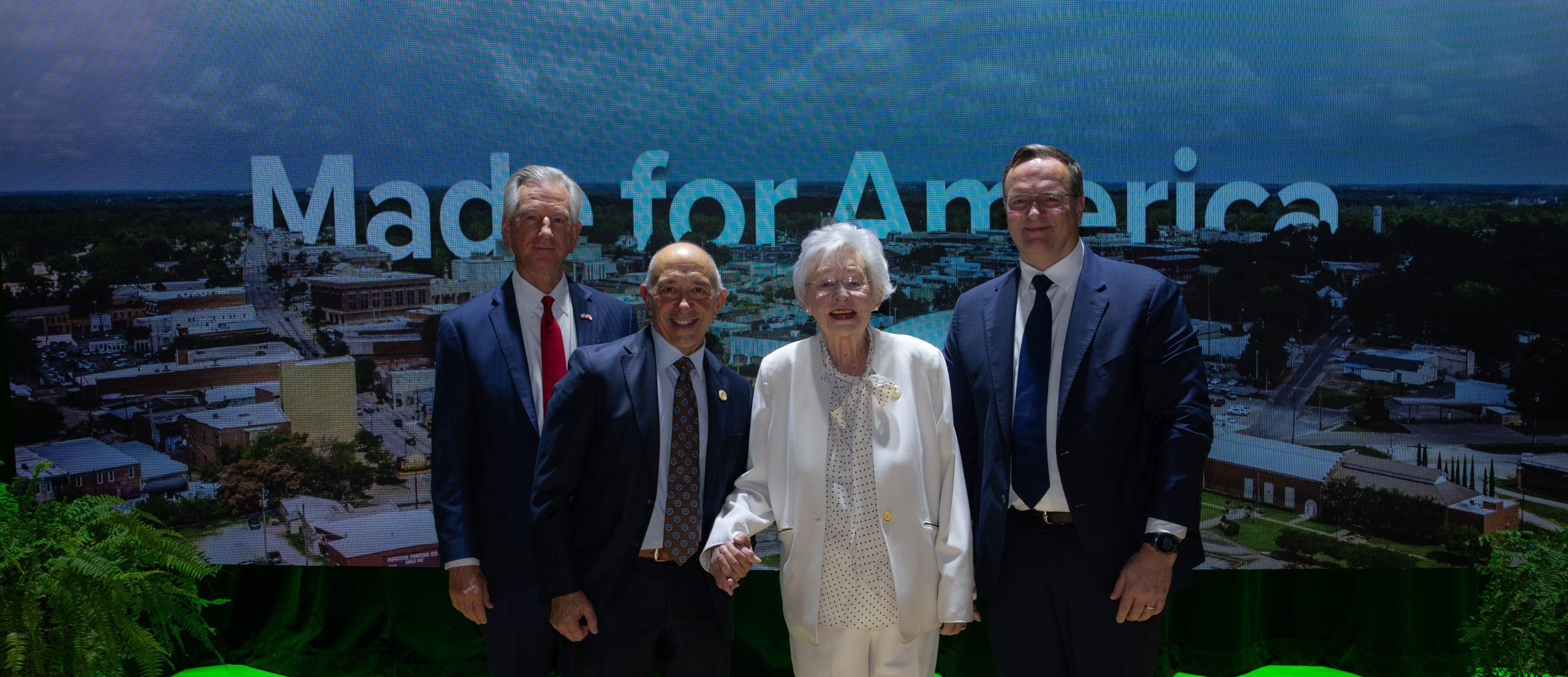
Niron Magnetics is backing an alternative with a newly announced US$1.8 billion manufacturing campus in Dothan, Alabama. Its iron-nitride permanent magnets use iron and nitrogen instead of rare earth elements.
The 20 November announcement puts construction in 2028 and production in 2029. Those are expected milestones for a planned factory, rather than a declaration that its output is available to carmakers today. Niron also plans to open its Sartell, Minnesota plant in 2027.
Why the magnet matters
An electric motor turns electrical energy into movement. In a permanent-magnet design, magnets provide part of the magnetic field that produces that movement. Their material affects the engineering choices available to the motor designer.
The US Department of Energy describes internal permanent-magnet motors as offering high power density and strong performance across much of their operating range. However, conventional versions depend on rare earth elements such as neodymium, dysprosium and terbium. Cost and supply vulnerability are among the reasons researchers want alternatives.
A rare-earth-free motor is already possible through other designs. Induction motors, for example, are used in production vehicles. Niron's proposition is a different route: retain permanent magnets while changing what they are made from.
That distinction matters. This is a component-material development, rather than a new battery chemistry, and it should be judged on the performance of the complete motor that eventually uses it.
An EV motor is already on display
There is more to the programme than a factory proposal. Niron's new Minneapolis experience centre, opened on 12 November, includes an EV traction motor developed with Alvier Mechatronics and Drive System Design.
The centre also displays an electric motorcycle from Matter, a Bimotal electric bicycle drive and automotive audio equipment. These illustrate how widely magnets can be used, but a display motor does not establish fitment in a production passenger car.
Niron's applications information extends the potential automotive uses beyond propulsion to electric power steering, auxiliary motors and thermal management. That means the technology could eventually appear in less visible parts of a vehicle as well as its main drive unit.
What it means for NZ buyers
For New Zealand, the potential benefit is further choice in the components that future imported EVs use. Diversifying magnet materials could give manufacturers another way to manage supply risk.
There is no confirmed NZ vehicle application or local launch date in these announcements. Nor do they provide a vehicle-level range improvement, retail saving or charging benefit that buyers can bank on.
The next useful evidence will be a named production application with specifications for the whole system. Until then, the Alabama investment is a significant attempt to move an alternative motor material towards larger-scale supply, with the consumer outcome still to be established.
Explainer · Spotted an error? Tell us. Read our editorial policy.
Related stories
Explainer
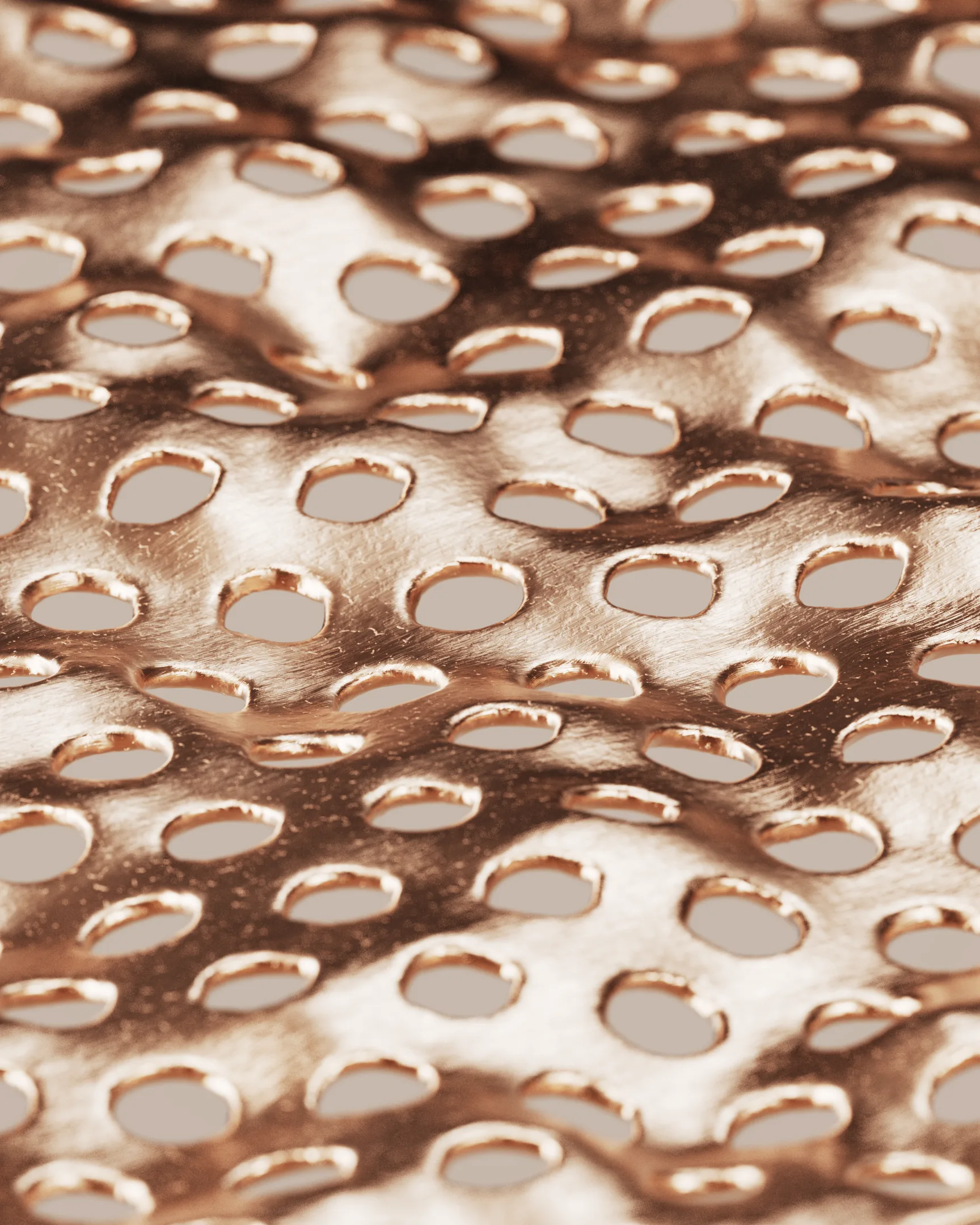
Addionics tackles battery ageing by changing the metal inside the cell
Overseas announcementNew laboratory results put porous current collectors in the spotlight, with implications for future EV battery development.
CarWatch Admin ·
News
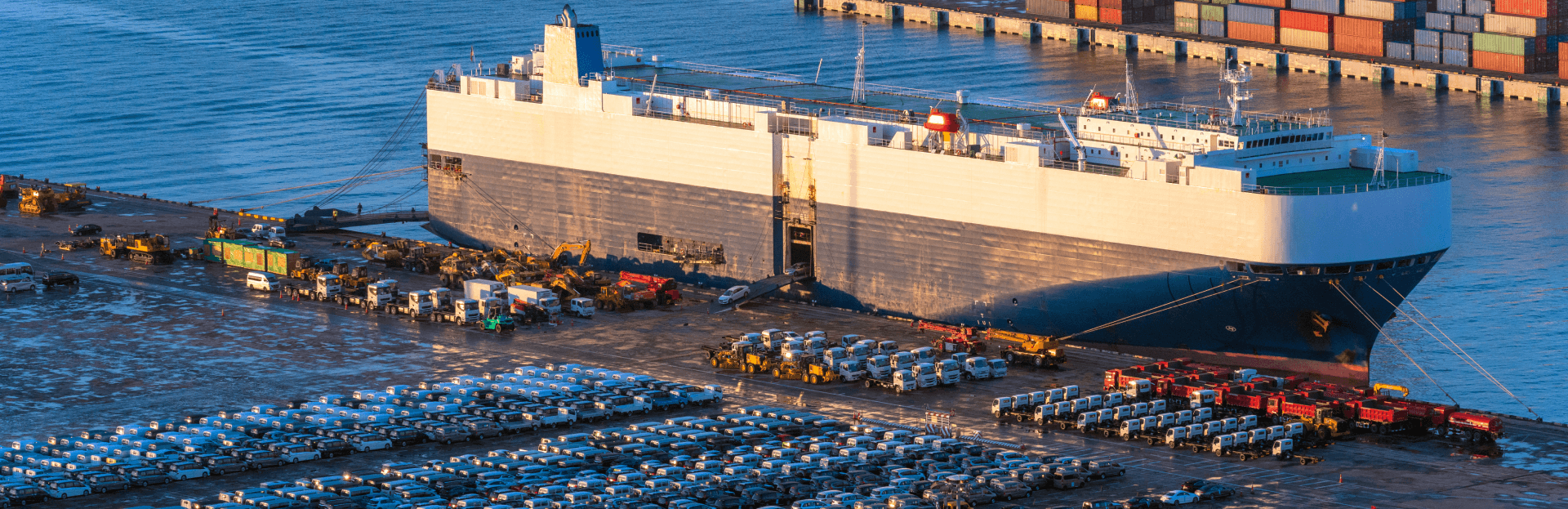
Japan shipping pause complicates used EV imports for 2027, with Leaf exception
NCC says Wallenius Wilhelmsen’s year-long Japan-to-Oceania pause leaves container shipping as its current option for used BEVs other than the Nissan Leaf. Extra costs remain vehicle-specific.
CarWatch Admin ·
News
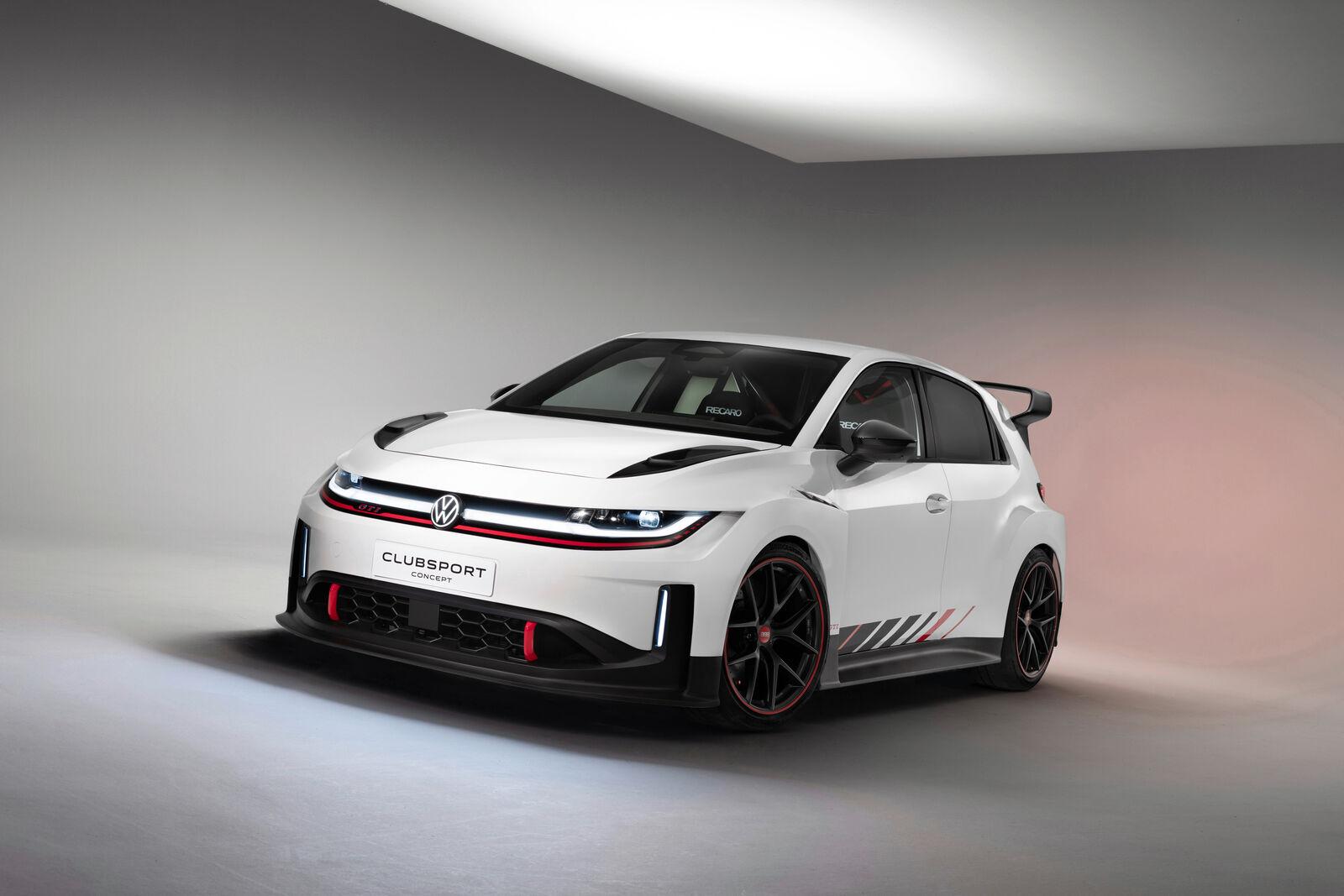
Volkswagen’s 270kW ID. Polo GTI Clubsport is a concept with a clever motor swap
Overseas announcementVolkswagen’s electric GTI show car puts the APP550 motor up front and pairs it with a reworked 52kWh battery system. Production and NZ availability are unconfirmed.
CarWatch Admin ·
Explainer
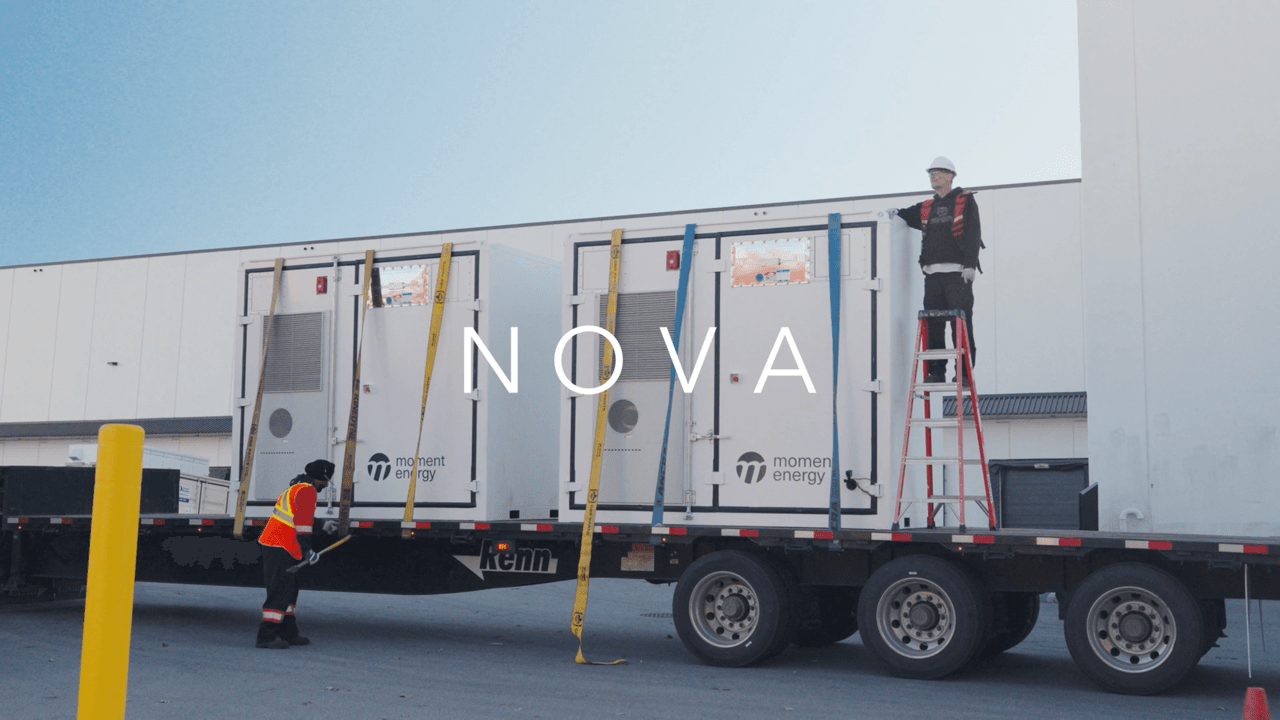
Nova gives retired EV batteries a second job powering buildings
Overseas announcementMoment Energy’s new commercial storage system repurposes suitable EV packs, with North American deliveries planned for early 2027. NZ availability remains unconfirmed.
CarWatch Admin ·