
Japan shipping pause complicates used EV imports for 2027, with Leaf exception
NCC says Wallenius Wilhelmsen’s year-long Japan-to-Oceania pause leaves container shipping as its current option for used BEVs other than the Nissan Leaf. Extra costs remain vehicle-specific.
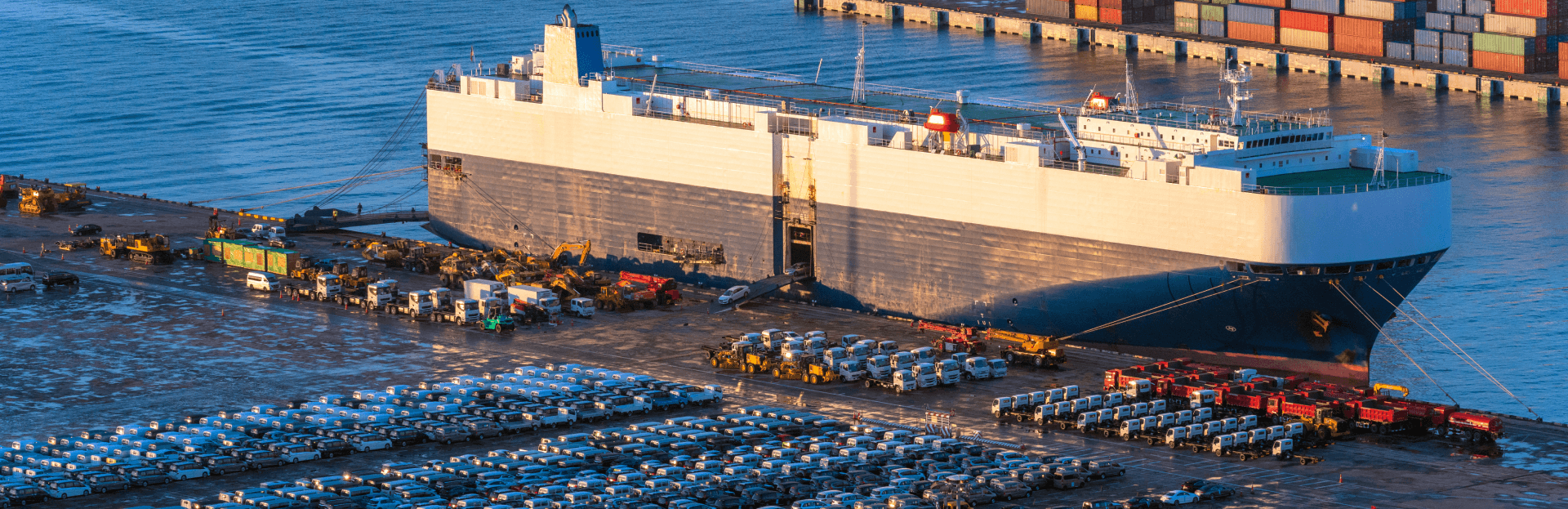
A change to the shipping route between Japan and New Zealand could complicate the search for a used electric car in 2027, particularly for buyers looking beyond the Nissan Leaf.
NCC Car Carriers says Wallenius Wilhelmsen will suspend its Japan-to-Oceania roll-on, roll-off service for the whole of 2027. Its service notice, listed on 18 November, covers sailings to New Zealand, Australia, Fiji and New Caledonia.
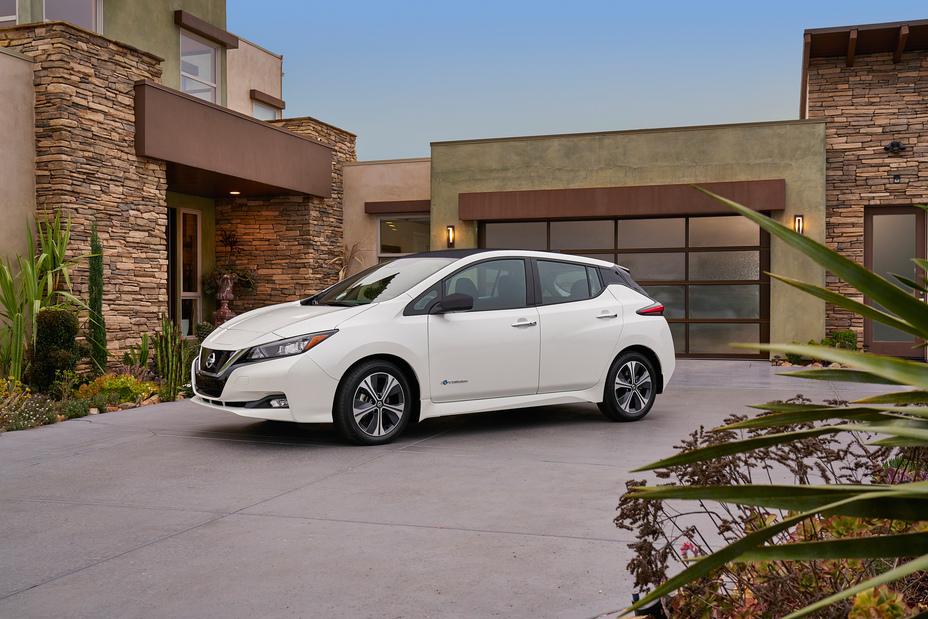
The important detail is which vehicles still have another route. NCC says petrol, diesel, hybrid and Nissan Leaf vehicles will continue shipping through its other roll-on, roll-off carriers.
For other used battery-electric models, the company says container shipping is currently the available alternative, with additional charges.
Why the Leaf exception matters
Roll-on, roll-off shipping, often shortened to RoRo, moves vehicles aboard dedicated vehicle carriers rather than packing each shipment into containers.
NCC’s customer notice says Wallenius Wilhelmsen has been its only RoRo option for used BEVs other than the Leaf. Losing that service therefore affects the available transport method for those cars within its current shipping arrangements.
This should be read as a change to shipping options, rather than a blanket statement about every electric car entering New Zealand. The notice specifically preserves the Leaf route through other carriers and distinguishes used BEVs from other vehicle types.
It also attributes the suspension to global RoRo capacity pressure. It does not provide a fixed increase in the landed cost of an affected car.
Check the freight before committing to the car
For someone comparing a vehicle already in a New Zealand yard with one still in Japan, that distinction is practical. The Japanese purchase price is only one part of the decision.
Before committing to an affected vehicle for shipment in 2027, buyers and importers should establish the actual shipping method, the quoted freight and handling charges, and the expected delivery schedule. A comparison based on an old RoRo quote may no longer describe the available transaction.
NCC asks customers with BEVs on order, or purchases planned for 2027, to discuss the details and costs with its team. It says it will continue working with carrier partners and advise if new options become available.
That leaves room for the situation to change. It does not justify assuming a replacement service will appear in time for a particular purchase.
More ships globally does not settle this route
Wallenius Wilhelmsen is still investing in its fleet. In an October announcement, it confirmed agreements for four additional car and truck carriers, with the first of those deliveries planned from mid-2030.
That is a longer-term capacity investment. It does not establish a return date for the Japan-to-Oceania service or solve an importer’s 2027 booking.
The immediate takeaway for NZ shoppers is to get the transport route and full quote confirmed for the specific car. For non-Leaf used EVs coming from Japan, the shipping plan now deserves attention as early as the vehicle shortlist.
News · Spotted an error? Tell us. Read our editorial policy.
Related stories

Explainer
Addionics tackles battery ageing by changing the metal inside the cell
Overseas announcementNew laboratory results put porous current collectors in the spotlight, with implications for future EV battery development.
CarWatch Admin ·
Explainer
Niron’s US$1.8b factory plan puts rare-earth-free EV magnets in focus
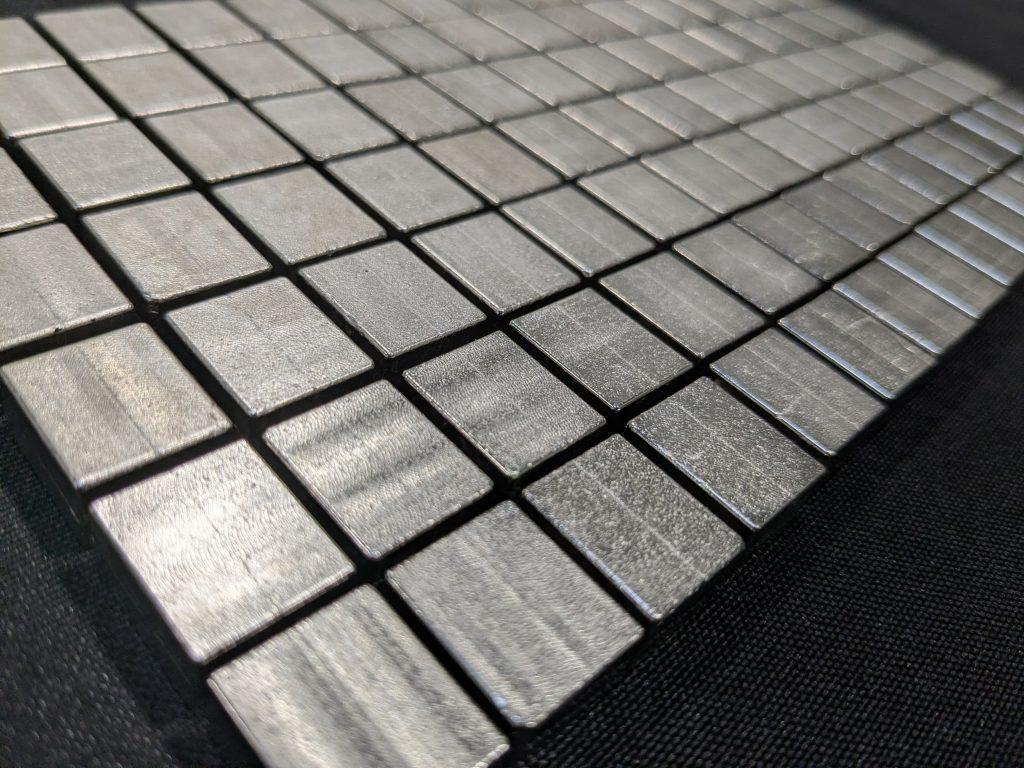
Overseas announcementIron-nitride magnets offer another route away from rare earths in electric motors. Niron's new US factory remains a future project, with no NZ vehicle application announced.
CarWatch Admin ·
News
Volkswagen’s 270kW ID. Polo GTI Clubsport is a concept with a clever motor swap
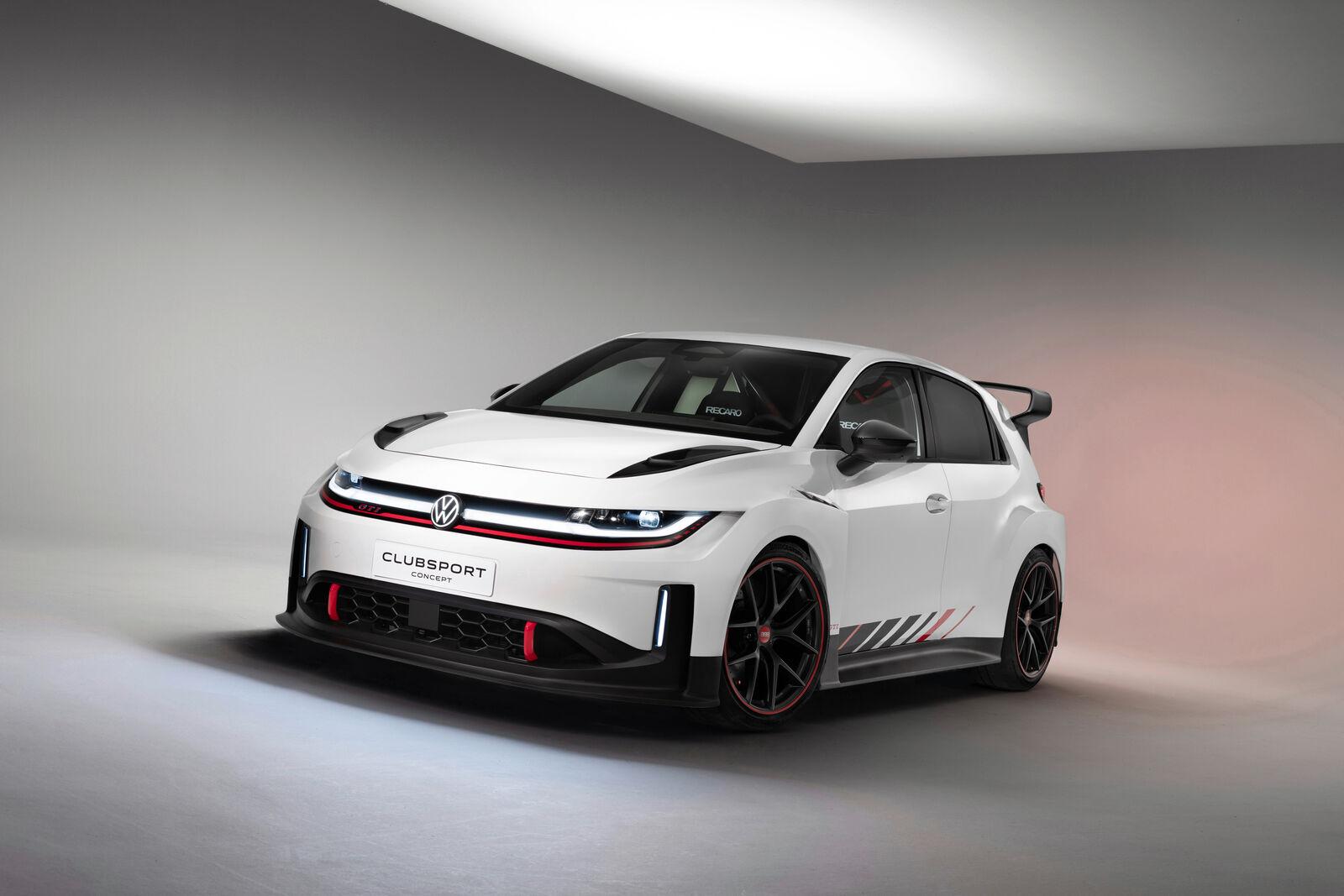
Overseas announcementVolkswagen’s electric GTI show car puts the APP550 motor up front and pairs it with a reworked 52kWh battery system. Production and NZ availability are unconfirmed.
CarWatch Admin ·
Explainer
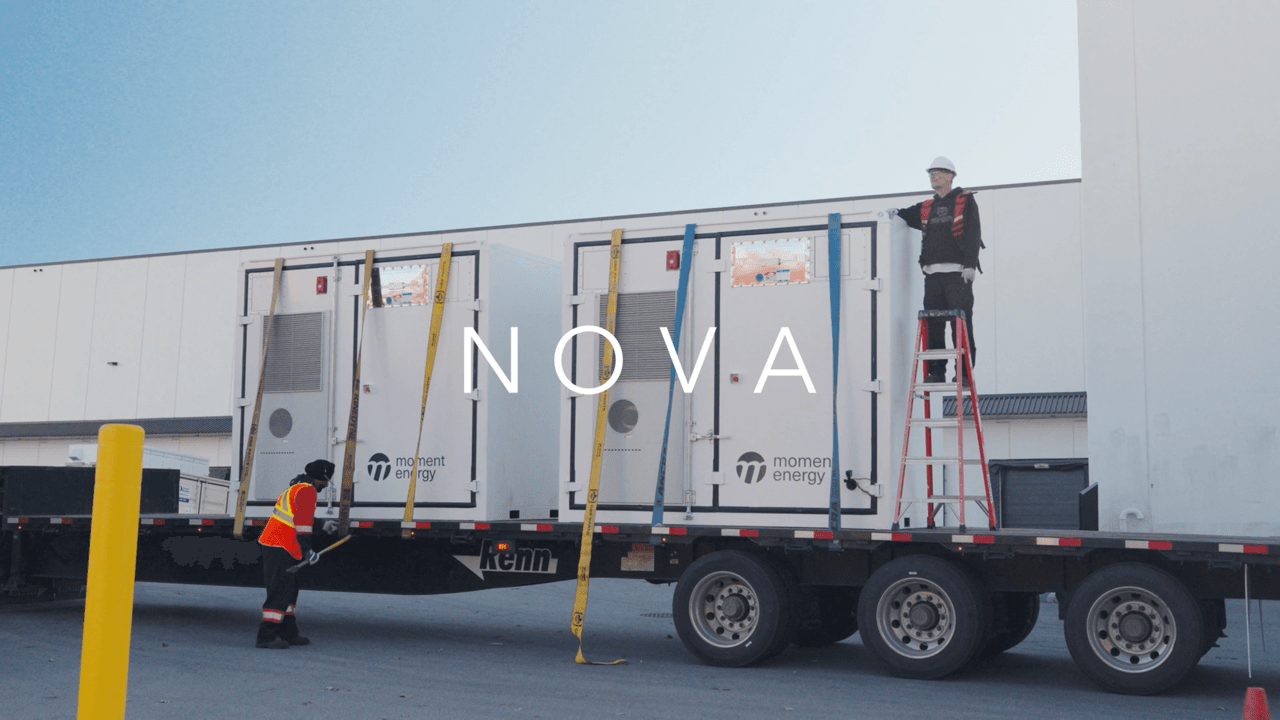
Nova gives retired EV batteries a second job powering buildings
Overseas announcementMoment Energy’s new commercial storage system repurposes suitable EV packs, with North American deliveries planned for early 2027. NZ availability remains unconfirmed.
CarWatch Admin ·