
Addionics tackles battery ageing by changing the metal inside the cell
New laboratory results put porous current collectors in the spotlight, with implications for future EV battery development.
A battery breakthrough can begin with a surprisingly ordinary part: the metal that carries current inside a cell.
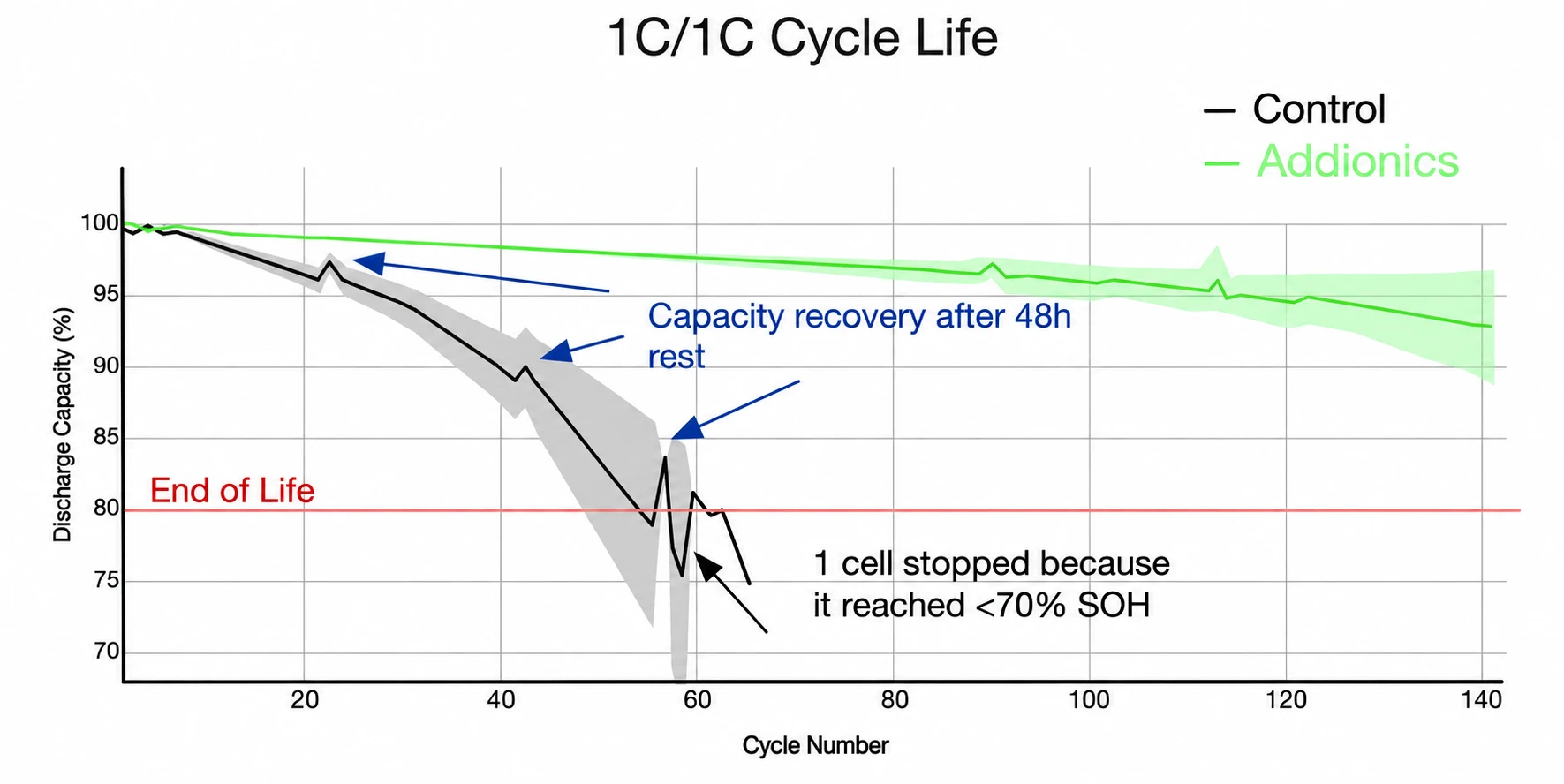
Addionics has reported new laboratory results for a porous version of that metal structure. In a case study published on 18 November, it says cells with its current collectors reached about 3.5 times as many cycles as reference cells before falling to 80 per cent state of health.
That is a promising cell-test result, rather than evidence that a future electric car will last 3.5 times as long.
Giving the electrolyte a shorter route
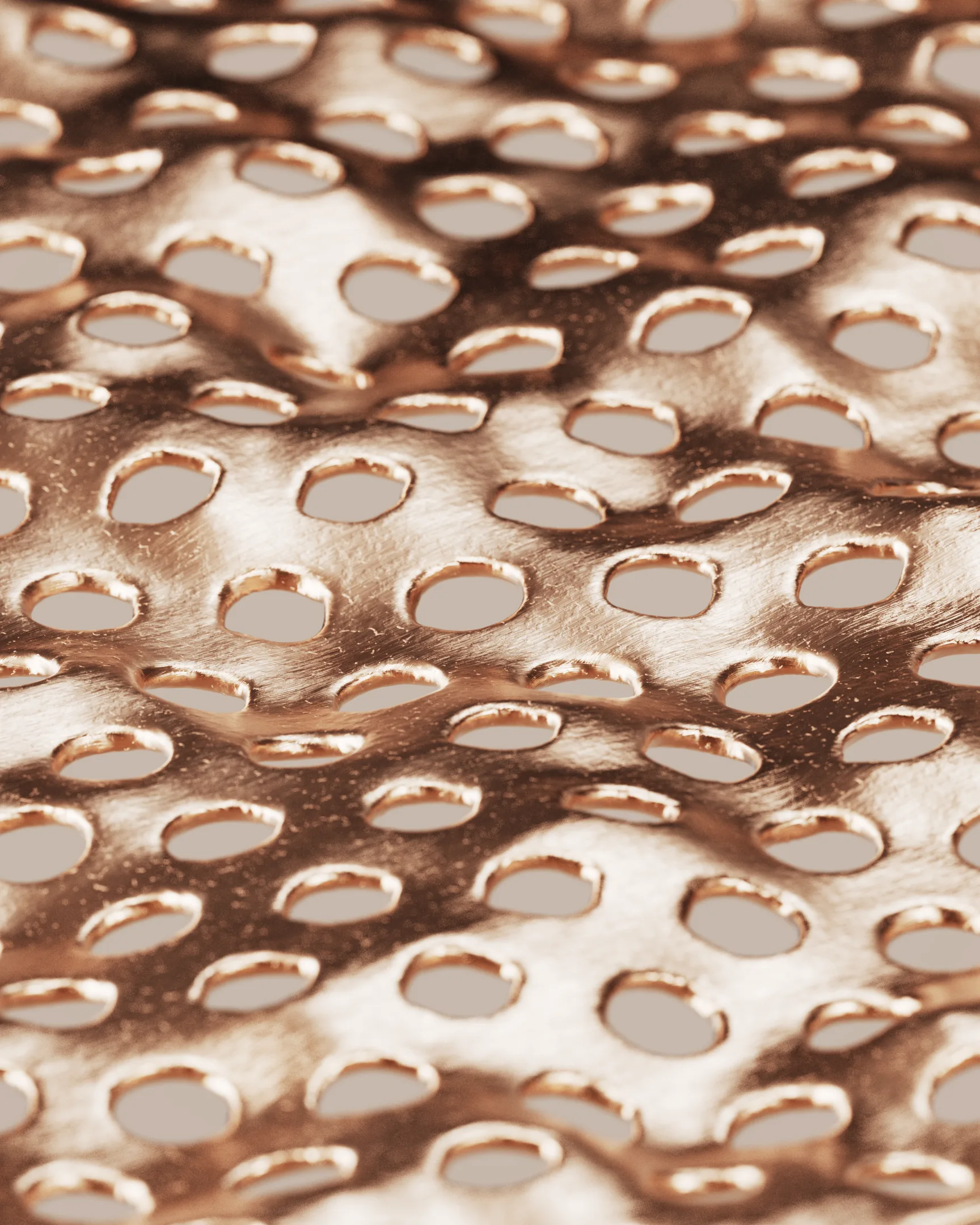
A current collector is the conducting structure associated with a battery electrode. Conventional collectors are flat metal foils. Addionics' approach replaces those foils with porous copper and aluminium structures that let electrolyte and ions travel through the collector.
Think of the difference between taking a long detour around a barrier and being able to pass through it. The aim is to shorten the paths inside the cell and help its contents remain more evenly distributed as it works.
This changes the cell's internal architecture. It does not require the headline story to be a switch from one battery chemistry to another.
Addionics says its structure can also improve electrical contact and support thicker electrodes. Those are design opportunities, rather than a guarantee of a particular charging speed or range in a car. Each finished cell and battery pack would still need its own specifications.
Why moving liquid can cause trouble
The research background is a mechanism called electrolyte motion induced salt inhomogeneity, or EMSI.
A 2024 paper in Energy & Environmental Science, by researchers affiliated with BMW and the University of Agder, examined larger prototype cylindrical cells. It found that electrode expansion and contraction could move electrolyte, leaving salt unevenly distributed along the wound layers inside the cell.
That unevenness can increase resistance, reduce accessible capacity and eventually cause localised lithium plating. It is one mechanism of deterioration, rather than a complete explanation of battery ageing.
The Addionics design aims to give the liquid and salt shorter redistribution routes through the layers.
What the new test establishes
Avrion Battery Labs fabricated 2.7Ah 18650 cells using NMC811 cathodes and graphite anodes. Testing used 1C charging and discharging at 25°C, with 48-hour rests every 20 cycles.
Addionics says the results are consistent with reduced salt-concentration gradients. Direct measurements of salt distribution are still planned. The earlier academic paper therefore explains the mechanism; it is not independent validation of this new collector's performance.
The NZ buying question
For a New Zealand buyer, this is a technology to follow rather than a reason to assign a longer lifespan to a car on sale today. The announcement identifies no NZ-market vehicle using the tested cells and supplies no local price or arrival date.
The useful next step would be evidence from an identified automotive cell and pack, with the operating conditions and durability results made clear. A laboratory cycle comparison cannot, on its own, be converted into years of ownership or kilometres on New Zealand roads.
What makes this development interesting is the part it changes. Battery progress can come from improving the routes through an existing cell, as well as changing the materials that store its energy.
Explainer · Spotted an error? Tell us. Read our editorial policy.
Related stories
Explainer
Niron’s US$1.8b factory plan puts rare-earth-free EV magnets in focus
Overseas announcementIron-nitride magnets offer another route away from rare earths in electric motors. Niron's new US factory remains a future project, with no NZ vehicle application announced.
CarWatch Admin ·
News
Japan shipping pause complicates used EV imports for 2027, with Leaf exception
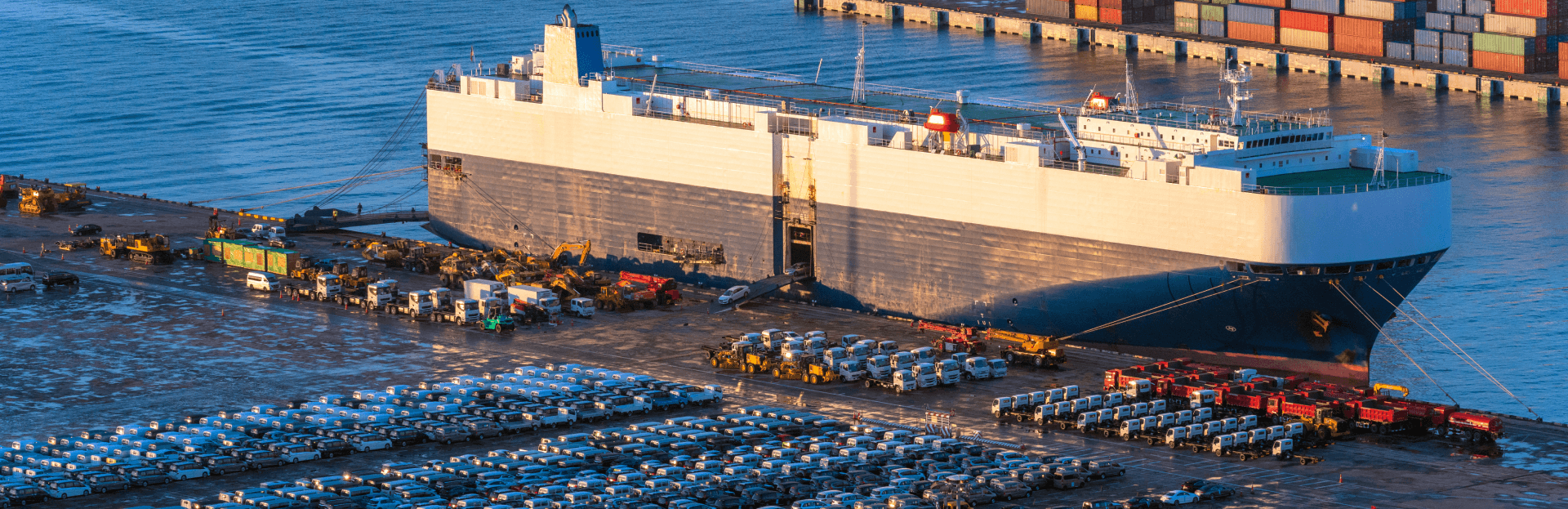
NCC says Wallenius Wilhelmsen’s year-long Japan-to-Oceania pause leaves container shipping as its current option for used BEVs other than the Nissan Leaf. Extra costs remain vehicle-specific.
CarWatch Admin ·

News
Volkswagen’s 270kW ID. Polo GTI Clubsport is a concept with a clever motor swap
Overseas announcementVolkswagen’s electric GTI show car puts the APP550 motor up front and pairs it with a reworked 52kWh battery system. Production and NZ availability are unconfirmed.
CarWatch Admin ·
Explainer
Nova gives retired EV batteries a second job powering buildings
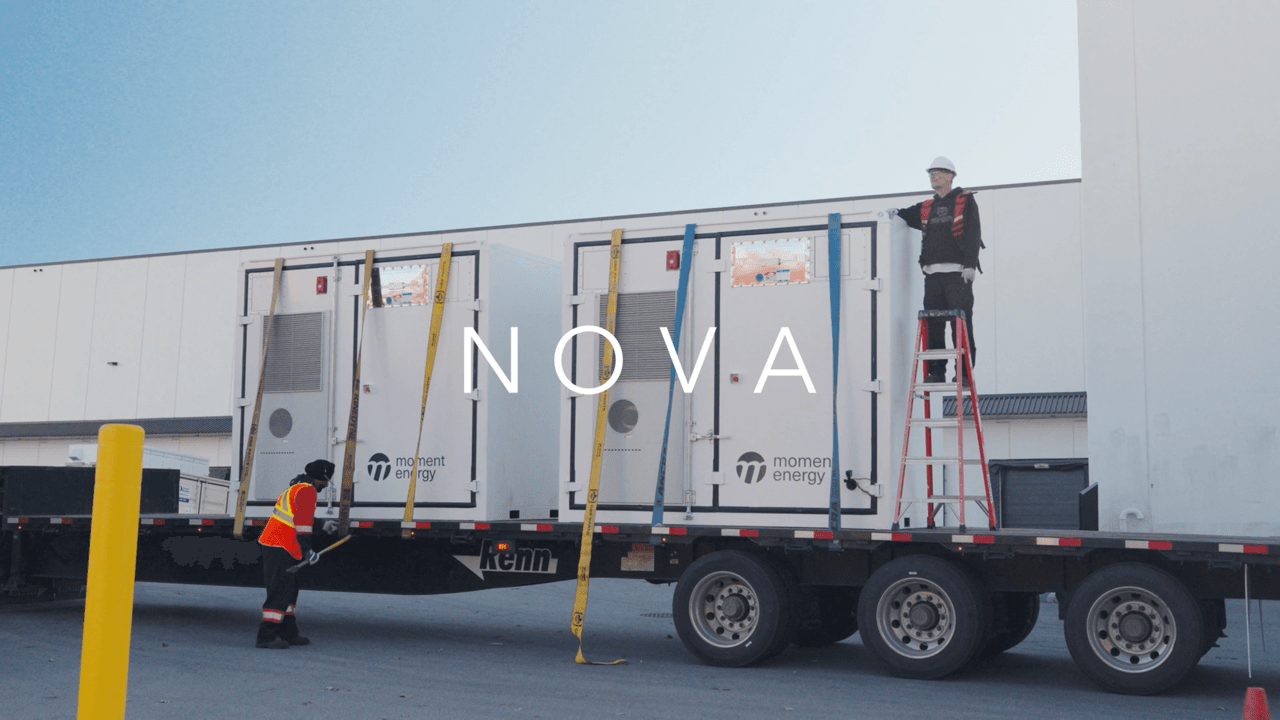
Overseas announcementMoment Energy’s new commercial storage system repurposes suitable EV packs, with North American deliveries planned for early 2027. NZ availability remains unconfirmed.
CarWatch Admin ·