
Volkswagen’s 270kW ID. Polo GTI Clubsport is a concept with a clever motor swap
Volkswagen’s electric GTI show car puts the APP550 motor up front and pairs it with a reworked 52kWh battery system. Production and NZ availability are unconfirmed.
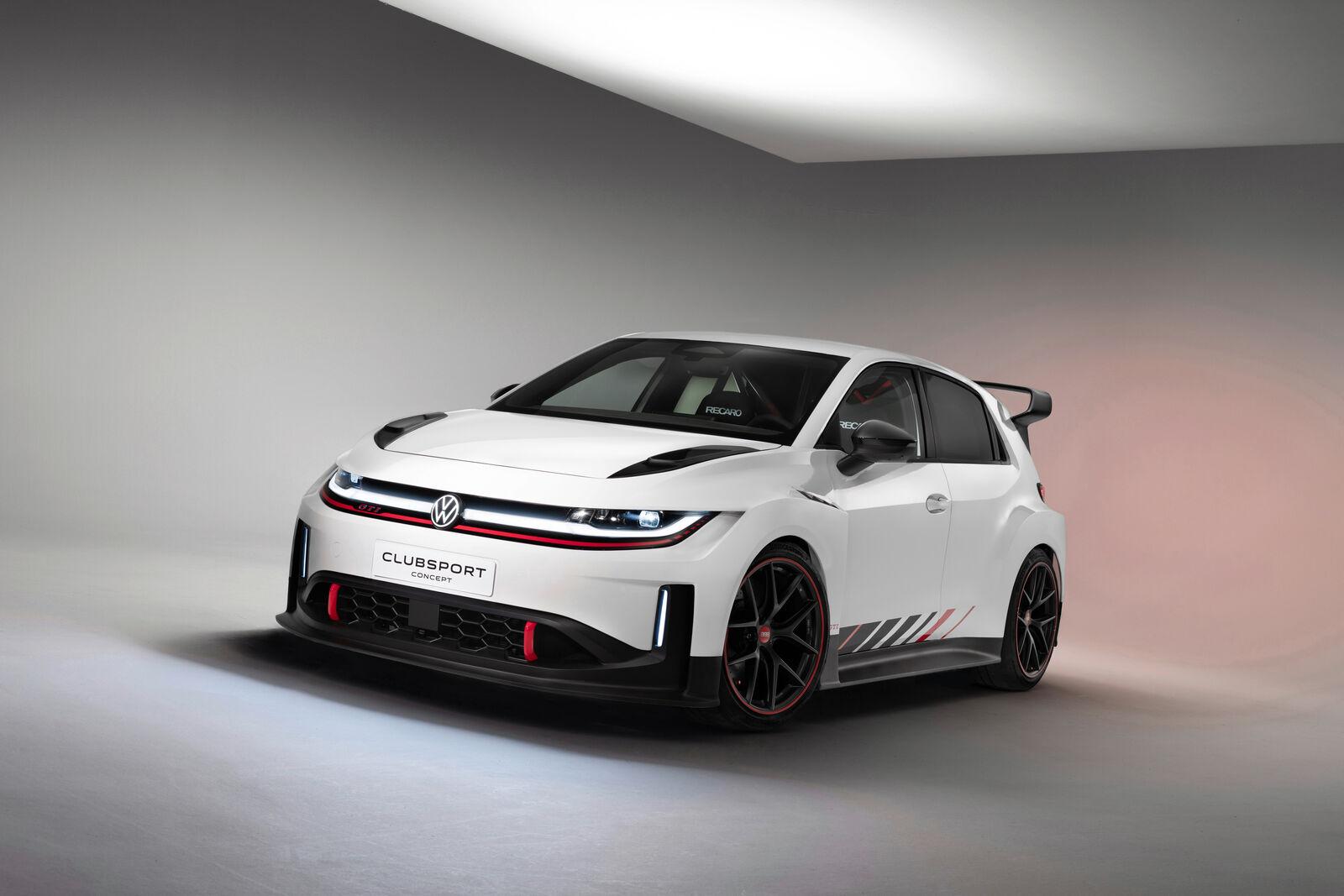
Volkswagen has put a motor normally found at the back of a larger electric car into the front of a much smaller one. The result is the ID. Polo GTI Clubsport Concept, a 270kW reminder that the electric hot hatch can still have a mischievous side.
Revealed on 20 November, the two-door show car celebrates 50 years of GTI. Volkswagen quotes 0 to 100km/h in 4.7 seconds and a 240km/h top speed.
Those are manufacturer figures for a one-off concept. There is no confirmed production programme, price or New Zealand launch for the Clubsport.
It is due to appear at Germany’s Essen Motor Show, running from 27 November to 6 December, with an appearance that makes its track intentions hard to miss.
A familiar motor in an unfamiliar place
The drive-system explanation identifies the APP550 unit, normally used at the rear of larger Volkswagen models.
Here it drives the front wheels. Volkswagen had to package it into the smaller Polo and combine it with an electronically controlled front differential lock.
The concept delivers 550Nm, compared with 290Nm in the production ID. Polo GTI used as its starting point. Its 270kW output is also 104kW higher than that car’s 166kW.
The interesting part is the engineering reuse. A motor developed for one end of a larger car has become the centrepiece of a front-drive performance hatch. That does not make it a simple bolt-in upgrade for an owner’s road car.
The battery needs to keep up
Volkswagen’s battery technical notes specify a 52kWh net lithium-ion battery using nickel-manganese-cobalt cells and cell-to-pack construction.
The company has altered the battery controls and expanded the operating charge window compared with the production model. It says the system can briefly supply up to 290kW, while a more powerful heat exchanger helps manage temperature.
That 290kW figure describes power supplied by the battery for short periods. It is separate from the car’s quoted 270kW drive output and its maximum 105kW DC charging rate.
The distinction matters: energy storage, peak discharge and charging speed are different parts of a performance EV’s specification. A bigger motor alone does not describe how the whole car will behave through repeated laps.
A GTI with different priorities
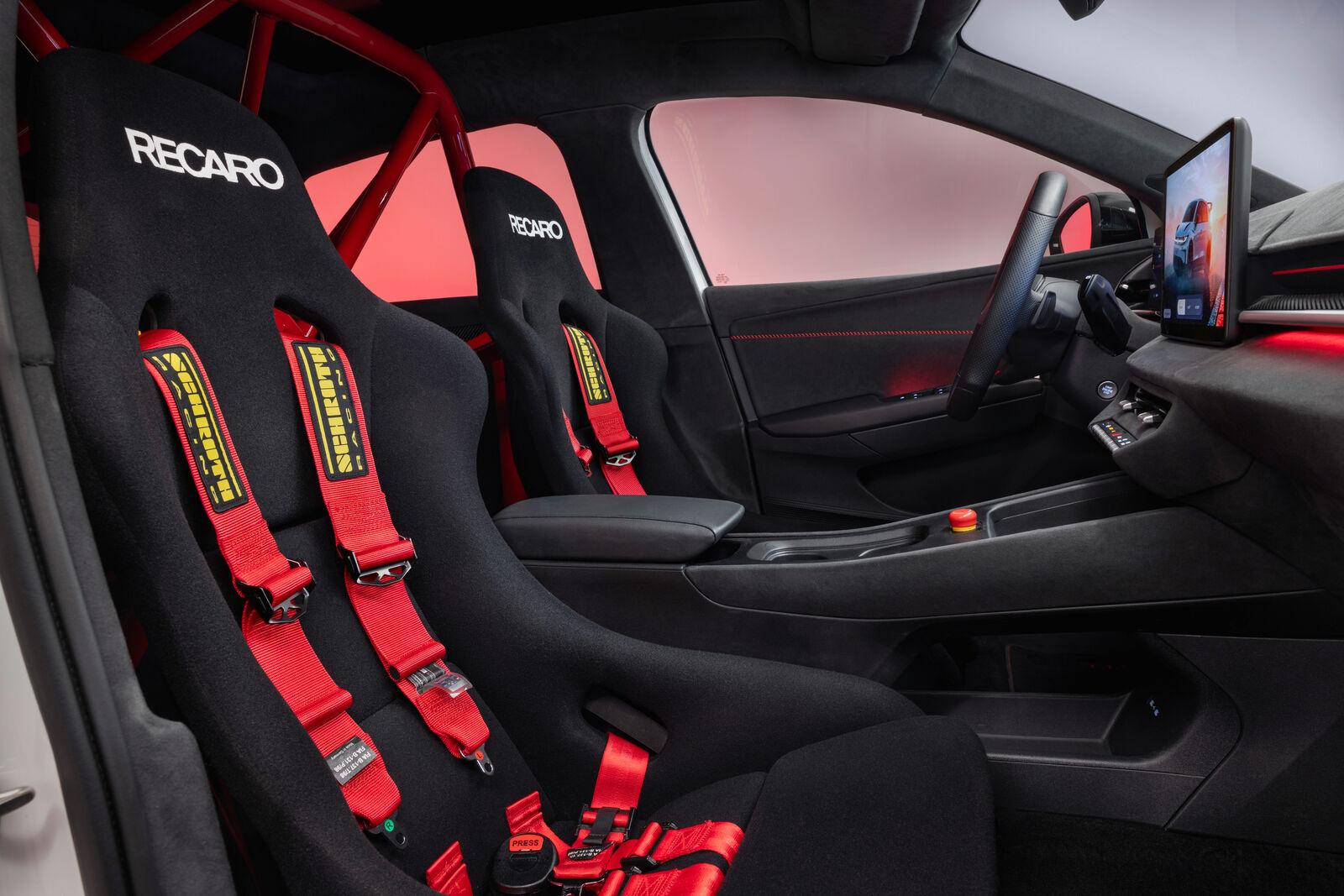
The concept trades everyday practicality for a more focused cabin. Volkswagen’s interior description lists Recaro racing buckets, five-point harnesses and a red protective bar behind the front seats. The rear seats have been removed.
Outside, each wheel arch is extended by 50mm, with a large front splitter, diffuser and carbon-fibre rear wing. Ceramic brakes and adaptive chassis control form part of the track-oriented package.
For Kiwi enthusiasts, this is a glimpse of what Volkswagen can build from its electric components, rather than a car to budget for. The meaningful next step would be a production commitment. Until then, the Clubsport is an intriguing demonstration of how the GTI formula might stretch beyond the road-going model.
News · Spotted an error? Tell us. Read our editorial policy.
Related stories

Explainer
Addionics tackles battery ageing by changing the metal inside the cell
Overseas announcementNew laboratory results put porous current collectors in the spotlight, with implications for future EV battery development.
CarWatch Admin ·
Explainer
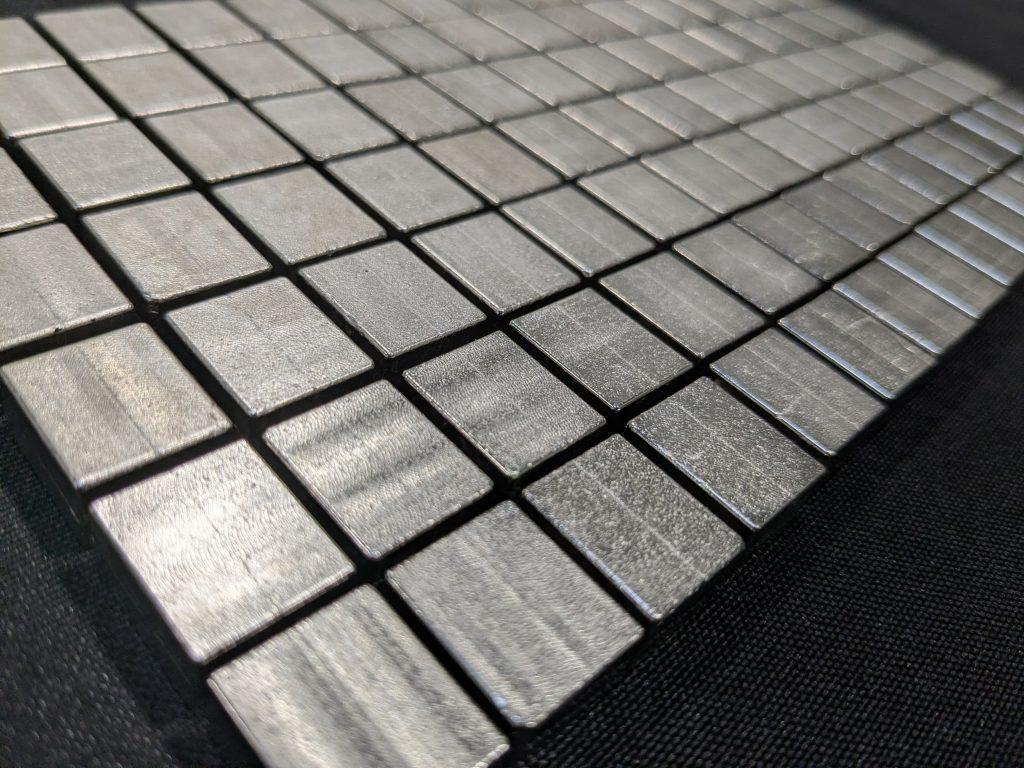
Niron’s US$1.8b factory plan puts rare-earth-free EV magnets in focus
Overseas announcementIron-nitride magnets offer another route away from rare earths in electric motors. Niron's new US factory remains a future project, with no NZ vehicle application announced.
CarWatch Admin ·
News
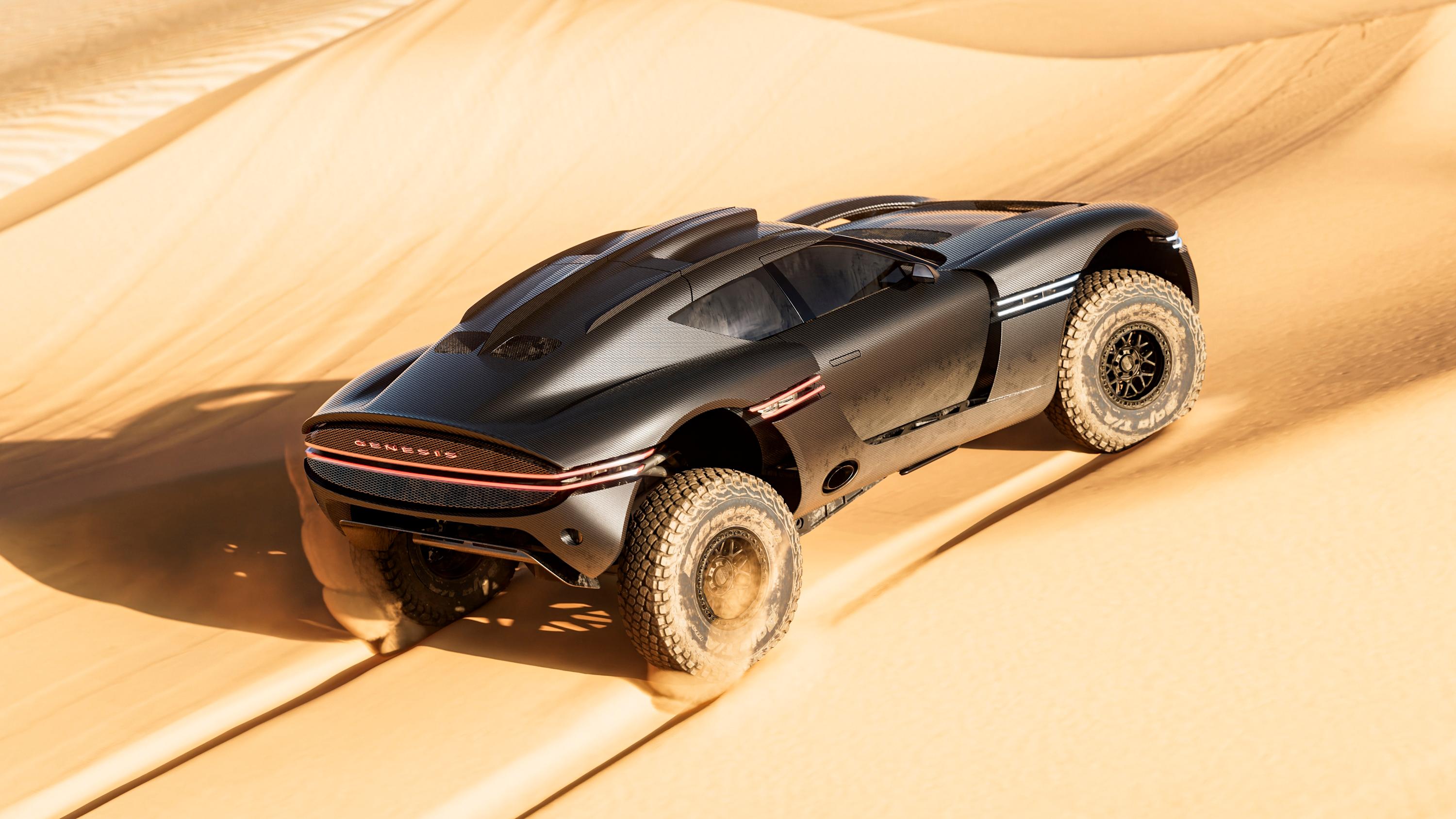
Genesis explores a production future for its 820kW X Skorpio concept
UnconfirmedFresh reports point to interest in building the extreme desert machine. Its V8 power, giant tyres and specialist structure remain concept details, with no NZ launch confirmed.
CarWatch Admin ·

News
Japan shipping pause complicates used EV imports for 2027, with Leaf exception
NCC says Wallenius Wilhelmsen’s year-long Japan-to-Oceania pause leaves container shipping as its current option for used BEVs other than the Nissan Leaf. Extra costs remain vehicle-specific.
CarWatch Admin ·