
Chinese cars are good news for Kiwi buyers, even if you never buy one
Chinese brands are expanding NZ’s choice of electric, hybrid and conventional cars. Their biggest benefit may be the pressure they put on every rival to offer buyers more for their money.
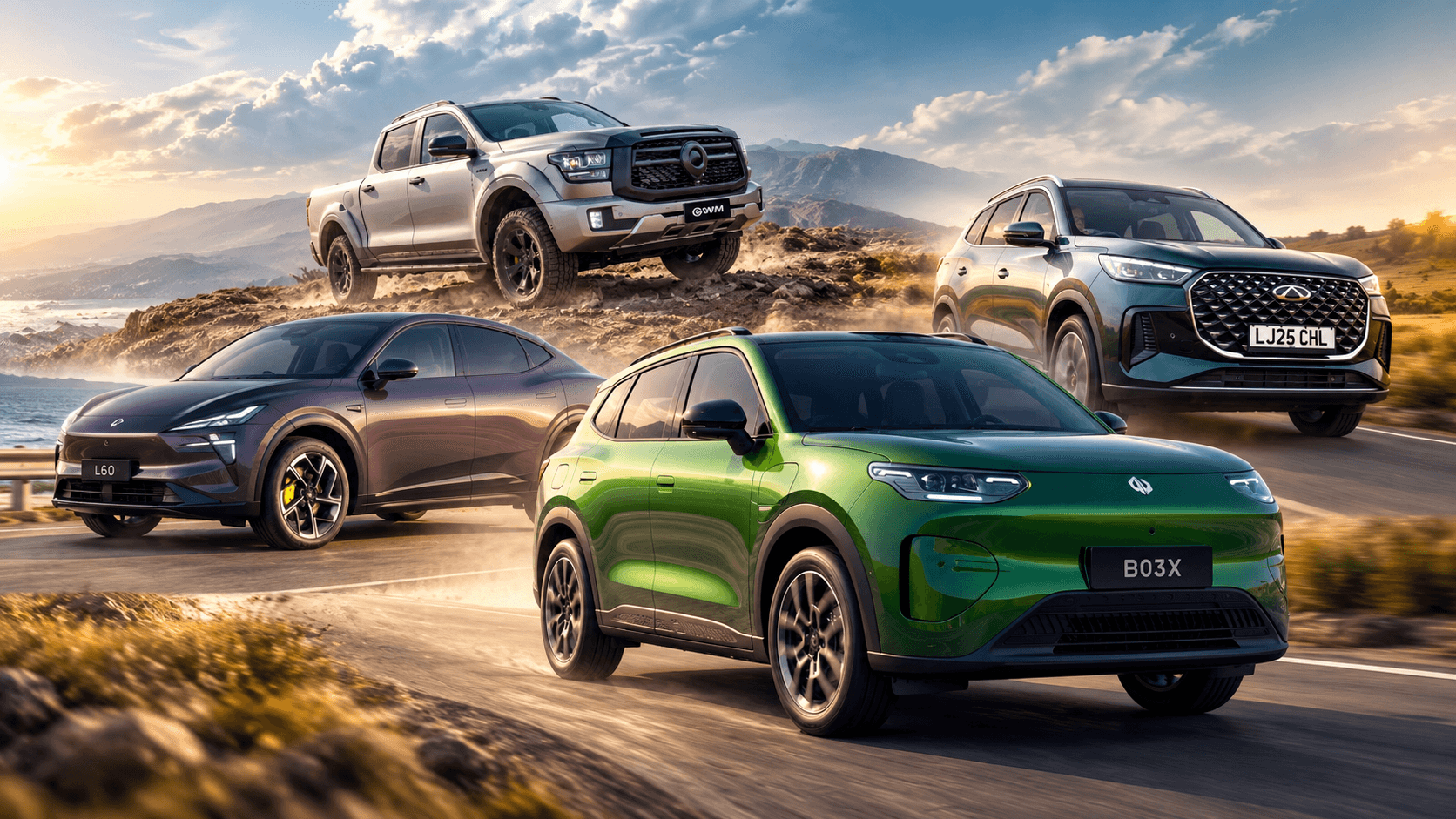
When a new car brand arrives in New Zealand, the first question is often whether you would buy one. That is too narrow a test. A new competitor can be good news for buyers who never set foot in its showroom, because it gives the rest of the market another reason to sharpen its prices, equipment and service.
That is the most useful way to look at the wave of Chinese car brands now reaching New Zealand: not as a national contest, and not as a promise that every new badge is a bargain, but as a welcome increase in pressure on a market that has long offered Kiwi buyers a relatively familiar set of choices.
The change is already visible in the numbers. The Motor Trade Association’s vStat analysis of NZTA registrations counted 69 brands selling new light vehicles in the nine months to September 2026, 20 of them headquartered in China. It also found Chinese brands had more than half of New Zealand’s plug-in market in the April-to-September period. Those are registrations, not a prediction of what every buyer wants, but they show that the new entrants are no longer a sideshow.
More choice makes the whole market work harder
For years, a buyer looking for a compact SUV, a family hybrid or an electric runabout might have compared a handful of familiar names and accepted the price ladder that came with them. New brands broaden that shortlist. Some arrive with electric models; others bring hybrids, plug-in hybrids, petrol cars or utes. The point is not that one country has a monopoly on good ideas. It is that more credible options give customers more ways to match a car to their budget and routine.
The effect reaches beyond the showroom of the brand making the offer. When a newcomer puts a big screen, heated seats, a long warranty or a plug-in powertrain into a price bracket where buyers previously expected less, established rivals have to explain their own value. They can improve equipment, revisit pricing, strengthen after-sales support or make a clearer case for the things they already do well. The customer benefits from that contest whether they choose the new badge or the old one.
That matters in New Zealand, where new cars are expensive purchases and buyers keep them for years. A feature that makes daily life easier, or a powertrain that reduces fuel use for a particular driver, is useful only if it comes at a price the household can manage. More competition can help close the gap between the technology buyers are offered and the technology they can realistically afford.
A less binary route to electrification
The electric-car debate is often framed as a jump from petrol straight to a battery electric vehicle. Real households do not all make that jump on the same timetable. Some have easy home charging; others park on the street. Some mostly commute locally; others tow, travel long distances or live where public charging is sparse.
A wider range of battery EVs, conventional hybrids and plug-in hybrids gives buyers more than one way to reduce fuel use. A plug-in hybrid can suit someone who can charge for local trips but wants petrol for longer drives. A conventional hybrid can offer lower fuel consumption without a charging routine. A battery EV can be a compelling choice for drivers whose travel and charging fit. None is automatically right for everyone.
Chinese manufacturers have become particularly significant in the plug-in segment. MTA’s recent analysis says Chinese brands accounted for 56 per cent of new EV registrations and 57 per cent of PHEV registrations over the six months to September 2026. That does not mean most New Zealand vehicles are Chinese, or that every plug-in choice is suitable. It does mean that for many buyers looking at an EV or PHEV, Chinese brands are now part of the mainstream comparison.
It is also worth being precise about what “Chinese car” means. MTA’s market breakdown classifies a brand by where its headquarters are, not by the country where an individual vehicle was assembled. A car built in China is not automatically a Chinese brand, and some Chinese-owned companies operate brands with different histories and identities. Buyers deserve clear comparisons rather than shorthand that blurs those distinctions.
Competition is a benefit, blind faith is not
A positive case for new entrants should not become a blanket endorsement. A sharp launch price and a long list of standard equipment do not answer the questions that matter after the first year of ownership. Can the dealer network service the car conveniently? Are parts available when a crash repair is needed? How long do software updates and technical support continue? What will the warranty actually cover, and what is excluded? How easy will it be to sell the car later?
Those questions apply to every brand, including established ones. They may matter more when a brand is new to New Zealand, because buyers have less local history to draw on. A good test drive, a careful warranty comparison and a frank conversation with the dealer about parts and servicing are still essential. Safety should be checked model by model, using the rating and specification for the exact version being considered.
The AA has made a similar point: new Chinese brands are bringing value and equipment competition, while buyers should look closely at parts supply and the strength of the local dealer network. That is not an argument against buying one. It is a reminder that confidence is built through support as well as a good first impression.
The real winner is the buyer with a choice
Some of these brands will establish themselves; others may struggle to find enough customers or build lasting support. The market will sort that out over time. In the meantime, competition gives Kiwi buyers more leverage and gives every manufacturer a reason to pay attention to what people here actually need.
The best outcome is not that Chinese brands replace Japanese, Korean, European or American ones. It is that no manufacturer can assume customers will accept yesterday’s price, equipment or powertrain simply because a familiar badge is on the bonnet. If new entrants keep the pressure on and back their cars with dependable local support, even the buyer who never chooses one can still benefit.
Opinion · Spotted an error? Tell us. Read our editorial policy.
Related stories
Explainer
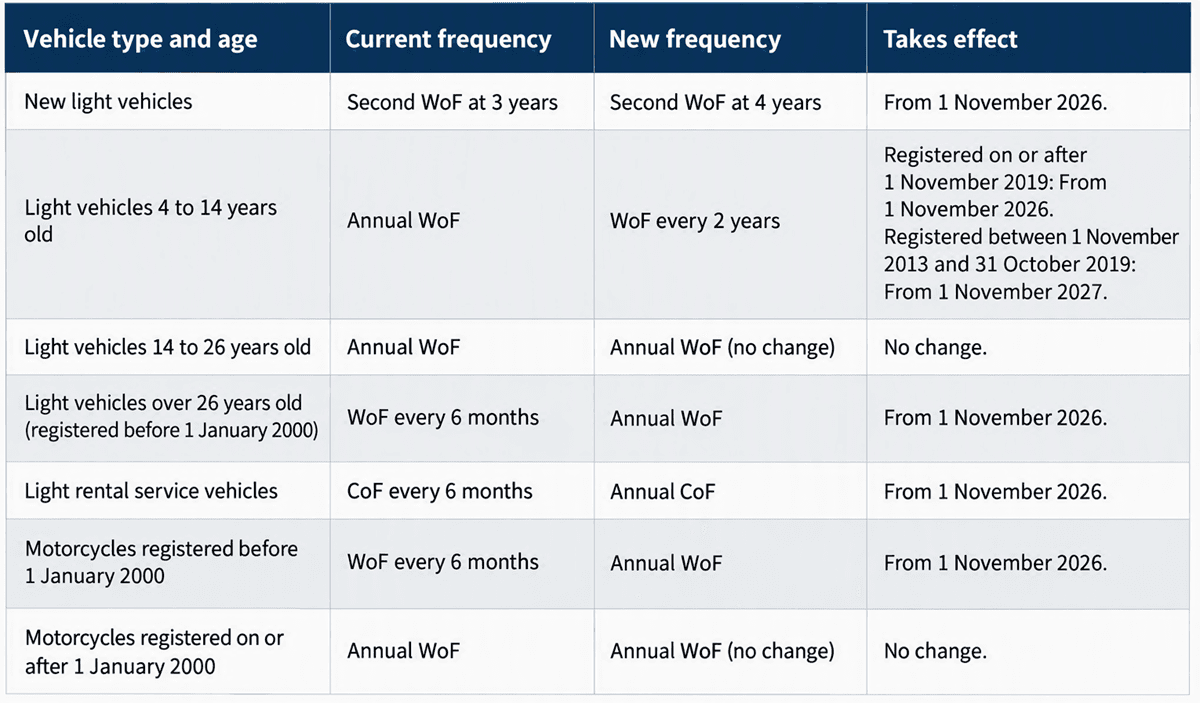
WoF changes from November: who will get longer between inspections?
Changes to New Zealand’s WoF rules start on 1 November 2026, but the new inspection intervals will be phased according to a vehicle’s age and first-registration date.
CarWatch Admin ·
News
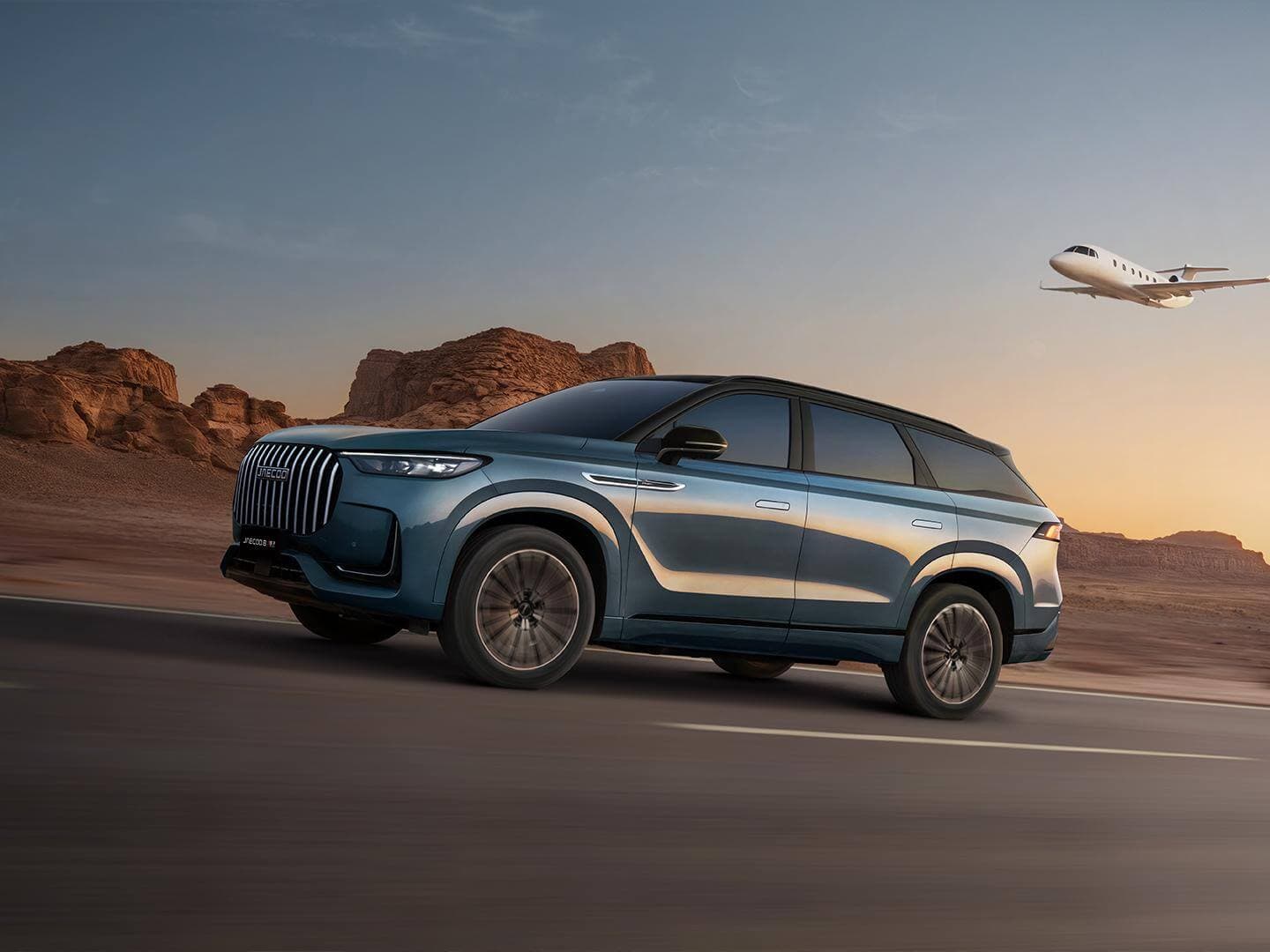
Jaecoo J8 Super Hybrid pre-orders open from $68,990
Confirmed for NZA New Zealand dealer is taking pre-orders for the seven-seat Jaecoo J8 SHS-P Summit AWD at $68,990 plus on-road costs, ahead of final local availability details.
CarWatch Admin ·
News
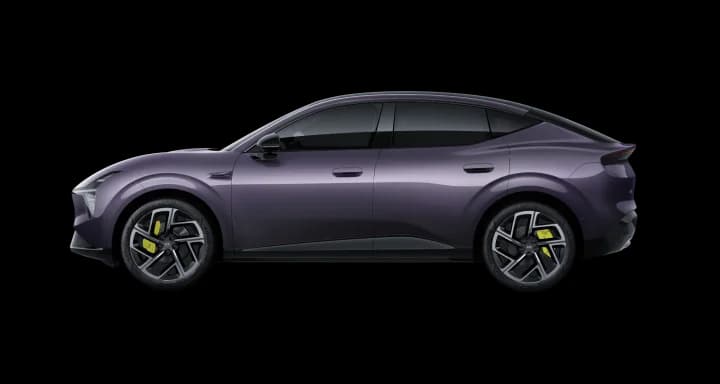
XPeng L03 priced from $49,990 in New Zealand, including range-extender
Confirmed for NZXPeng has set New Zealand pricing for its L03 coupe SUV, with a battery-electric entry model and a range-extender version both opening at $49,990.
CarWatch Admin ·
News
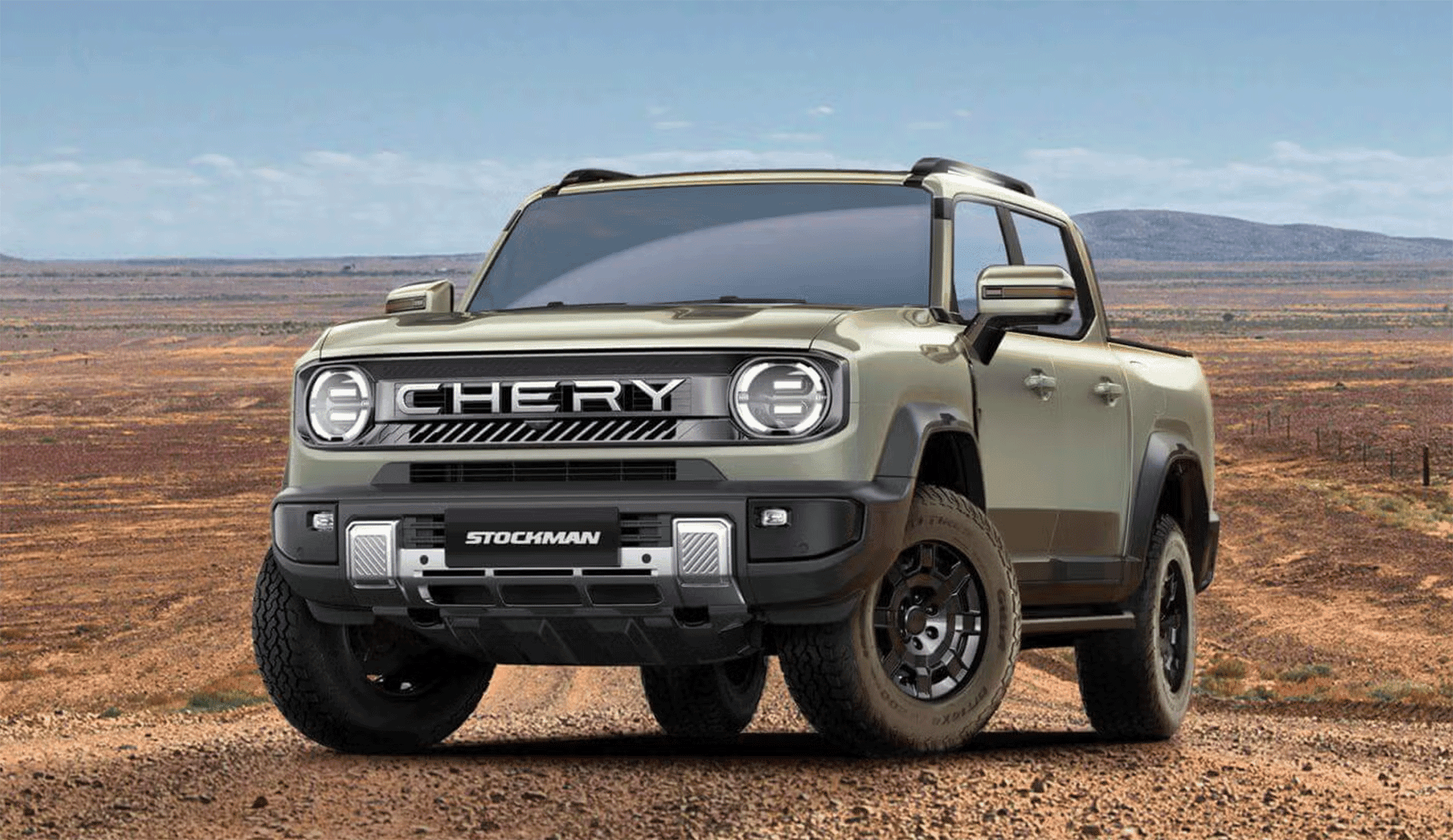
Chery Stockman ute now due in New Zealand in early 2027
Expected in NZChery expects its diesel plug-in hybrid ute in New Zealand in Q1 2027; local price and final specifications remain unconfirmed.
CarWatch Admin ·