
VW and Elli put a price on two-way charging in Germany
A December V2G launch pairs a €1,995 charger with conditional connection payments. The package is not confirmed for NZ.
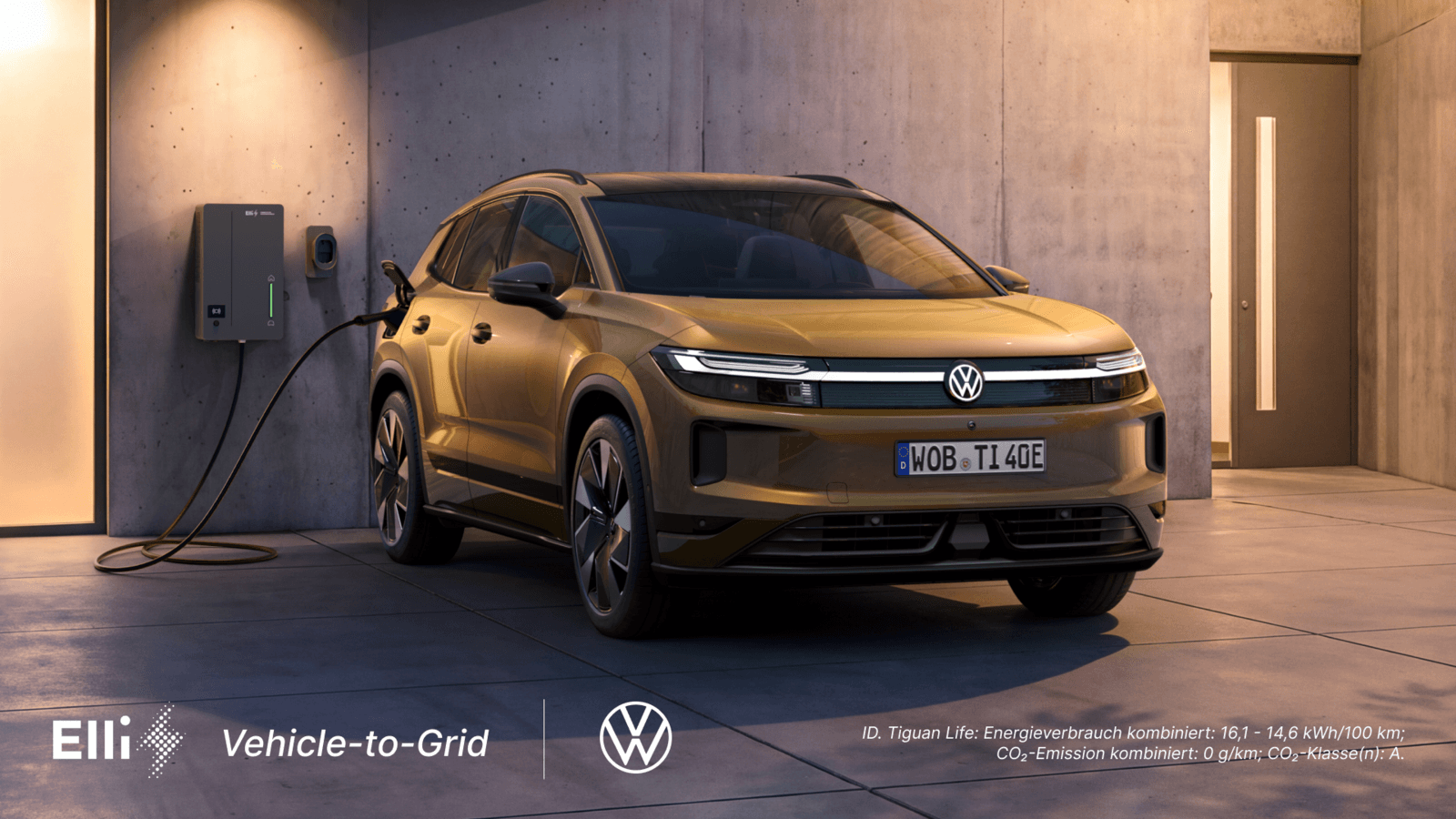
An EV sitting in the driveway is a sizeable store of energy. Volkswagen and its energy subsidiary Elli now have a more concrete plan for paying some owners to keep that battery connected.
Their 24 November announcement schedules a German vehicle-to-grid launch for December 2026. It is an overseas commercial package, not a New Zealand offer.
What the German price buys
The Elli BiDi Charger costs €1,995 including German VAT and shipping; installation is quoted separately. The bidirectional DC unit offers up to 11kW charging.
Eligible connections earn €0.24 an hour, capped at €60 a month or €720 in the first contract year. Reaching the maximum requires 250 connected hours a month, and each qualifying session must last at least three hours.
That is a payment for qualifying connection time. It should not be presented as guaranteed savings for every driver, or confused with a guaranteed volume of electricity sold from the battery.
Participation also requires a compatible vehicle and smart meter, a site pre-check and the relevant electricity tariffs. These conditions matter as much as the wallbox price.
The technology is only part of the product
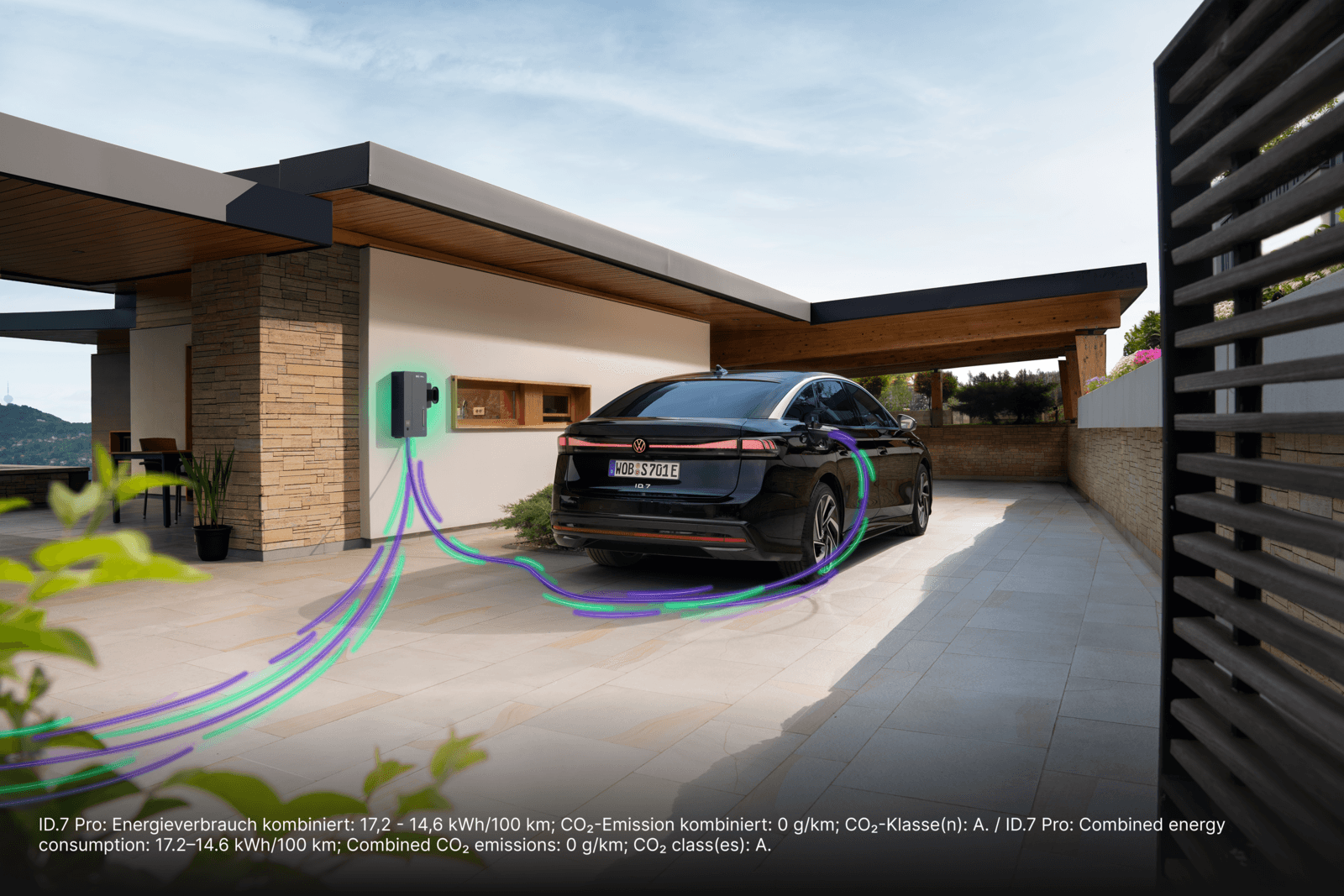
Vehicle-to-grid, or V2G, allows stored electricity to travel from the car back into the wider electricity system. It gives an energy service access to a resource that would otherwise sit idle while the vehicle is parked.
The useful comparison is with an ordinary charging schedule. Smart one-way charging can move electricity consumption to a quieter period. Two-way charging adds the ability to send energy back, which introduces another set of decisions: how much energy can be released, when the car needs to be ready and how the owner is rewarded.
That is why a wallbox alone cannot describe the complete service. Hardware moves electricity; the surrounding agreements determine who controls the session and how its value is shared.
Elli’s separate vehicle-to-home offering is planned for 2027. Exporting to the grid and supplying a home are related ideas, but one announcement should not be treated as confirmation of every possible two-way function.
What this means for New Zealand
EECA is testing two-way charging locally, including how vehicles and chargers interact with the electricity system and respond to demand and prices. It describes availability and vehicle compatibility as limited, with standards still developing.
For a Kiwi buyer, the German package is useful evidence of how the technology can be sold as a complete service. Its euro price and connection payments cannot be carried across to a New Zealand ownership calculation.
Any local proposition would need support for the specific vehicle, suitable equipment and installation, plus local electricity arrangements. Until those are confirmed, this is a development to watch rather than income to build into the household budget.
News · Spotted an error? Tell us. Read our editorial policy.
Related stories
News
Hyundai Neira opens Indonesian bookings for a three-row electric family SUV
Overseas announcementThe seven-seat EV pairs 200mm ground clearance with familiar Hyundai cabin technology. New Zealand availability has not been confirmed.
CarWatch Admin ·
News
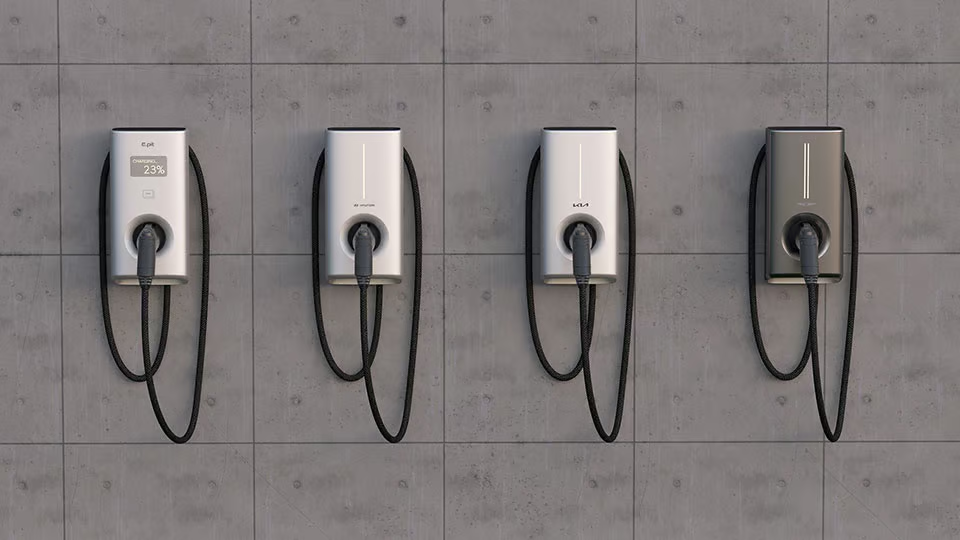
Hyundai’s new AC charger targets the everyday plug-in routine
Overseas announcementA unified charger for Hyundai, Kia and Genesis is planned for Korea in 2027, with NZ availability unconfirmed.
CarWatch Admin ·
News
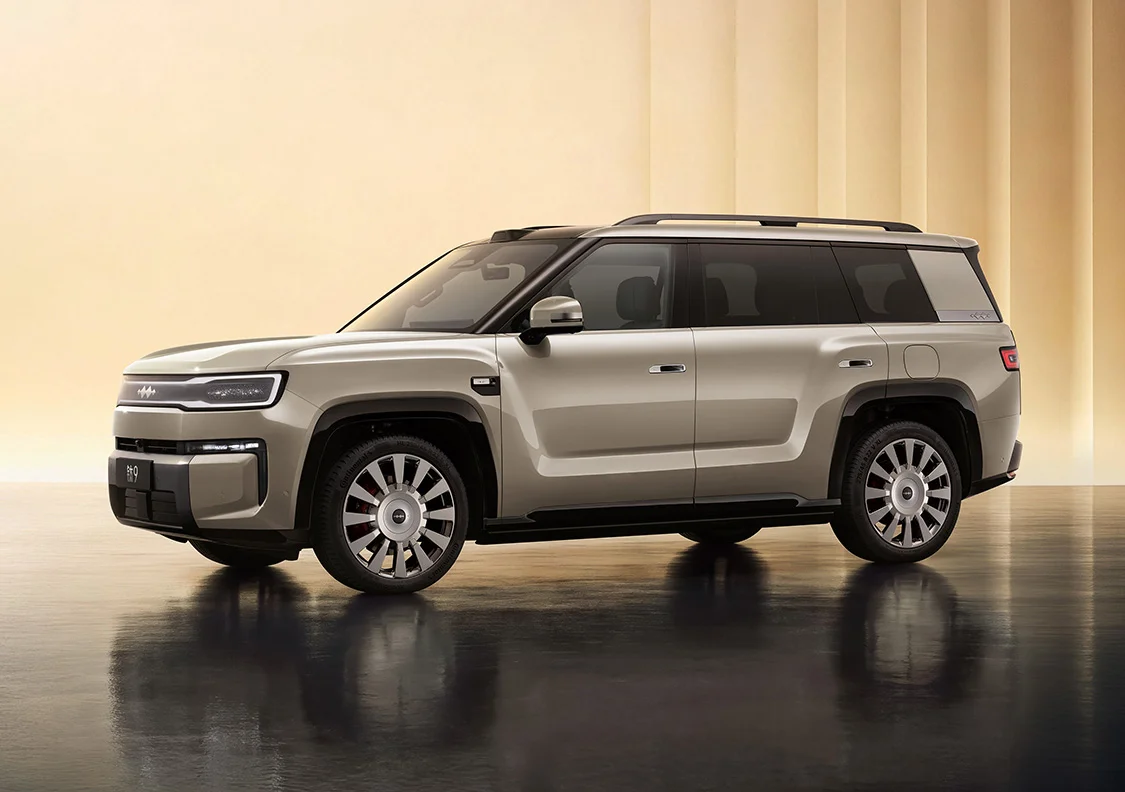
BYD’s Tai 9 puts a folding steering wheel into a production SUV
Overseas announcementThe China-market plug-in hybrid can clear space for its driver to recline while parked. New Zealand availability is unconfirmed.
CarWatch Admin ·
News
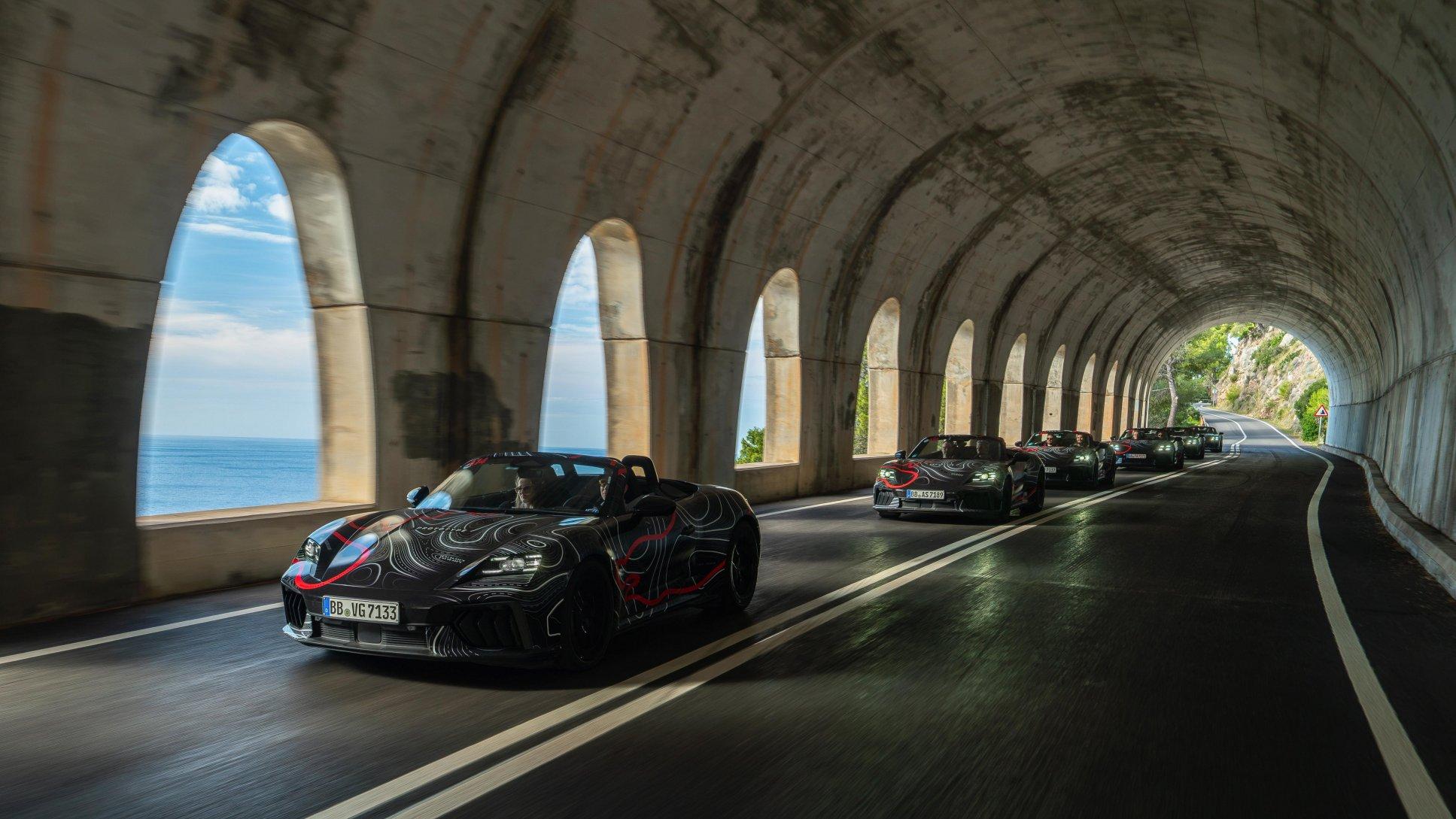
Electric Porsche Boxster puts its battery where the engine used to be
Overseas announcementPorsche’s electric roadster approaches its 2027 unveiling with a central battery and virtual gearshifts.
CarWatch Admin ·