
BYD’s Tai 9 puts a folding steering wheel into a production SUV
The China-market plug-in hybrid can clear space for its driver to recline while parked. New Zealand availability is unconfirmed.
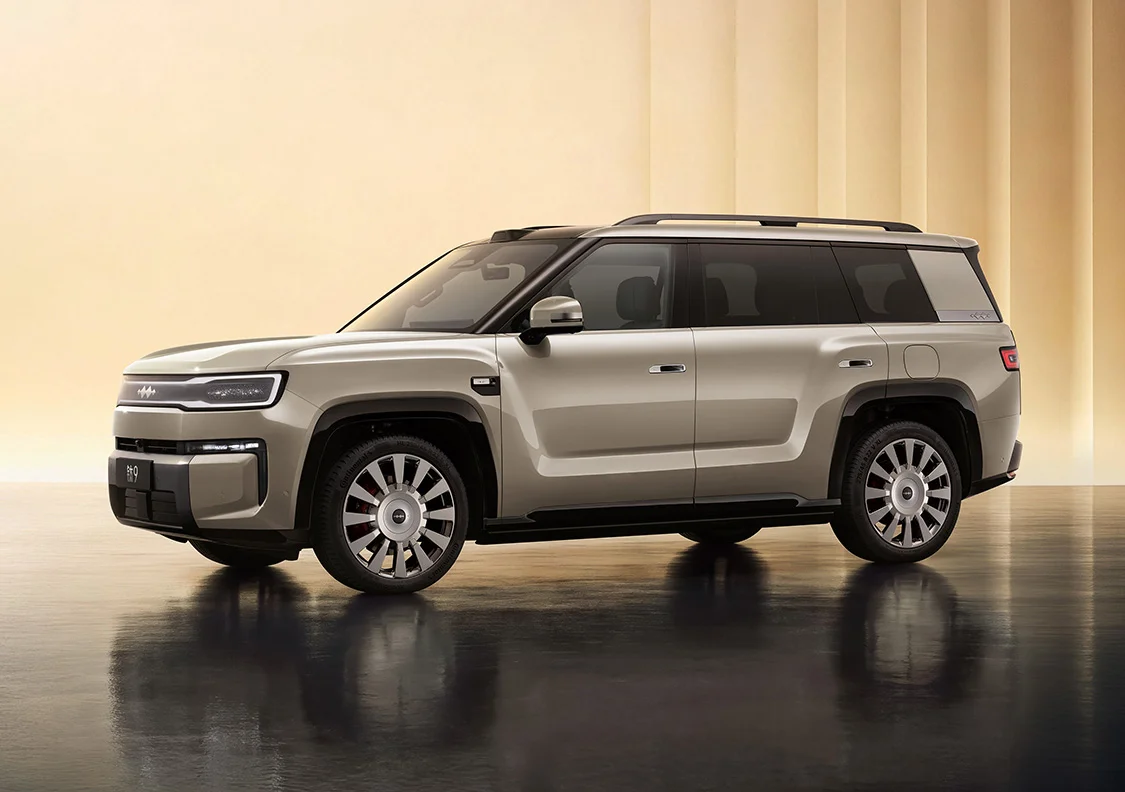
The steering wheel is normally the one piece of a car’s furniture that stays firmly between you and the dashboard. BYD’s Fang Cheng Bao Tai 9 has other ideas.
The large plug-in hybrid SUV, launched in China on 19 November, offers a top-grade cabin in which the wheel folds away and the driver’s seat reclines. It is a production feature, rather than a motor-show promise, although there is no confirmed New Zealand launch.
A lounge, once you have stopped
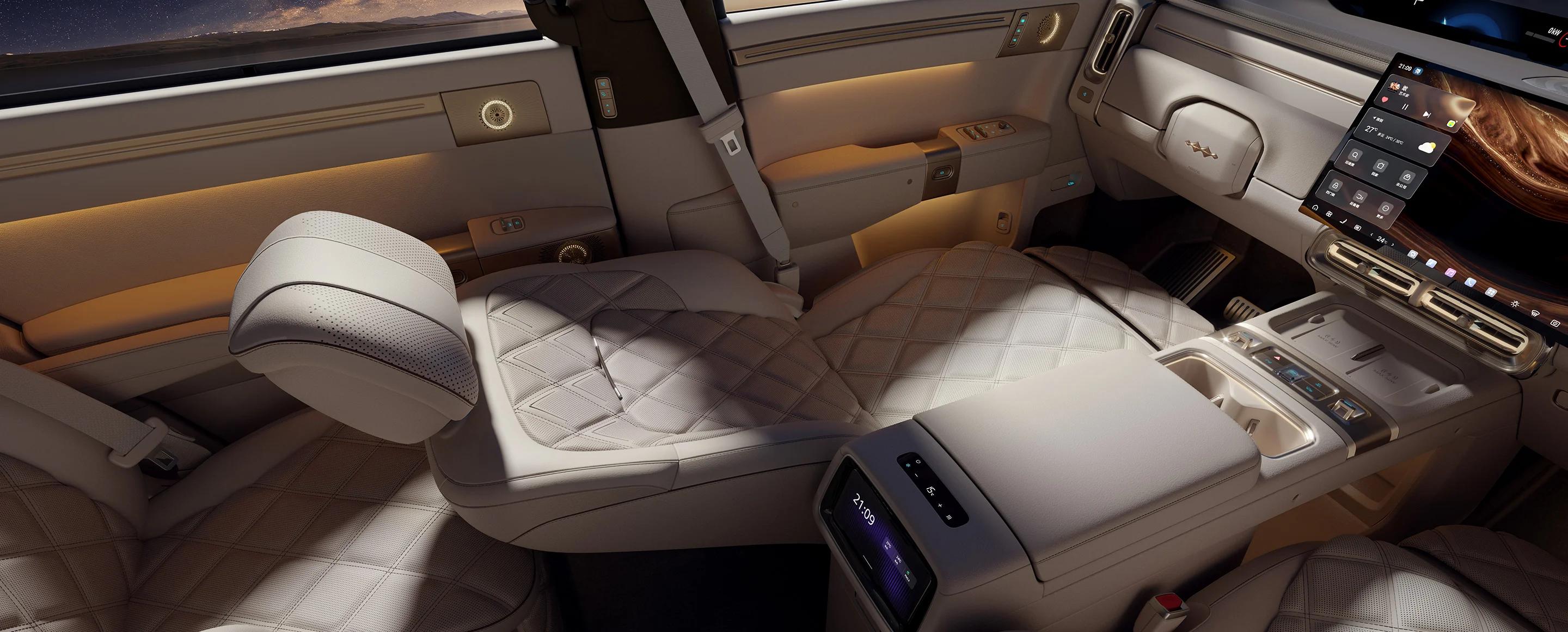
Fang Cheng Bao’s official product page says the folding wheel takes 10 seconds to stow, using a mechanism that moves through up to 180 degrees. The driver’s seat has a one-touch reclining function, taking 20 seconds, with a maximum backrest angle of 165 degrees.
The important boundary is when that transformation happens. Australian reporting from WhichCar says the wheel can only fold when the SUV is stationary. It is for making room during a break, rather than an invitation to put your feet up while travelling.
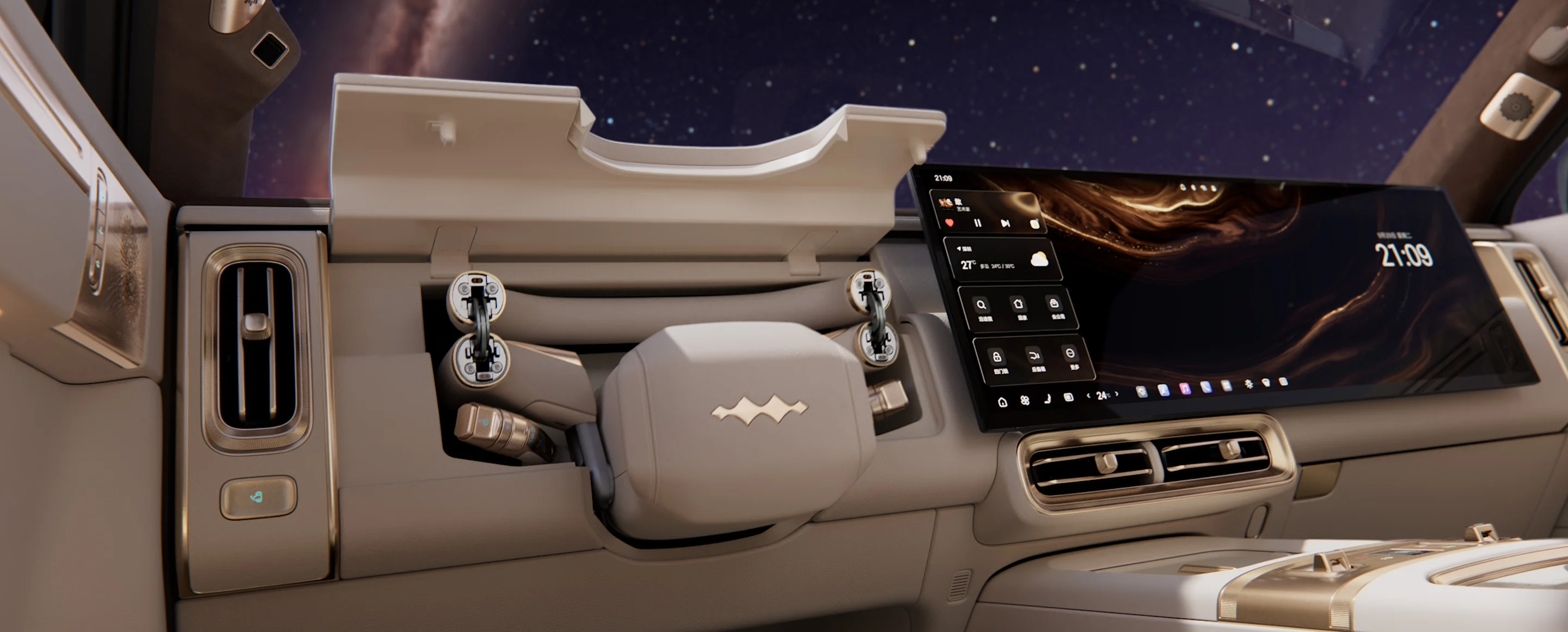
The Tai 9 uses steer-by-wire technology. In broad terms, that means steering inputs are communicated electronically, allowing designers more freedom over how the controls are packaged. The folding mechanism and the steering system do different jobs: one rearranges the cabin, while the other must still translate the driver’s commands into a change of direction.
For buyers, the interesting development is the space that becomes usable when a fixed control moves out of the way. A parked car can become somewhere to rest without asking the driver to climb across to another seat.
There is a substantial hybrid underneath
The manufacturer’s launch announcement describes a six-seat SUV using BYD’s DMS plug-in hybrid platform. A 1.5-litre turbocharged petrol engine is paired with front and rear electric motors, which BYD quotes at a combined 400kW. That figure describes the motors, rather than a separately verified total including the engine.
BYD claims up to 400km of electric range on China’s CLTC test cycle. It should not be read as a New Zealand real-world range forecast or directly compared with a WLTP number.
China-market list pricing starts at RMB279,900. The folding-cabin grade is RMB329,900, according to the product page. These are Chinese prices, not New Zealand retail estimates.
Why watch it from New Zealand?
The Tai 9 is an interesting example of electrification changing the cabin as well as the powertrain. Its most conspicuous innovation concerns what happens after the journey pauses.
The questions for any eventual local version would extend beyond the folding wheel: right-hand-drive packaging, local approvals, equipment, servicing and price would all need confirmation. For now, the Tai 9 gives Kiwi buyers a look at technology already offered in a Chinese production vehicle, without establishing that the same vehicle is coming here.
News · Spotted an error? Tell us. Read our editorial policy.
Related stories

News
Hyundai Neira opens Indonesian bookings for a three-row electric family SUV
Overseas announcementThe seven-seat EV pairs 200mm ground clearance with familiar Hyundai cabin technology. New Zealand availability has not been confirmed.
CarWatch Admin ·
News
Geely Galaxy M8 gives five seats a big SUV and a 53.42kWh battery
Overseas announcementChinese pre-sales have opened for Geely’s large plug-in hybrid, with up to 360km of claimed CLTC electric range. NZ plans remain unconfirmed.
CarWatch Admin ·
News
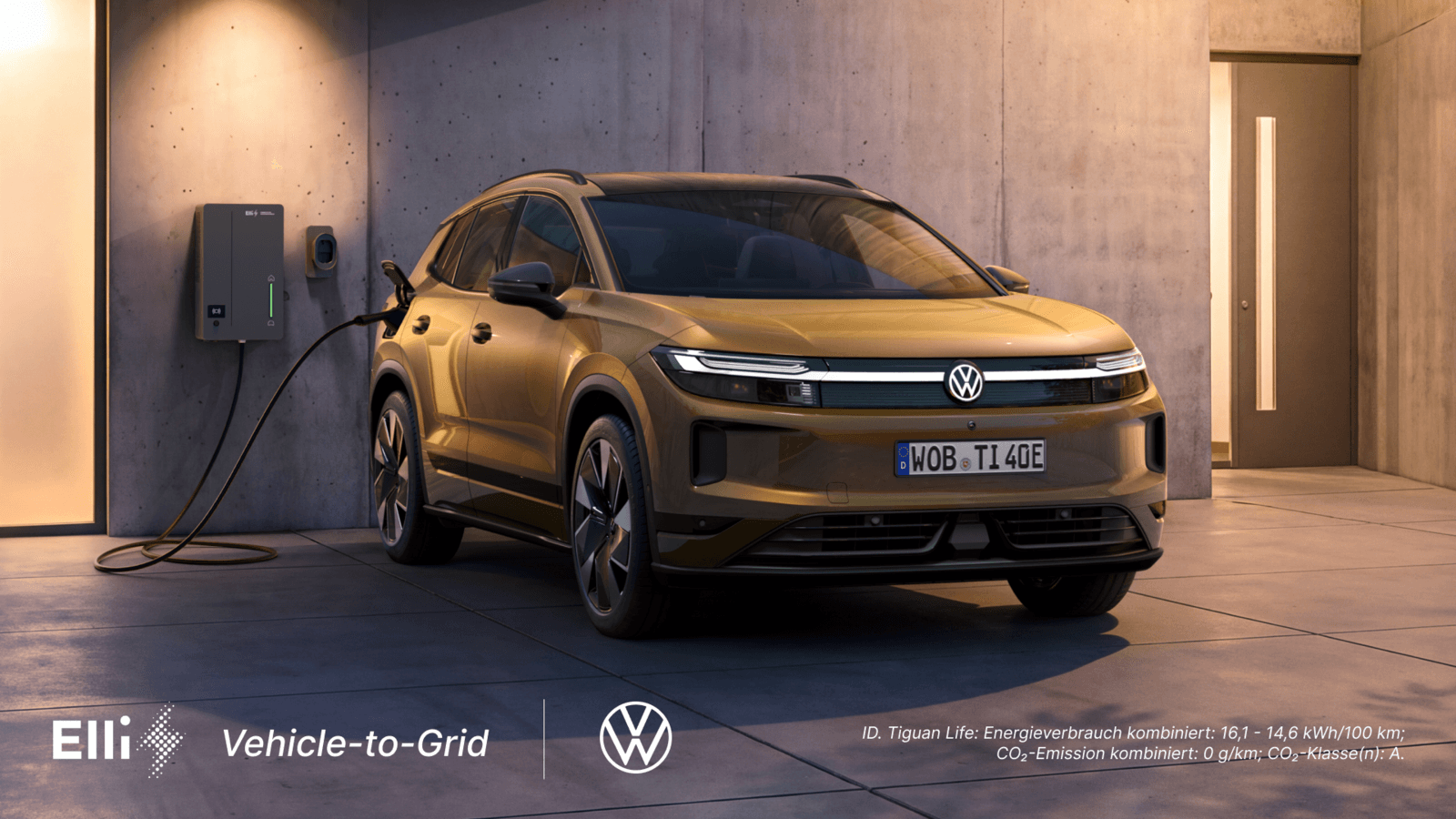
VW and Elli put a price on two-way charging in Germany
Overseas announcementA December V2G launch pairs a €1,995 charger with conditional connection payments. The package is not confirmed for NZ.
CarWatch Admin ·
News
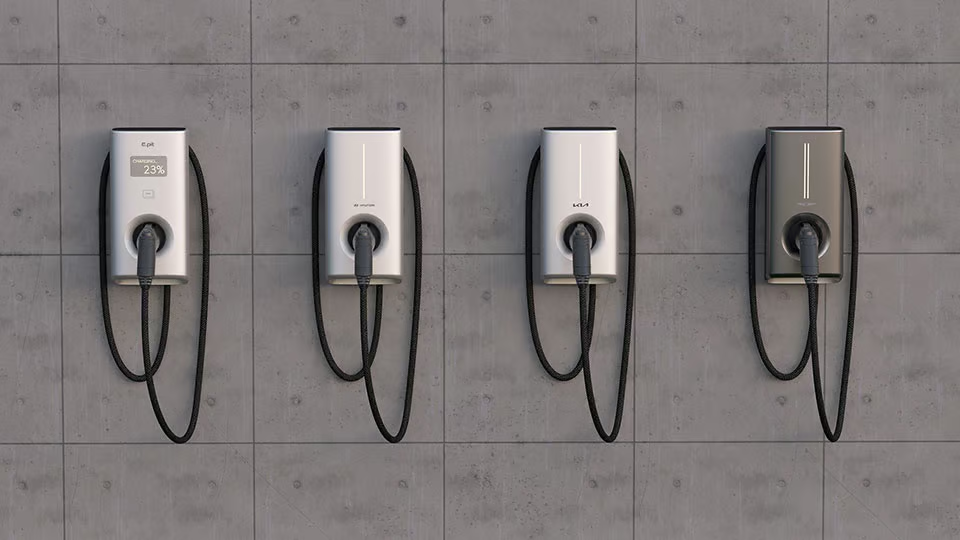
Hyundai’s new AC charger targets the everyday plug-in routine
Overseas announcementA unified charger for Hyundai, Kia and Genesis is planned for Korea in 2027, with NZ availability unconfirmed.
CarWatch Admin ·