
Hyundai’s new AC charger targets the everyday plug-in routine
A unified charger for Hyundai, Kia and Genesis is planned for Korea in 2027, with NZ availability unconfirmed.
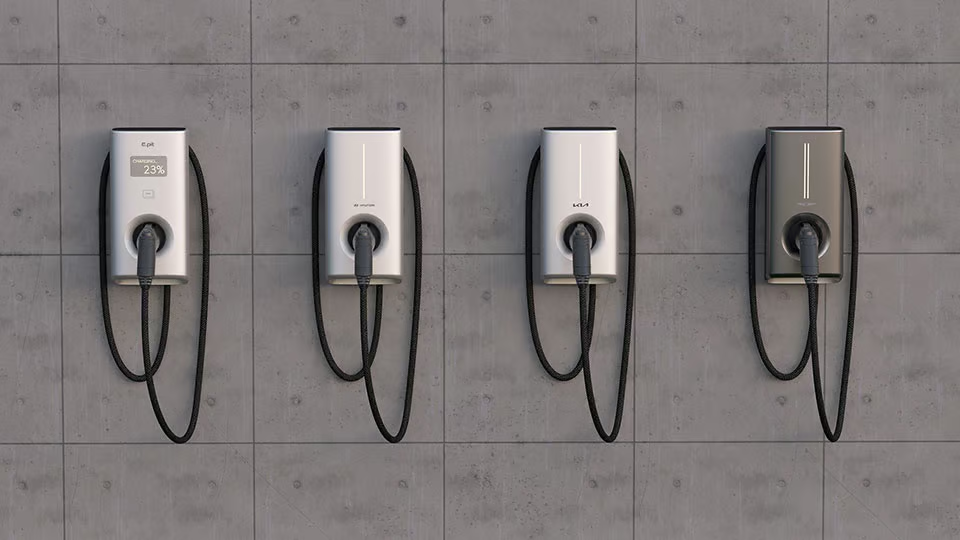
The most useful charging upgrade is not always the one that saves a few minutes beside a motorway. Sometimes it is the one that makes plugging in at home less of a chore.
Hyundai Motor Group has unveiled a unified AC charger for Hyundai, Kia and Genesis, with a Korean launch planned for 2027. The 25 November announcement points to a common experience across brands, rather than another race for the highest charging power.
What the new charger does
The Korean specification offers 7kW and 11kW versions, using the Type 1 connector, with wall-mounted or freestanding installation. Remote management, self-diagnosis and wireless software updates are supported.
Plug & Charge handles user authentication and payment after connection. Hyundai’s official support material explains the principle: the vehicle and charging station communicate to handle the session. Availability still depends on the particular vehicle and charging service, so an overseas feature announcement does not establish compatibility with a Kiwi owner’s car.
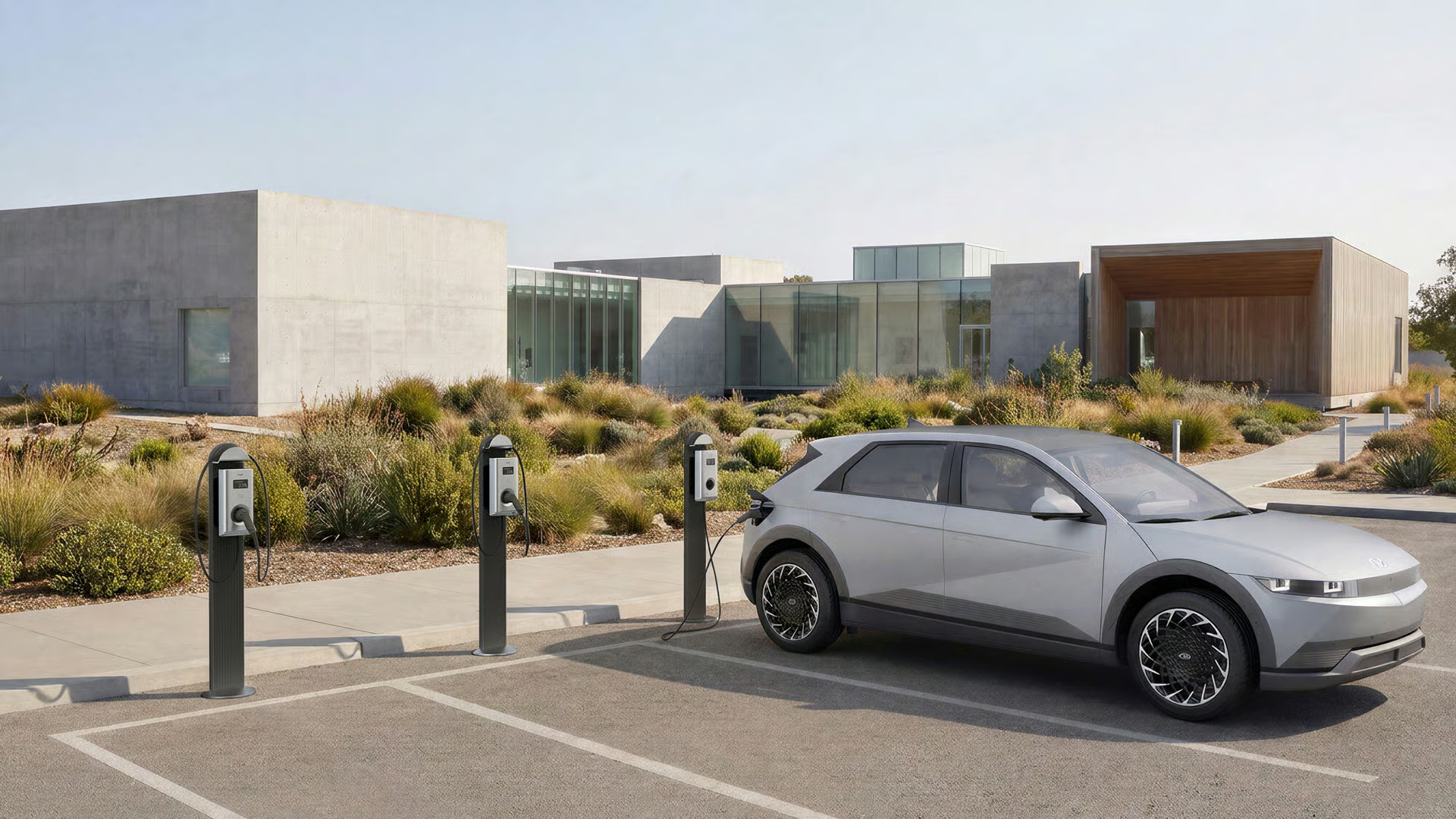
Why AC charging still matters
With AC charging, the car’s onboard charger converts the incoming electricity into the DC supply its battery needs. The vehicle’s acceptance rate and the property’s electrical supply both matter. A higher number on a wallbox cannot overcome a lower limit elsewhere in the system.
Kilowatts describe power, while kilowatt-hours describe energy. As a simple illustration, a steady 7kW supply for four hours represents 28kWh before losses. That is arithmetic, not a Hyundai charging-time claim, and the energy reaching a battery would be lower.
For a car parked overnight, reliable scheduling can matter more than maximum power. EECA’s home-charging guidance explains that smart chargers can automate charging preferences and help owners use cheaper electricity periods. The practical question is how well the equipment fits the household’s routine and power plan.
Future two-way functions are a separate step
Hyundai says the design anticipates future vehicle-to-home and vehicle-to-grid services. That is a development provision, not confirmation that buyers will receive working two-way charging at launch.
A product designed for later expansion still needs the vehicle, hardware and service arrangements to work together. Buyers should look for a supported function in the final specification, rather than treating a future possibility as an included feature.
The group plans subsequent launches in markets including the US, Europe and India, adapting specifications by region. New Zealand is not confirmed in this announcement.
For Kiwi buyers, this is a useful direction to watch: easier authentication and better charger management could remove everyday friction. Local equipment specifications, vehicle support, pricing and installation arrangements would need their own announcement.
News · Spotted an error? Tell us. Read our editorial policy.
Related stories
News
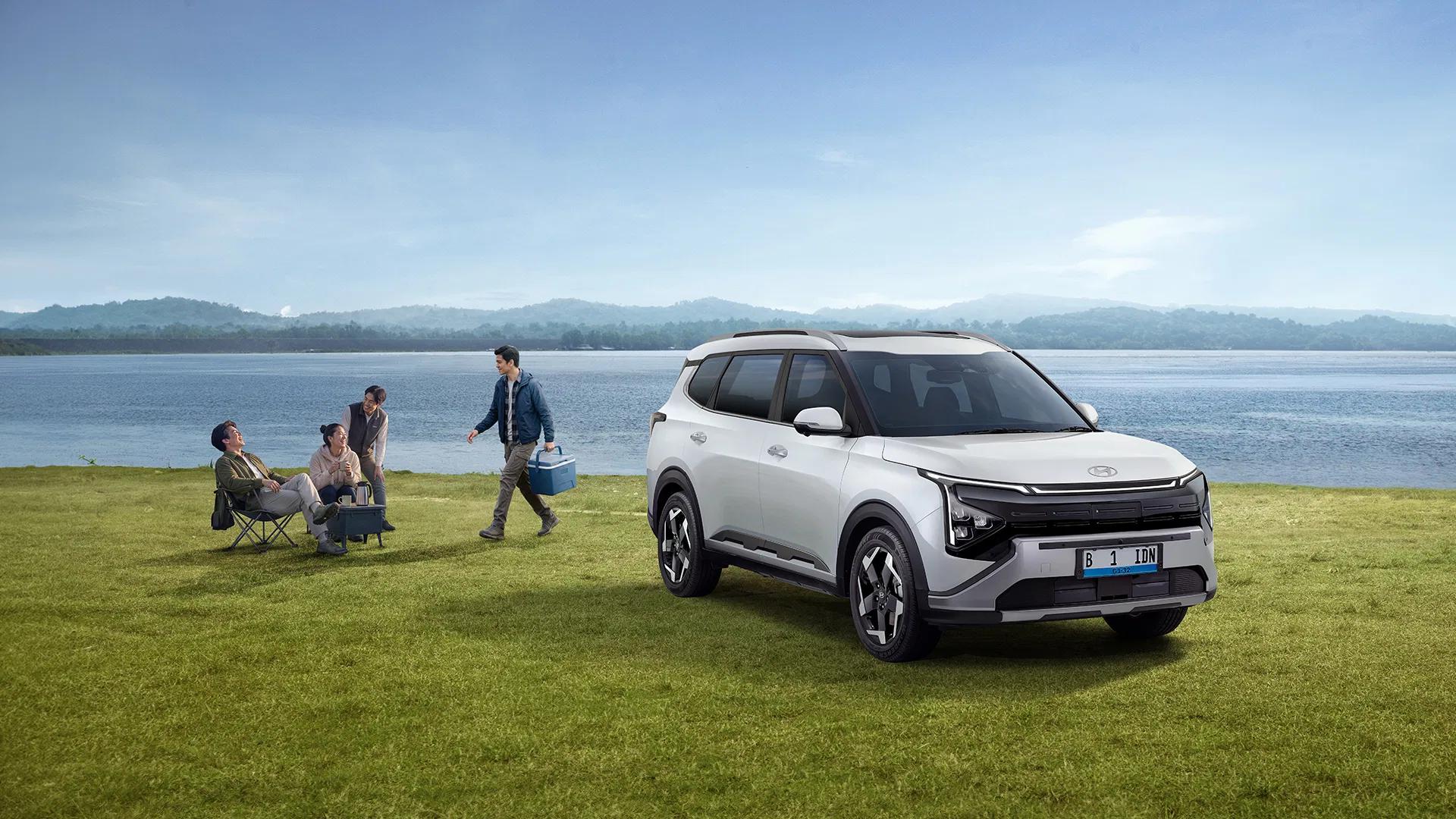
Hyundai Neira opens Indonesian bookings for a three-row electric family SUV
Overseas announcementThe seven-seat EV pairs 200mm ground clearance with familiar Hyundai cabin technology. New Zealand availability has not been confirmed.
CarWatch Admin ·
News
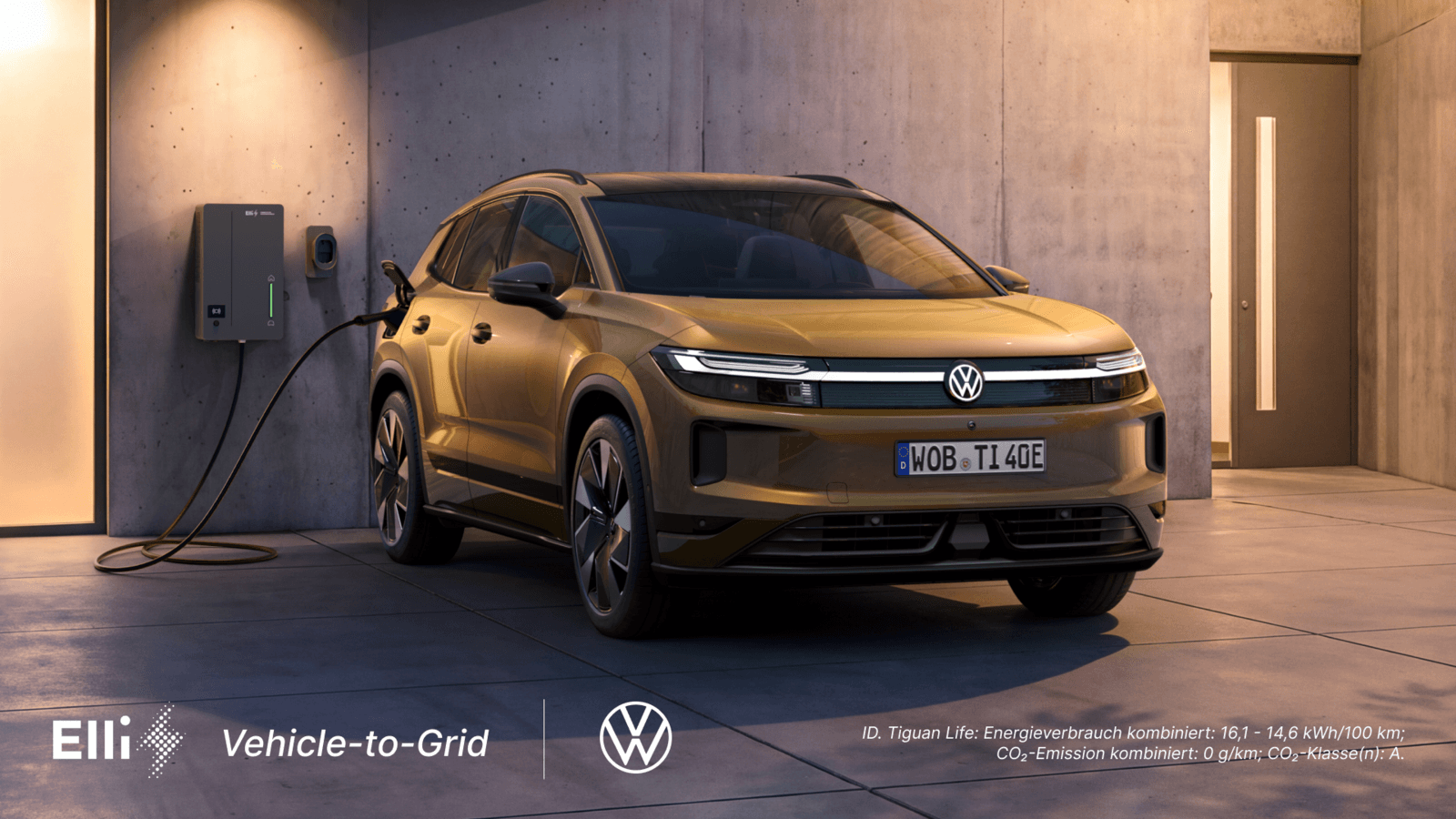
VW and Elli put a price on two-way charging in Germany
Overseas announcementA December V2G launch pairs a €1,995 charger with conditional connection payments. The package is not confirmed for NZ.
CarWatch Admin ·
News
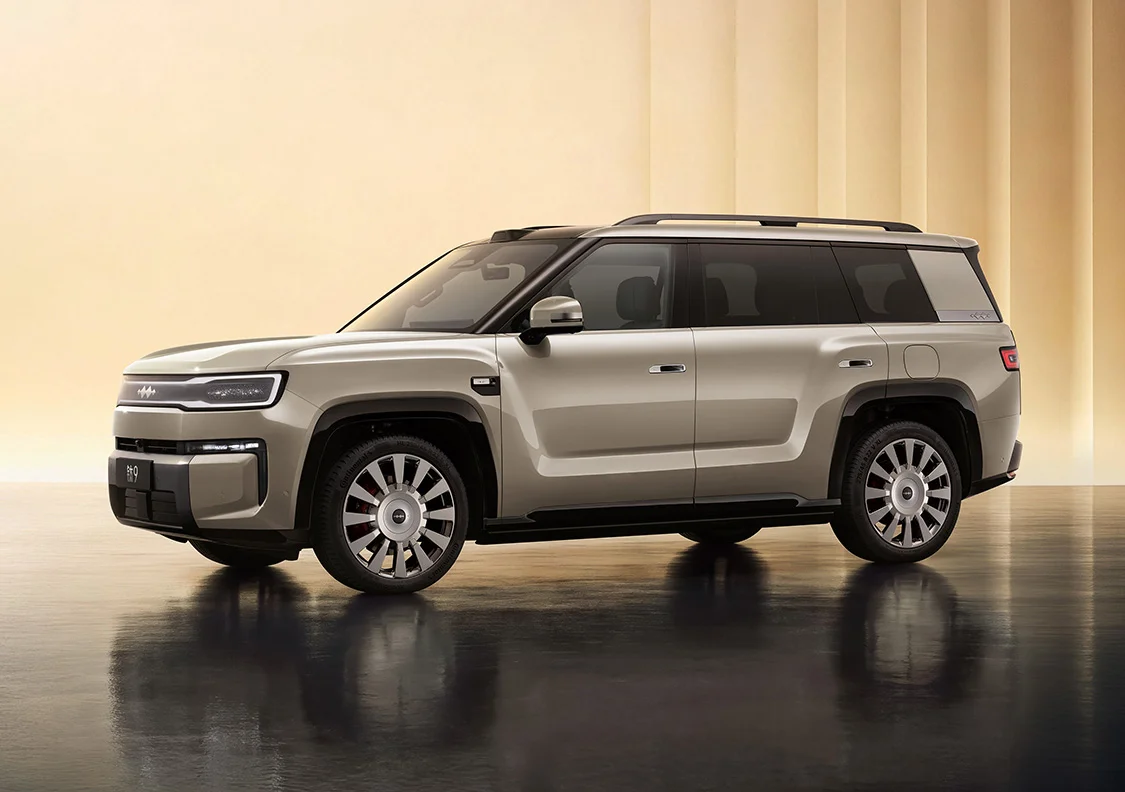
BYD’s Tai 9 puts a folding steering wheel into a production SUV
Overseas announcementThe China-market plug-in hybrid can clear space for its driver to recline while parked. New Zealand availability is unconfirmed.
CarWatch Admin ·
News
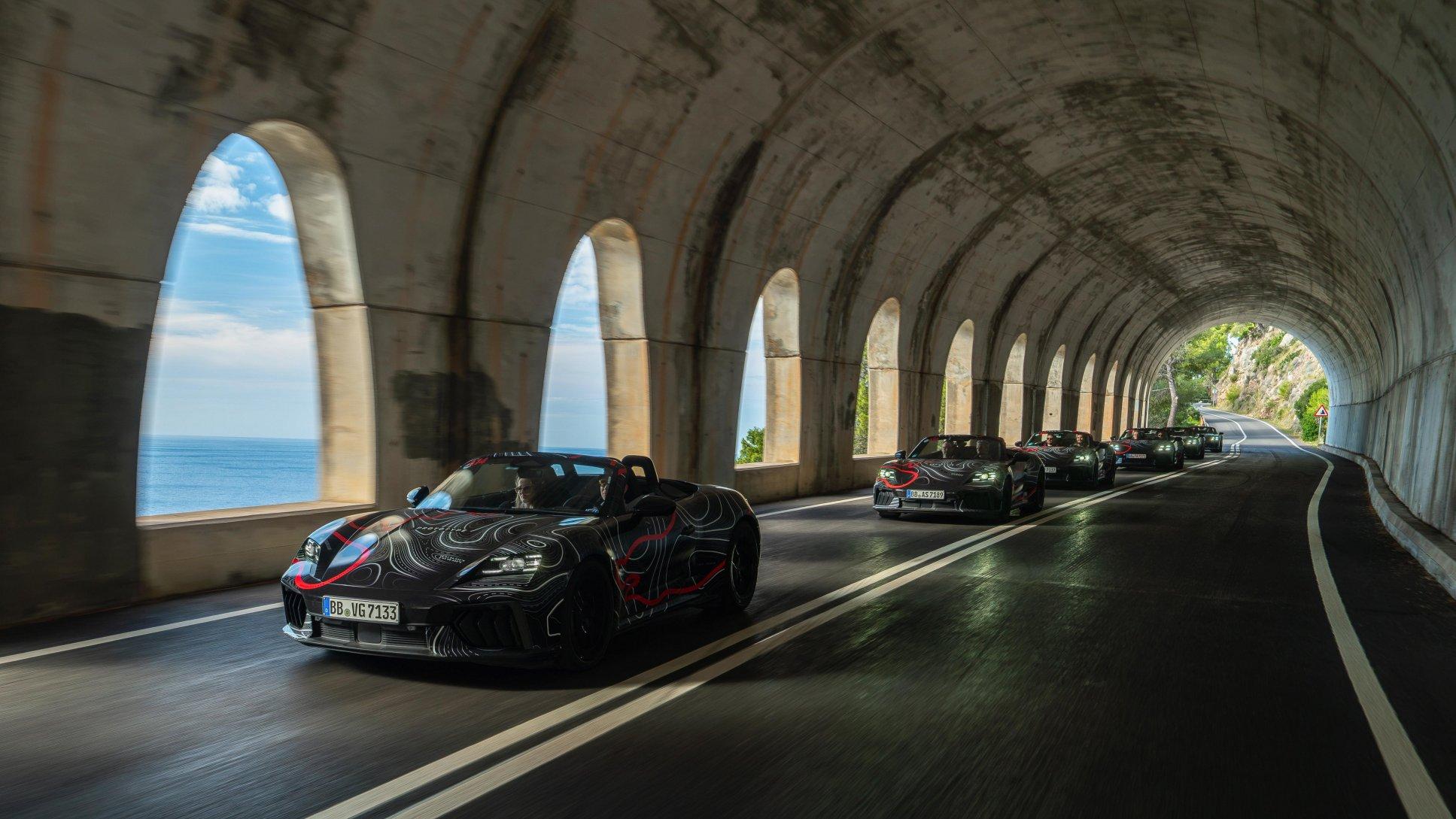
Electric Porsche Boxster puts its battery where the engine used to be
Overseas announcementPorsche’s electric roadster approaches its 2027 unveiling with a central battery and virtual gearshifts.
CarWatch Admin ·