
Electric Porsche Boxster puts its battery where the engine used to be
Porsche’s electric roadster approaches its 2027 unveiling with a central battery and virtual gearshifts.
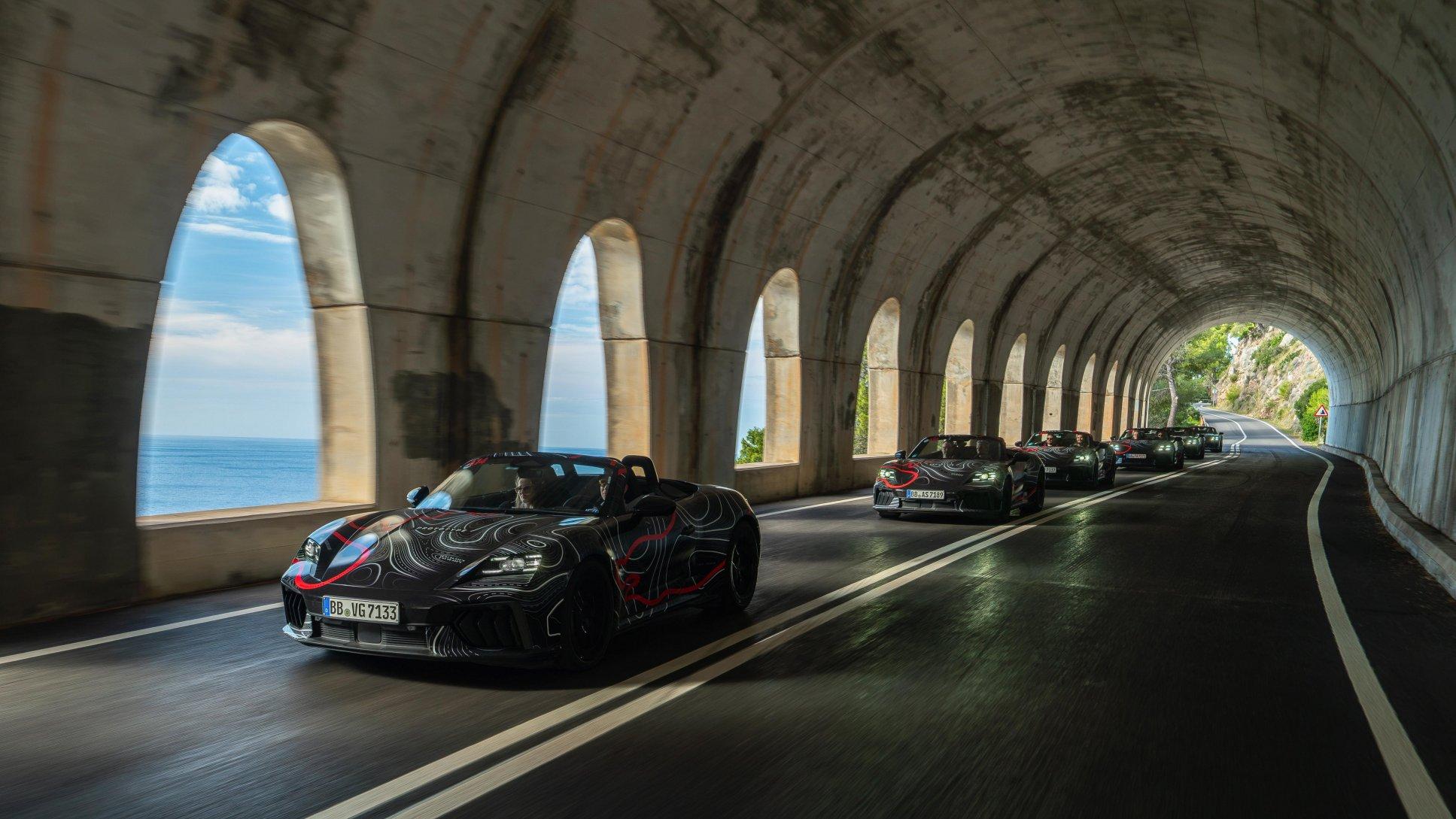
Porsche’s electric Boxster has an unusual answer to a familiar sports car problem: where do you put the battery without making the driver sit too high?
In its 24 November development update, Porsche says the electric 718 Boxster will make its world premiere in the first quarter of 2027. New Zealand pricing and arrival timing remain unconfirmed.
A different place for the battery
The 800V battery sits behind the seats, where the engine normally sits. Porsche’s E-Core layout is intended to preserve a low seating position and centralise mass.
That is a useful distinction when comparing electric vehicles. Battery location is a packaging decision as much as an energy-storage decision. In a low roadster, space underneath the occupants is especially precious: raising a seat changes the relationship between the driver, the steering wheel and the windscreen.
A central battery does not, by itself, prove how a car will handle. It tells us which problem the engineers have chosen to solve first. Range, usable luggage space and the finished car’s weight will still matter to buyers assessing the complete package.
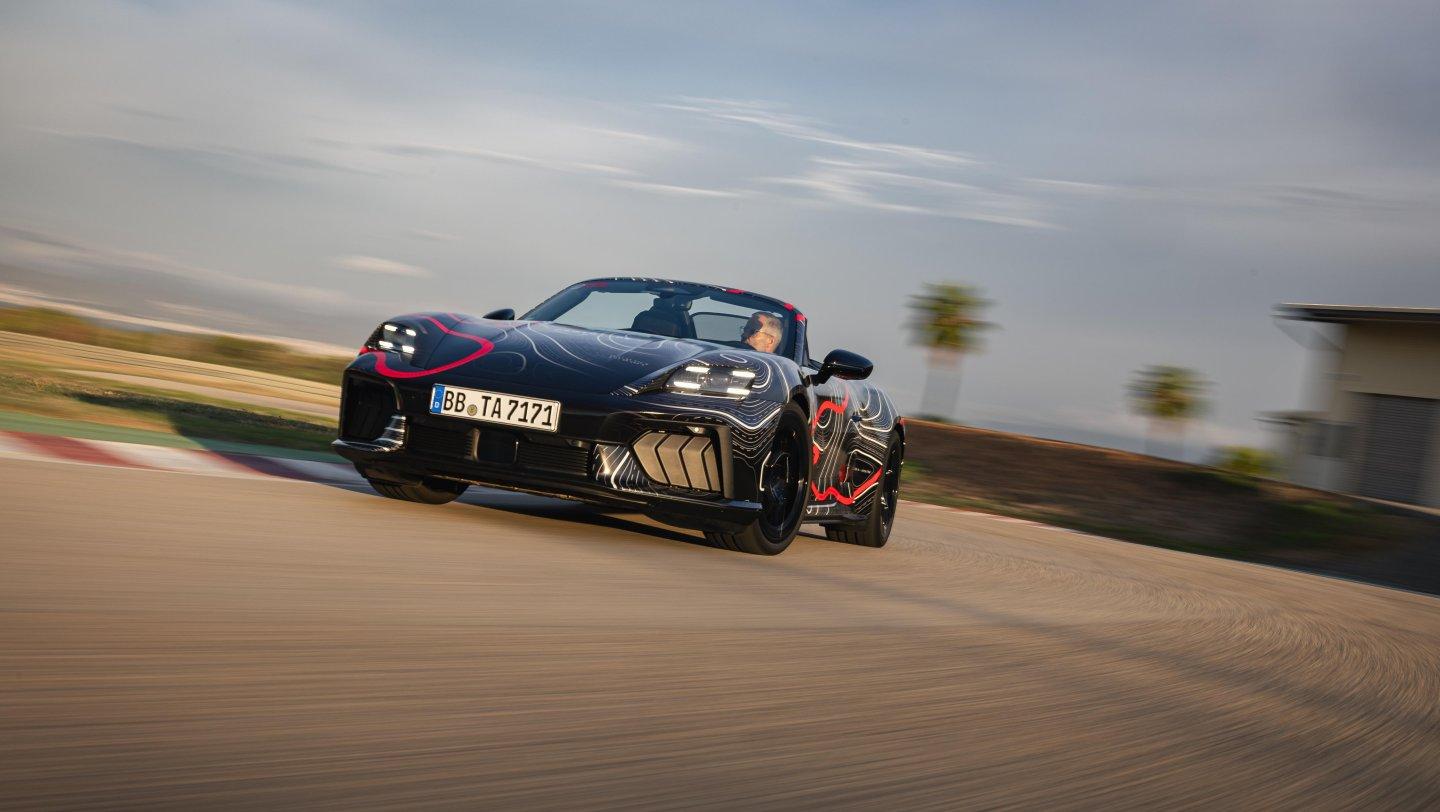
Seven gears, recreated in software
Porsche says all versions will be rear-wheel drive and have standard E-Shift, offering seven virtual gears and a recreated six-cylinder Boxster soundtrack. It can be switched off, with the paddles then selecting three recuperation settings.
There is already a useful explanation of the underlying idea in Porsche’s Taycan E-Shift technical material. That system uses software to create eight simulated ratios, with sound and changes in torque delivery supplying the feedback normally associated with changing gear.
The Taycan also retains an actual two-speed transmission on its rear axle. Porsche aligns one virtual shift with that physical shift. That is Taycan-specific hardware, rather than confirmation of the Boxster’s mechanical transmission arrangement.
For the driver, the distinction is straightforward: a simulated gear is a programmed way of controlling power delivery and feedback. It does not mean another pair of physical gears has been added. The appeal is the opportunity to time a shift and hear a response, even when the propulsion comes from an electric motor.
What New Zealand buyers should wait for
The next milestone is a reveal, rather than a confirmed local on-sale date. These manufacturer images show camouflaged development cars.
Until a New Zealand announcement supplies the local specification, buyers should treat this as an early look at Porsche’s engineering priorities. The most revealing question is already clear: how much familiar Boxster character can be carried into a car powered by a battery and electric motor?
News · Spotted an error? Tell us. Read our editorial policy.
Related stories
News
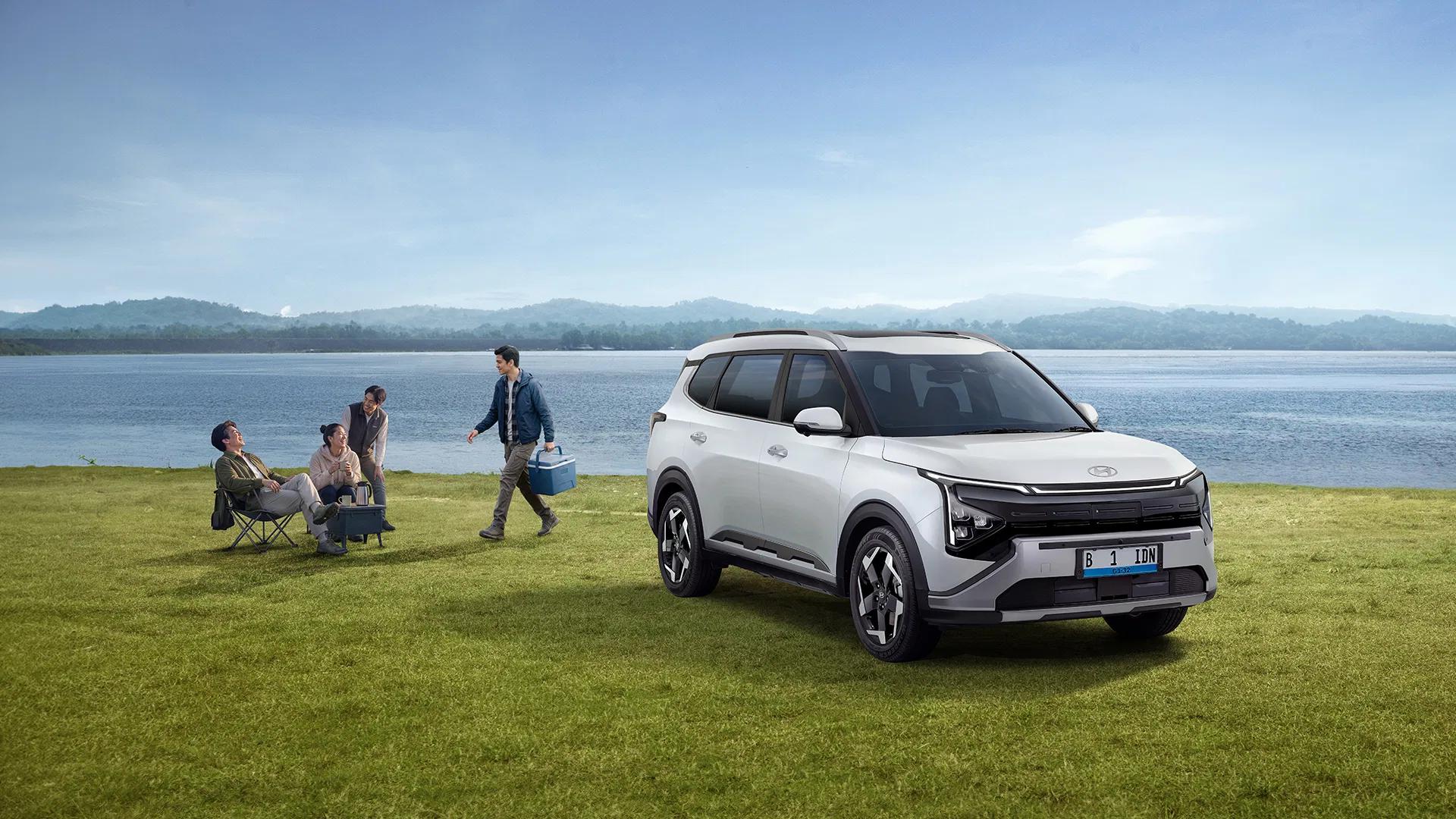
Hyundai Neira opens Indonesian bookings for a three-row electric family SUV
Overseas announcementThe seven-seat EV pairs 200mm ground clearance with familiar Hyundai cabin technology. New Zealand availability has not been confirmed.
CarWatch Admin ·
News
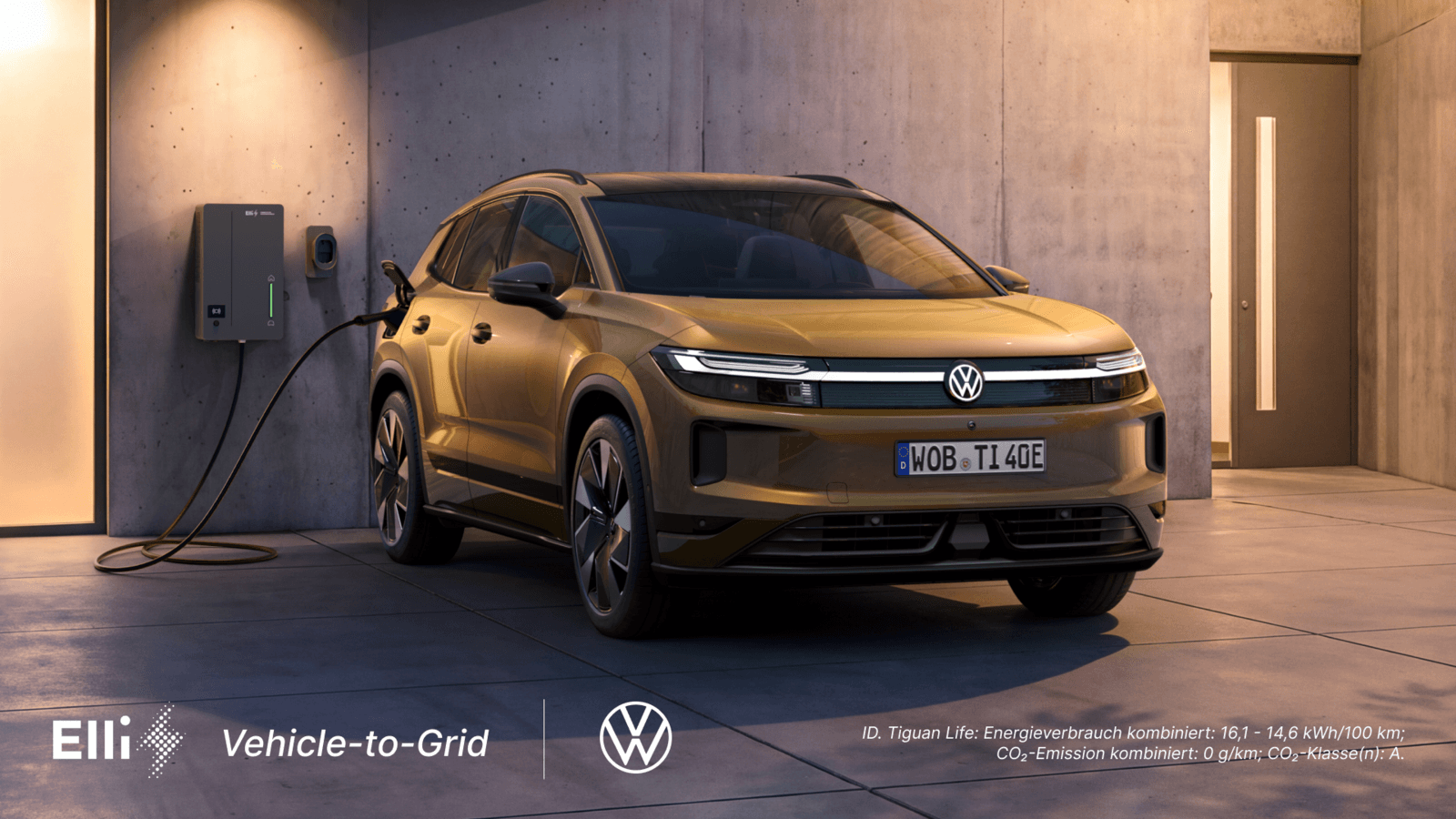
VW and Elli put a price on two-way charging in Germany
Overseas announcementA December V2G launch pairs a €1,995 charger with conditional connection payments. The package is not confirmed for NZ.
CarWatch Admin ·
News
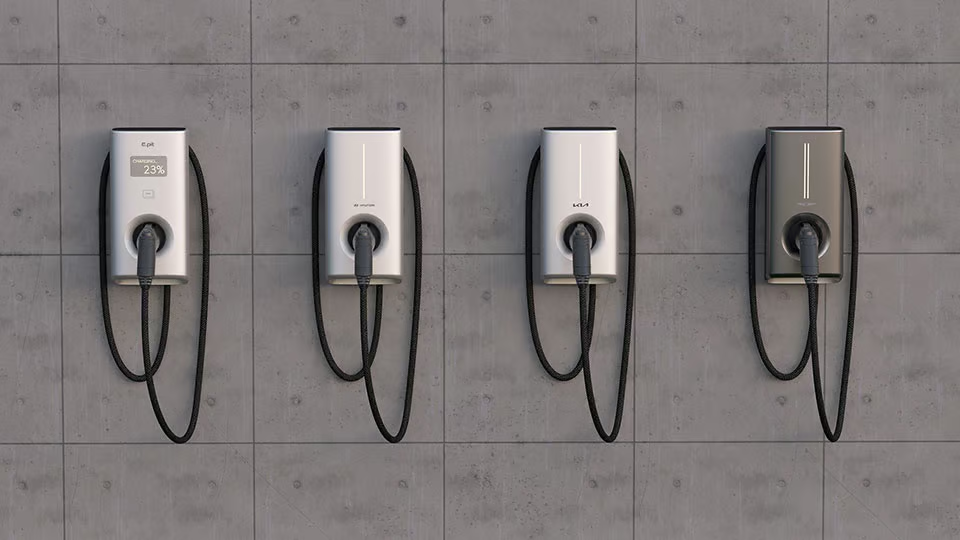
Hyundai’s new AC charger targets the everyday plug-in routine
Overseas announcementA unified charger for Hyundai, Kia and Genesis is planned for Korea in 2027, with NZ availability unconfirmed.
CarWatch Admin ·
News
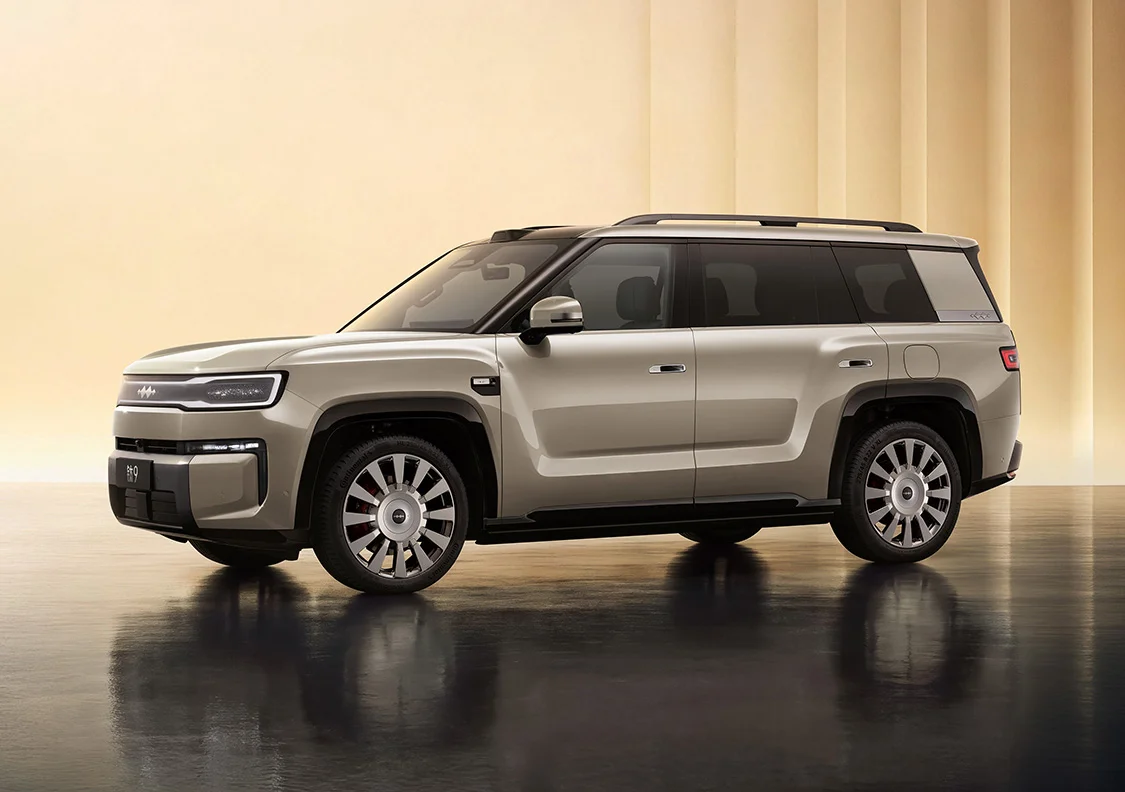
BYD’s Tai 9 puts a folding steering wheel into a production SUV
Overseas announcementThe China-market plug-in hybrid can clear space for its driver to recline while parked. New Zealand availability is unconfirmed.
CarWatch Admin ·