
The Barnacle: the parking device that sticks to your windscreen
The windscreen-blocking Barnacle is reportedly heading to New Zealand. Its maker promises an alternative to clamps and towing, but the details will matter for drivers.
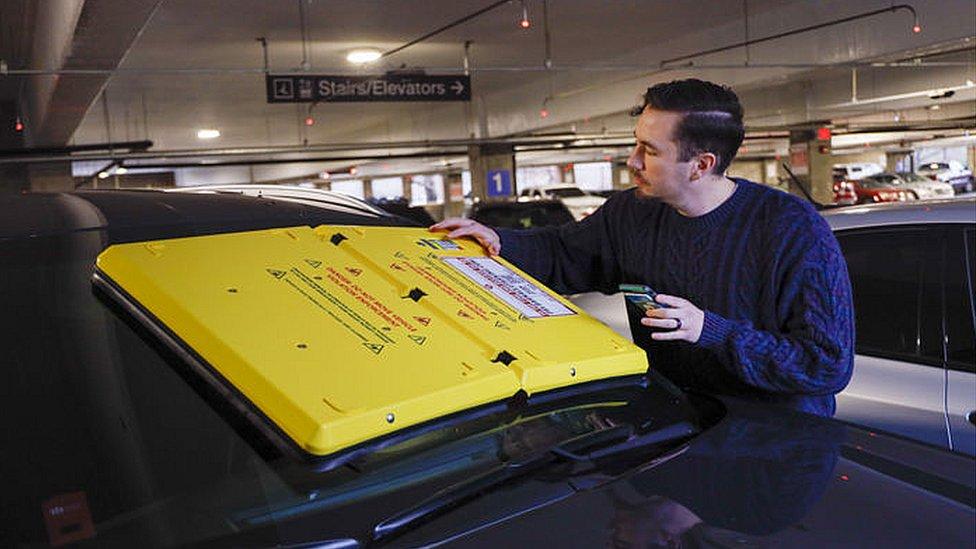
Returning to your car to find a large yellow panel stuck across the windscreen would be an unwelcome surprise. That is the idea behind the Barnacle, a parking enforcement device that Stuff reports is coming to New Zealand.
The device is designed to obstruct the driver’s view, using suction cups to attach to the glass. Its manufacturer markets it as an alternative to wheel clamps and towing.
How does the Barnacle work?
According to Barnacle Parking’s explanation, an enforcement worker activates the device and places it on the windscreen. An alarm sounds if it is tampered with or moved, and the system can alert the operator.
The company says motorists can use the phone number or website displayed on the device, settle any applicable charge and obtain a release code. They can then remove the Barnacle themselves and return it to a designated drop-off point. Depending on the operator’s arrangements, a refundable deposit may also apply.
That self-release process is the main selling point: the car stays where it was parked, and the driver does not have to travel to a tow yard to retrieve it.
The system already has overseas users. Barnacle Parking’s University of Kansas case study describes its use on campus as an alternative to towing.
A different device, familiar questions
For drivers, a simpler release process could be useful. But convenience also depends on where the return point is, how quickly help is available and what happens when someone disputes the parking allegation.
Clear signage matters too. A driver should be able to understand the parking conditions before leaving the car, rather than discover the consequences on their return.
CarWatch’s view is that a clever device only solves part of the problem. Fair charges, an accessible way to challenge mistakes and a straightforward return process will matter at least as much as the technology.
The manufacturer’s overseas procedures are not confirmation of the fees or conditions that will apply in New Zealand.
Explainer · Spotted an error? Tell us. Read our editorial policy.
Related stories
Explainer
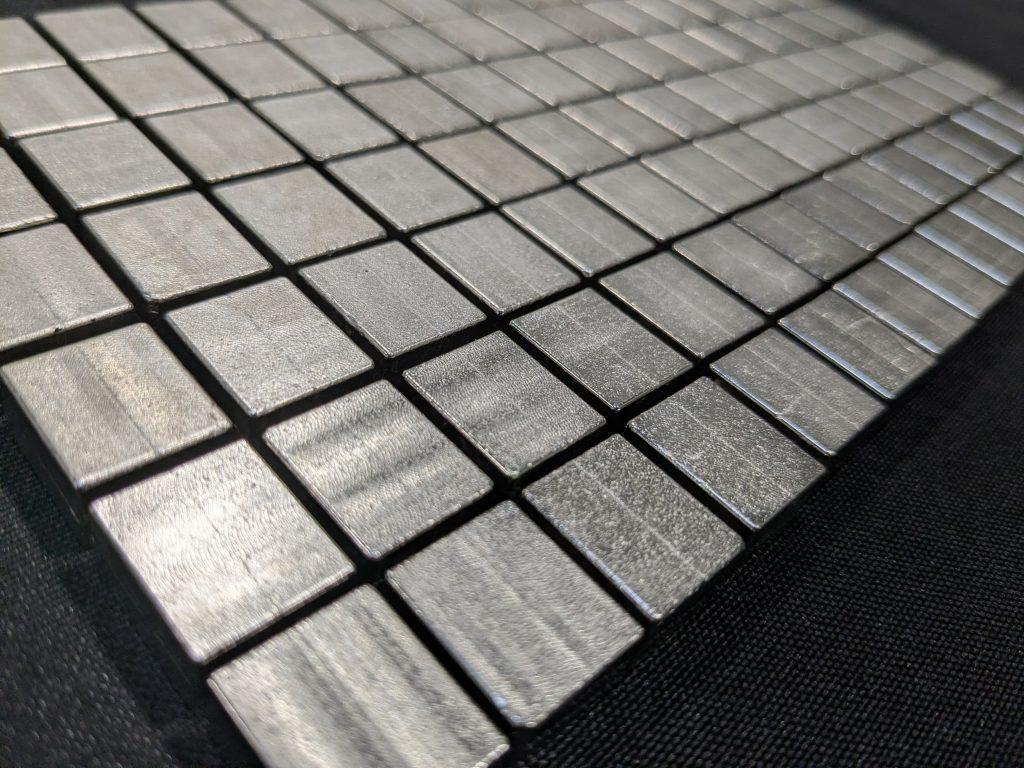
Niron’s US$1.8b factory plan puts rare-earth-free EV magnets in focus
Overseas announcementIron-nitride magnets offer another route away from rare earths in electric motors. Niron's new US factory remains a future project, with no NZ vehicle application announced.
CarWatch Admin ·
News
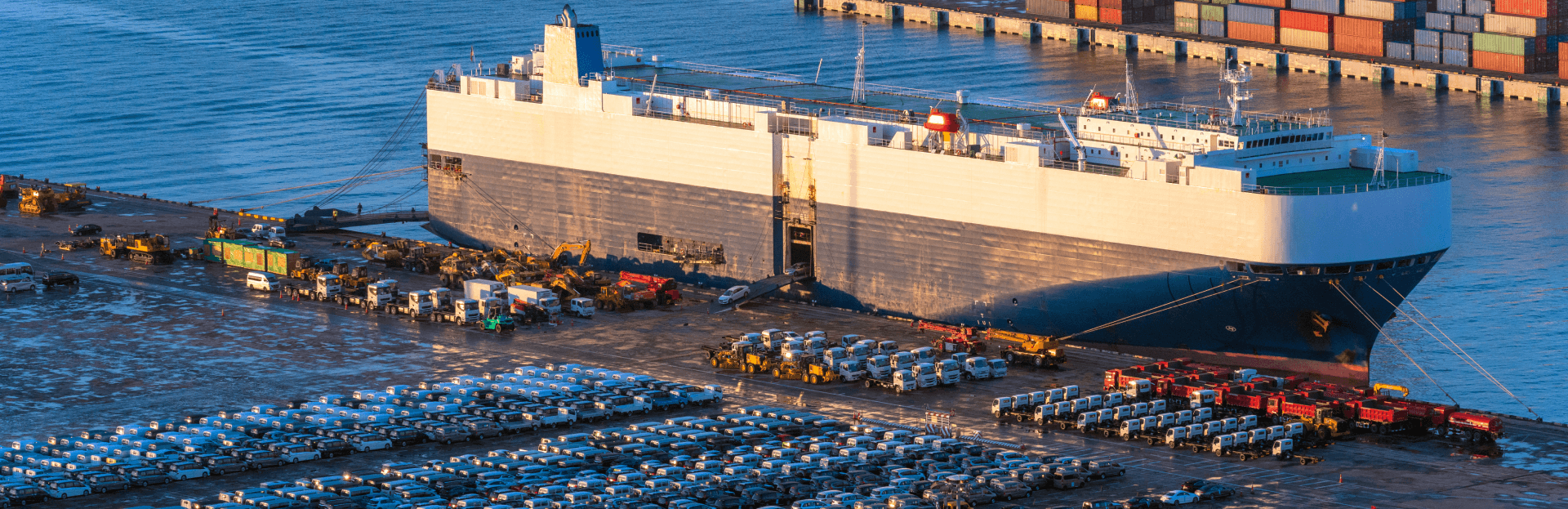
Japan shipping pause complicates used EV imports for 2027, with Leaf exception
NCC says Wallenius Wilhelmsen’s year-long Japan-to-Oceania pause leaves container shipping as its current option for used BEVs other than the Nissan Leaf. Extra costs remain vehicle-specific.
CarWatch Admin ·
Explainer
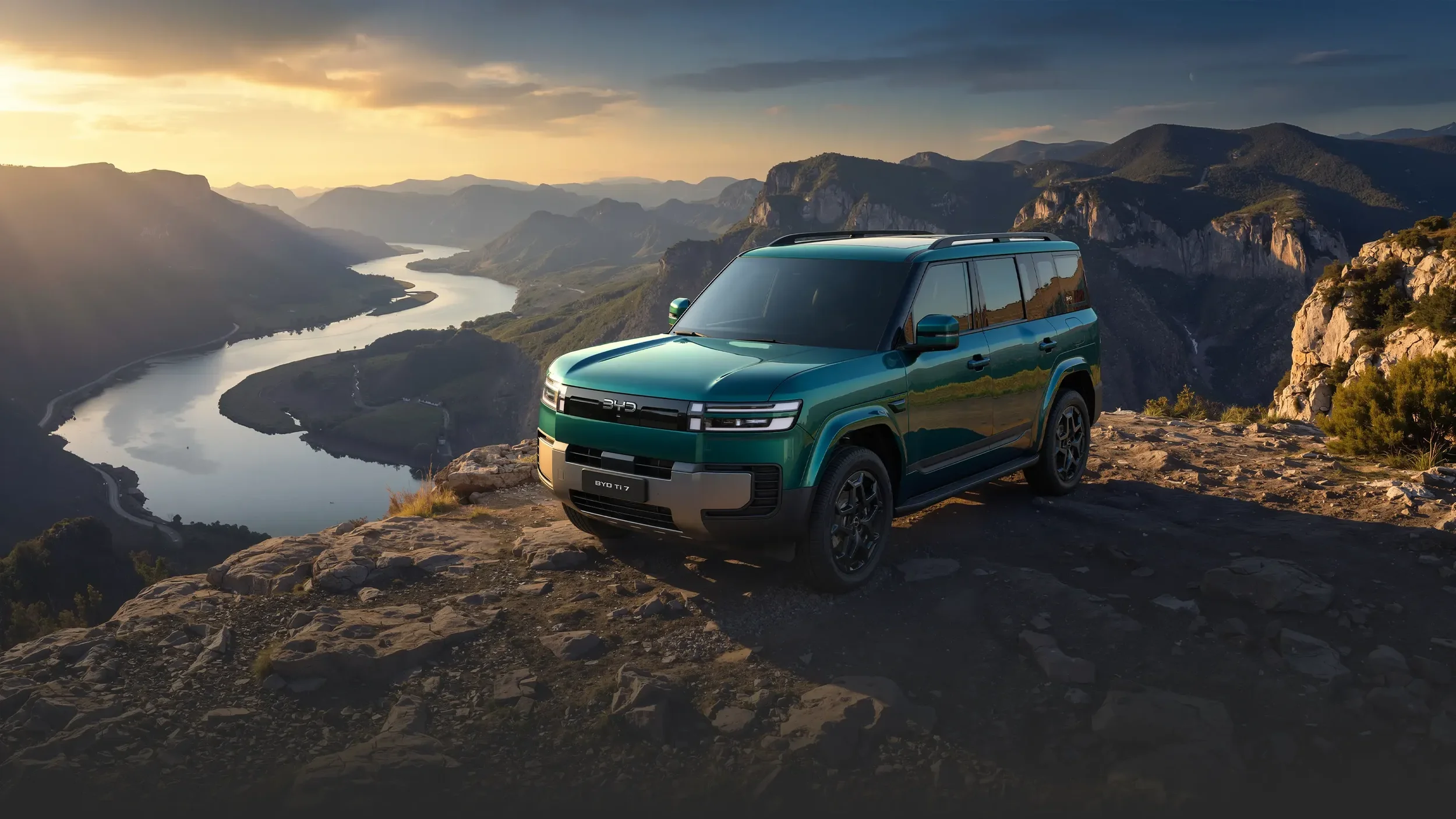
BYD versus Land Rover: the Ti7 deserves more than a ‘copycat’ label
Opinion: BYD has secured an early win in its Defender design dispute with JLR. The wider case remains unresolved, but the Ti7’s family SUV proposition deserves a fair hearing.
CarWatch Admin ·
News
Suzuki launches NZ certified-used scheme with cover to eight years
Selected NZ-new Suzukis gain an inspection and dealer-backed package. The eight-year clock starts at first registration, and later warranty cover is limited to the powertrain.
CarWatch Admin ·