
BYD versus Land Rover: the Ti7 deserves more than a ‘copycat’ label
Opinion: BYD has secured an early win in its Defender design dispute with JLR. The wider case remains unresolved, but the Ti7’s family SUV proposition deserves a fair hearing.
Opinion
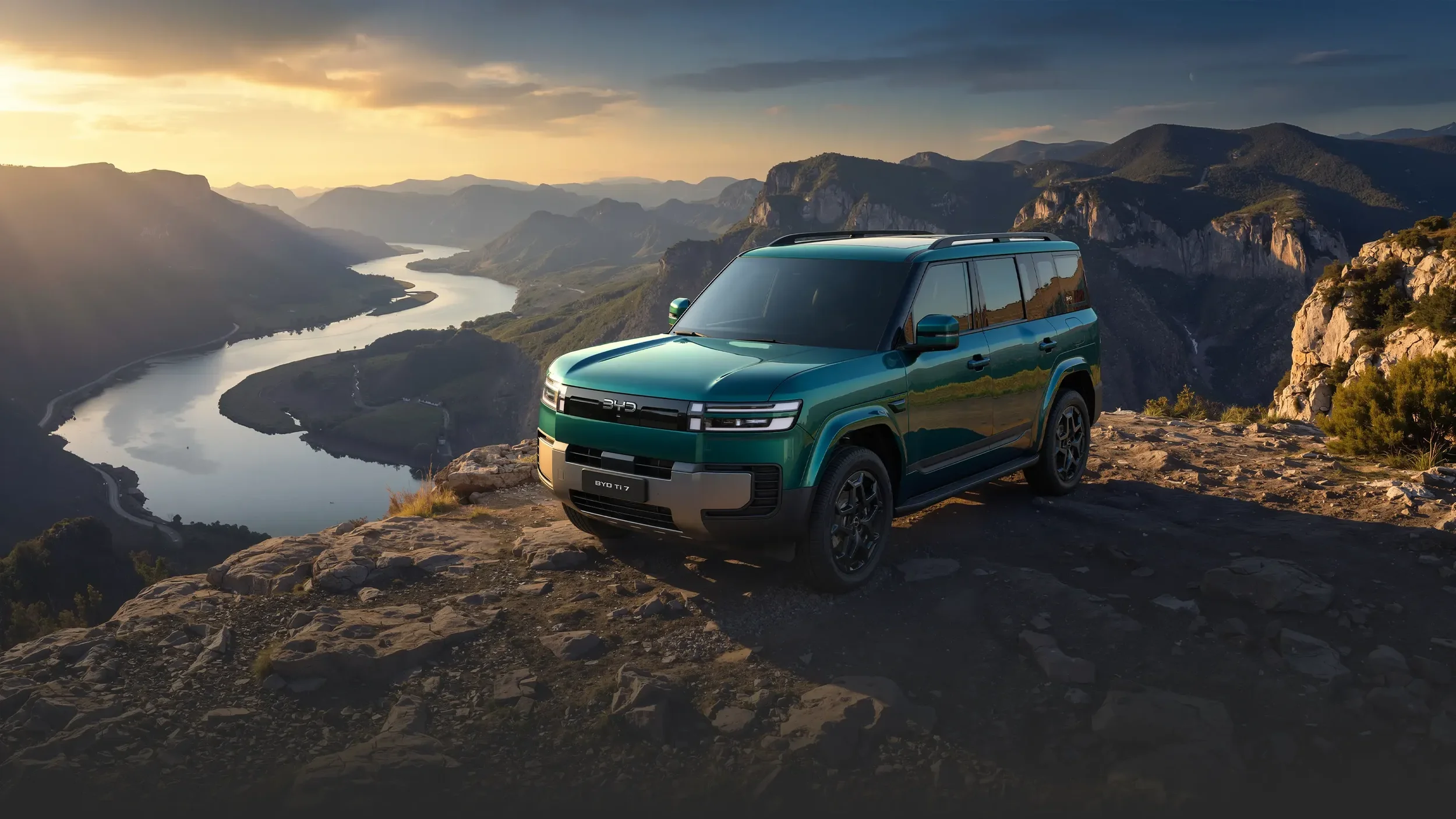
BYD’s Ti7 has become the centre of a legal dispute with Jaguar Land Rover over the Defender’s design. That is a serious matter for the courts. But as a prospective family SUV, the BYD deserves a more useful conversation than simply being written off as a “copycat”.
Our sympathies lean towards giving the challenger a fair shot. Buyers should get to judge what a new vehicle offers, alongside whatever the courts ultimately decide about its design.
An early win for BYD
JLR alleges that the Ti7 infringes European Union design rights relating to the Land Rover Defender. It obtained court permission in August to secure records from BYD’s Dutch operations.
BYD challenged that seizure. In a ruling on 11 November, followed by a corrective judgment on 12 November, the District Court of The Hague lifted it and ordered JLR to instruct the bailiff or custodian to destroy the seized copies.
The judge considered the seizure unnecessary for the design claim. The court also found that the Ti7 had not been offered or sold in the EU, undermining JLR’s argument that it needed the records to calculate damages.
That is a meaningful procedural win for BYD. It does not settle whether the Ti7 infringes JLR’s rights. The underlying allegations remain separate from this decision.
The published court judgment makes that distinction worth keeping in view.
There is a vehicle worth discussing here
The more interesting question for a car buyer is what sits behind the Ti7’s squared-off bodywork.
In its official UK announcement, BYD describes a seven-seat SUV with its DM-p plug-in hybrid system, two electric motors providing all-wheel drive and a 1.5-litre turbocharged petrol engine.
BYD quotes 0–62mph, approximately 100km/h, in 4.8 seconds and combined WLTP electric range of 79 miles, or about 127km. Those are manufacturer claims for the UK model, rather than verified New Zealand specifications or our own test results.
For a family that can charge at home, the prospect of covering everyday trips on electricity while retaining petrol power for longer journeys is appealing. How well the Ti7 delivers that in practice will matter far more to its owners than an argument in a comment section about its silhouette.
We would want to know how comfortable the third row is, how it rides on rough roads, what it consumes with a depleted battery and how well its controls work. Those are the questions that turn an interesting specification into a convincing family car.
Heritage deserves respect. So does a challenger
The Defender has a strong visual identity. JLR is entitled to seek protection for rights it believes have been infringed, and liking BYD’s proposition does not require dismissing that.
But we are equally reluctant to treat a familiar-looking new arrival as having nothing worthwhile to contribute. Resemblance is a starting point for discussing design; it tells us little about the ownership experience.
For New Zealand buyers, any eventual local proposition should stand on its price, safety credentials, warranty, servicing support and real-world ability. Overseas figures cannot answer all of those questions, and we would wait for local details before declaring the Ti7 a bargain or a better buy than a Defender.
Even so, we like the ambition. A challenger asking families to reconsider an established badge is healthy competition in our view. It gives buyers another option and established manufacturers another reason to make their own vehicles compelling.
The courts can decide the rights dispute. We would like to see the Ti7 earn its place through what it offers on the road. It deserves that opportunity.
Explainer · Spotted an error? Tell us. Read our editorial policy.
Related stories
Explainer
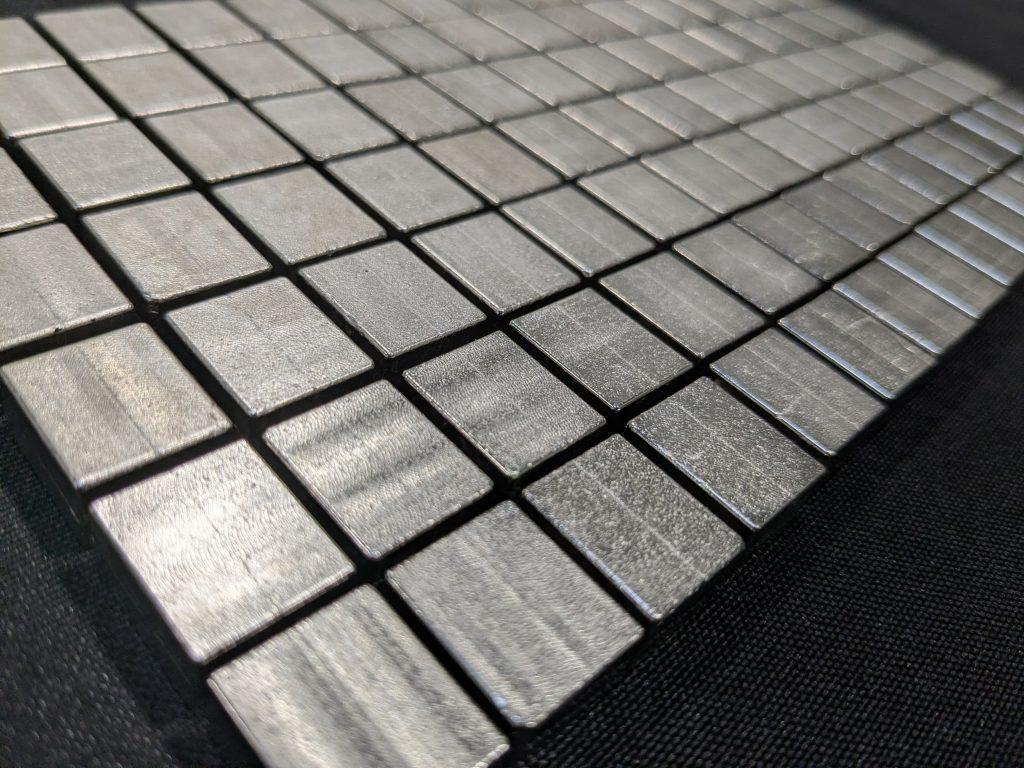
Niron’s US$1.8b factory plan puts rare-earth-free EV magnets in focus
Overseas announcementIron-nitride magnets offer another route away from rare earths in electric motors. Niron's new US factory remains a future project, with no NZ vehicle application announced.
CarWatch Admin ·
News
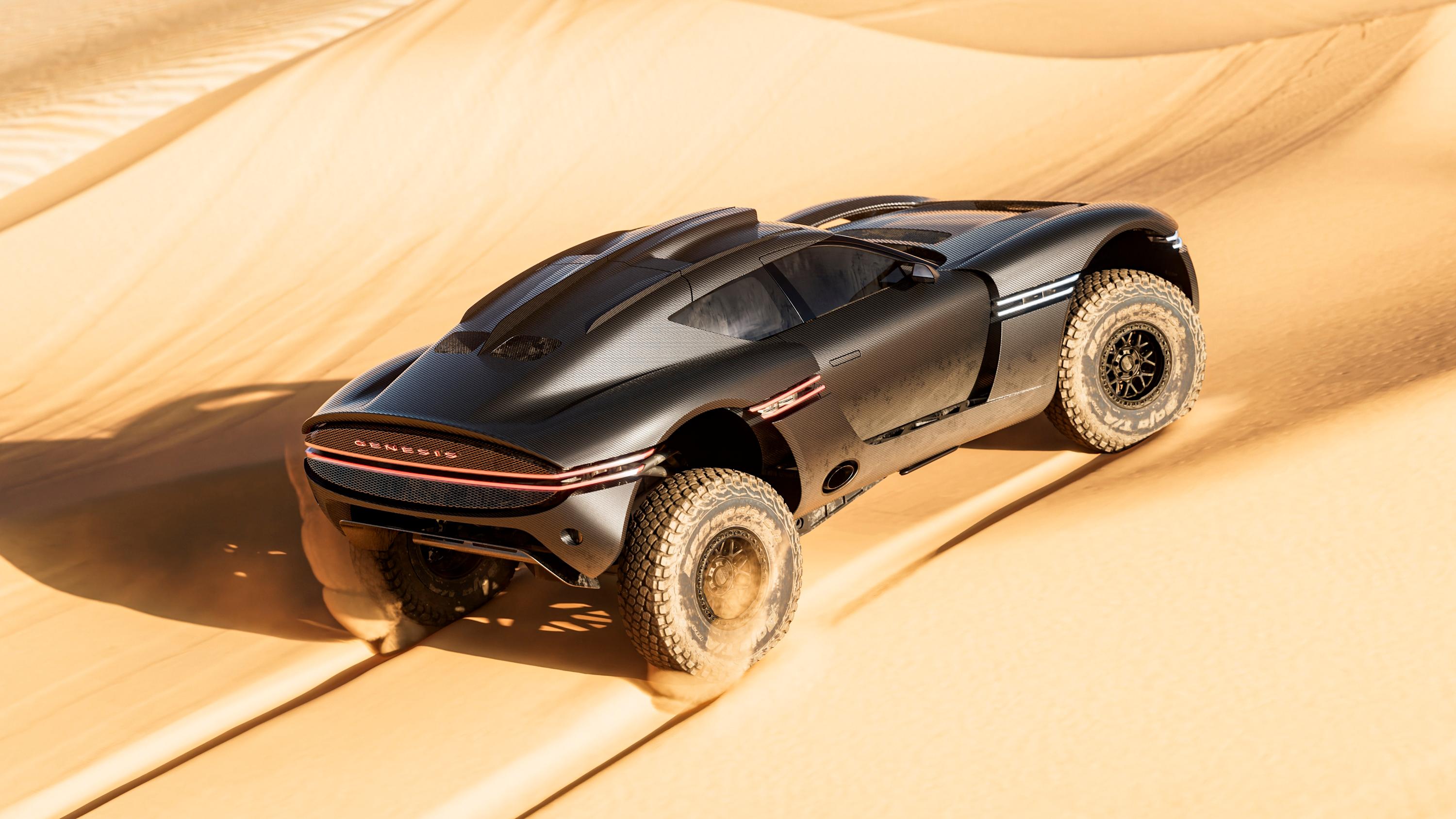
Genesis explores a production future for its 820kW X Skorpio concept
UnconfirmedFresh reports point to interest in building the extreme desert machine. Its V8 power, giant tyres and specialist structure remain concept details, with no NZ launch confirmed.
CarWatch Admin ·

News
Japan shipping pause complicates used EV imports for 2027, with Leaf exception
NCC says Wallenius Wilhelmsen’s year-long Japan-to-Oceania pause leaves container shipping as its current option for used BEVs other than the Nissan Leaf. Extra costs remain vehicle-specific.
CarWatch Admin ·
News
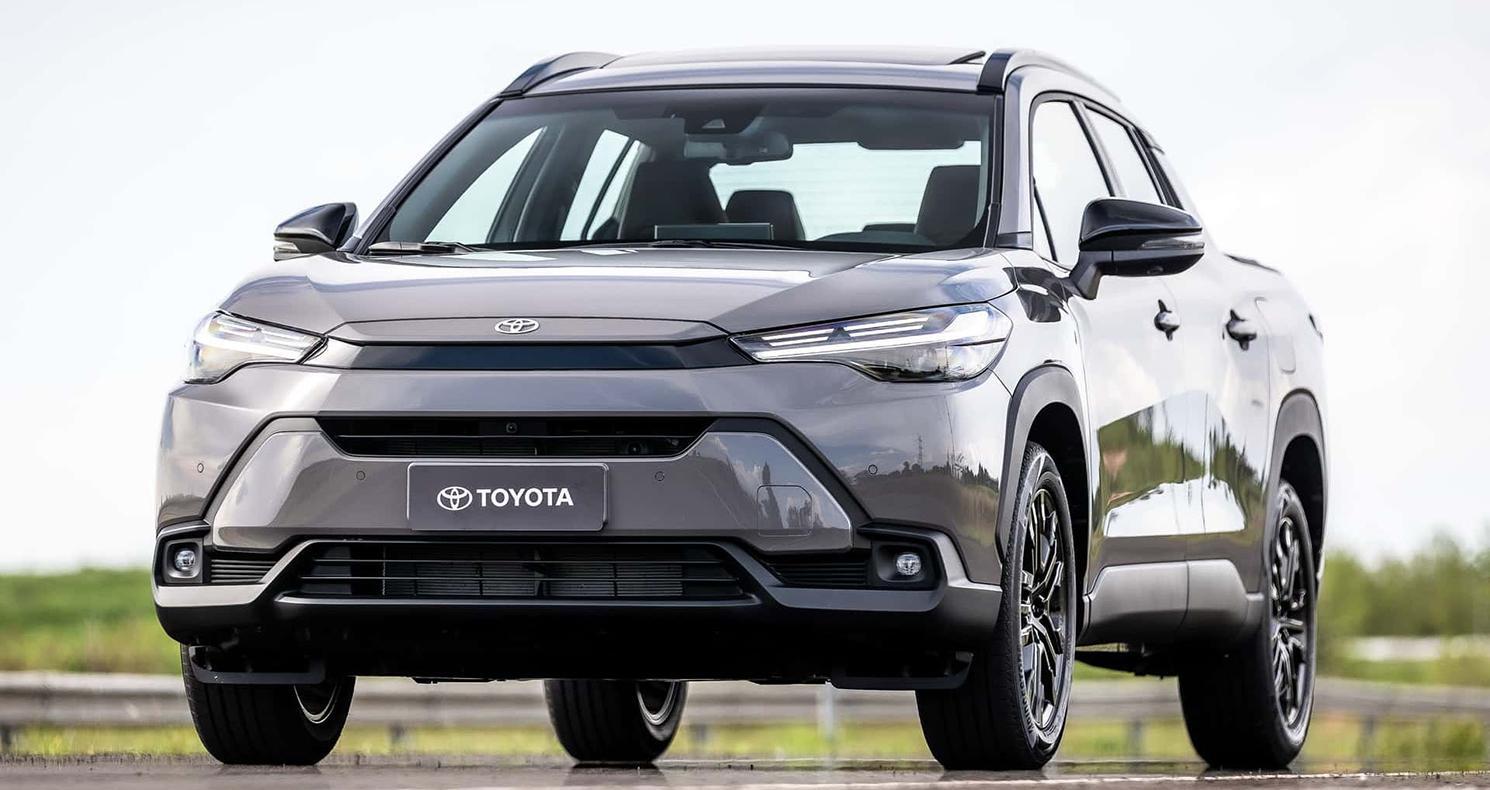
Toyota reveals Corolla Deck hybrid ute, with NZ plans unconfirmed
Overseas announcementThe Corolla Cross-based double cab is planned for Brazilian production in 2027. Its car-style construction offers a different ute formula, but local availability and key specifications remain unconfirmed.
CarWatch Admin ·