
Siemens’ new DC switch tackles a hidden challenge in ultra-fast EV charging
The SIRIUS 3QC1 combines semiconductor switching with mechanical isolation for high-power DC systems. Its ratings describe a component, not a car's charging speed.
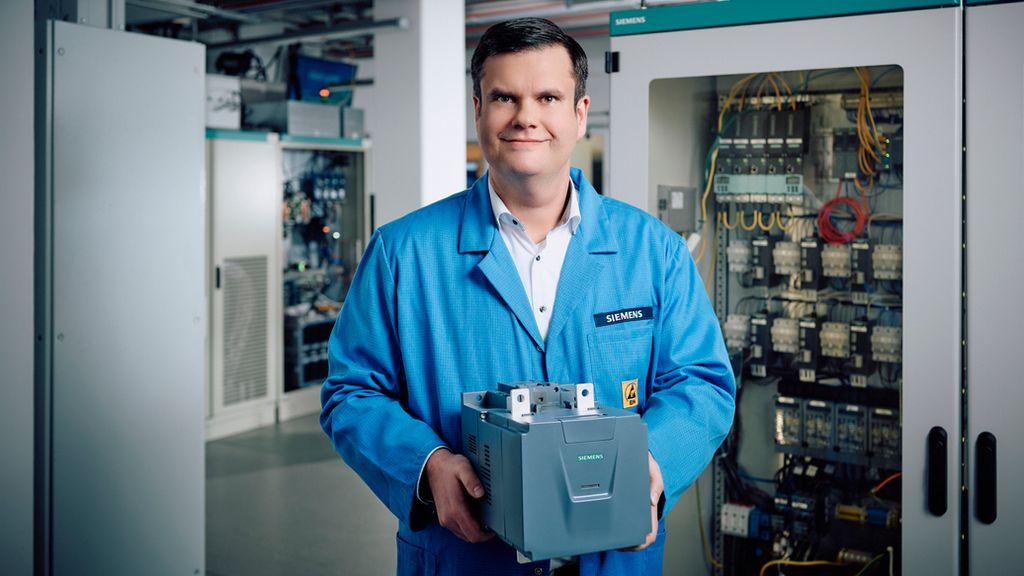
Ultra-fast charging depends on more than a large number printed on a charging cabinet. Somewhere inside the installation, hardware must connect and disconnect substantial electrical loads, repeatedly and reliably.
Siemens is targeting that task with its new SIRIUS 3QC1 heavy-duty DC contactor, announced on 20 November. The company is combining semiconductor switching with mechanical contacts, and lists fleet, electric-truck and electric-bus charging among its intended applications.
Its first public presentation is scheduled for the SPS trade fair in Nuremberg on 24–26 November. The announcement identifies no specific New Zealand installation or local delivery date.
Why switching DC is a difficult job
A contactor is an electrically operated switch for a power circuit. In this case, the challenge is direct current, the form of electrical current supplied by batteries and delivered during DC rapid charging.
Siemens explains that alternating current regularly passes through zero, which helps an electrical arc die out when contacts open. Direct current has no equivalent natural zero crossing. An arc can persist as the contacts separate, making interruption more demanding.
The 3QC1 divides the work. Semiconductors handle the switching process, while mechanical contacts provide the physical separation needed for galvanic isolation. In plain language, that isolation breaks the conductive path between the two sides of the circuit.
Siemens describes the switching as virtually arc-free and says the design supports at least 150,000 switching operations. Those are manufacturer claims, rather than independent long-term results from an NZ charging site.
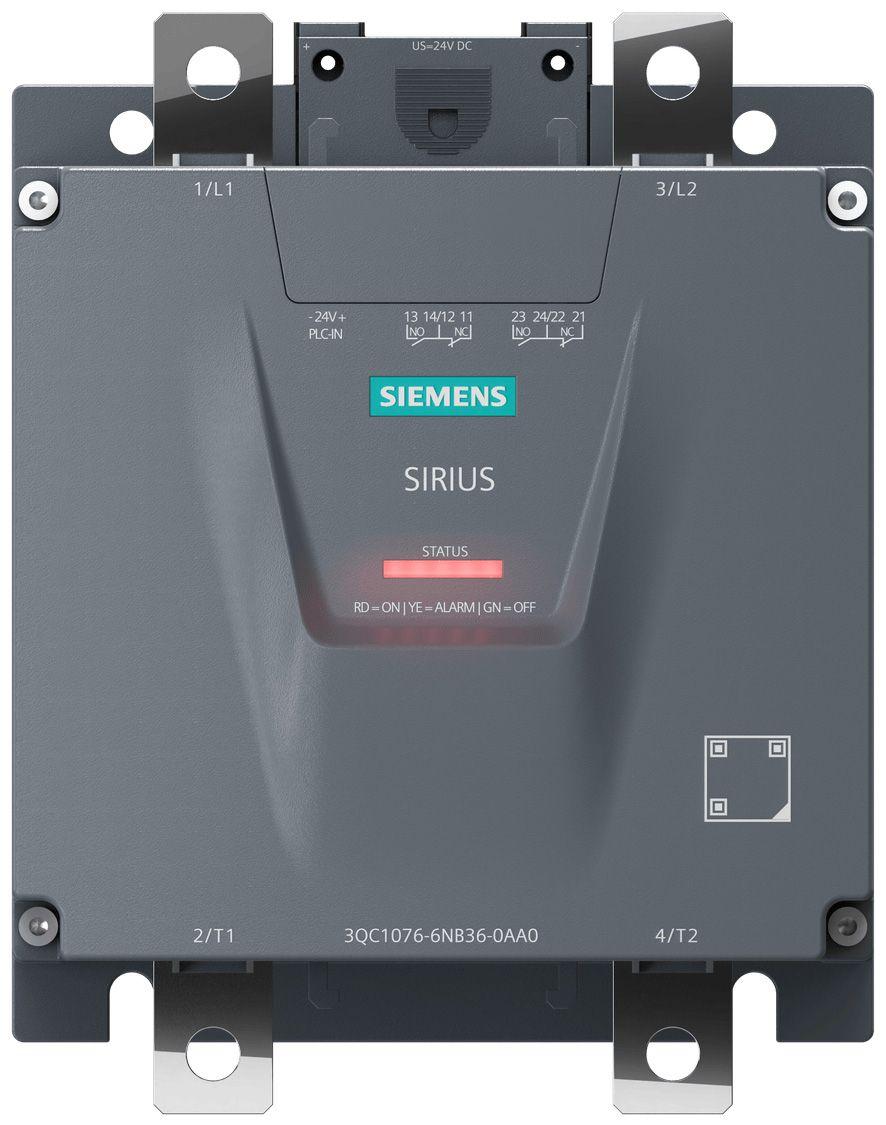
Built for charging and discharging
The announced range covers current ratings of 300A, 400A, 500A and 600A, with voltages up to 1,500V. It is also bidirectional: it can switch regardless of which way current is flowing.
That is relevant to battery storage, where energy moves into the battery during charging and out again during discharge. Siemens also points to solar integration and megawatt charging infrastructure.
Bidirectionality at component level does not turn every connected car into a vehicle-to-grid system. The vehicle, charger, controls and wider installation still need to support the intended service. Likewise, a contactor's voltage and current ratings are not a promise that a passenger EV will accept a particular charging speed.
What NZ drivers and fleets should take from it
The practical interest is durability and serviceability in the equipment behind the charging plug. Siemens' design includes remote operation and status indicators, features aimed at the people building and maintaining DC systems.
For a fleet considering electric trucks or buses, switching hardware is one part of a much larger charging decision that also includes the vehicle's requirements, site power and operating schedule. This announcement does not establish a new NZ charging network or change the capabilities of an EV already on the road.
It does show why progress in charging is partly a story about components drivers rarely see. Handling power reliably matters alongside providing more of it.
Explainer · Spotted an error? Tell us. Read our editorial policy.
Related stories
News
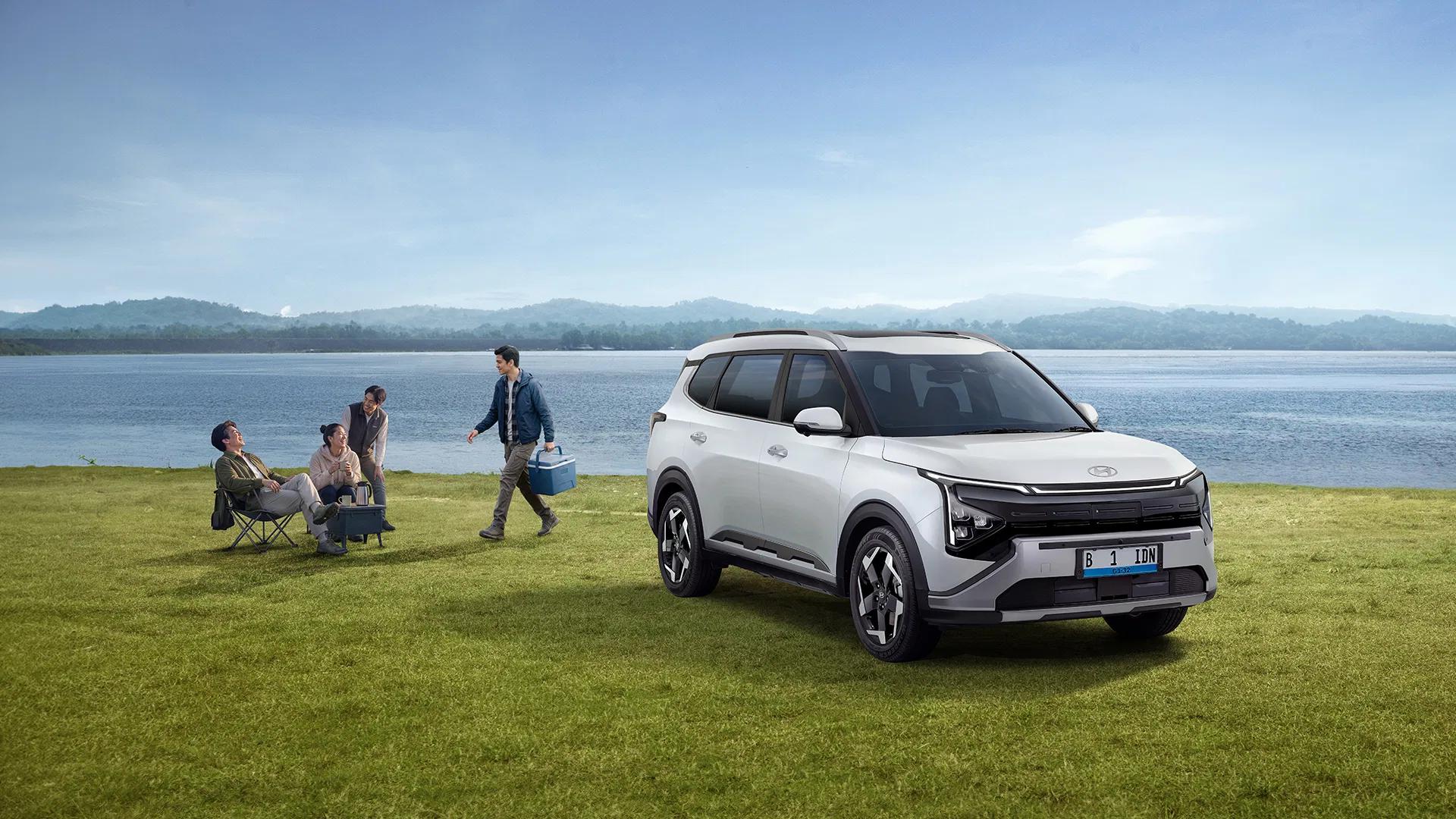
Hyundai Neira opens Indonesian bookings for a three-row electric family SUV
Overseas announcementThe seven-seat EV pairs 200mm ground clearance with familiar Hyundai cabin technology. New Zealand availability has not been confirmed.
CarWatch Admin ·
News
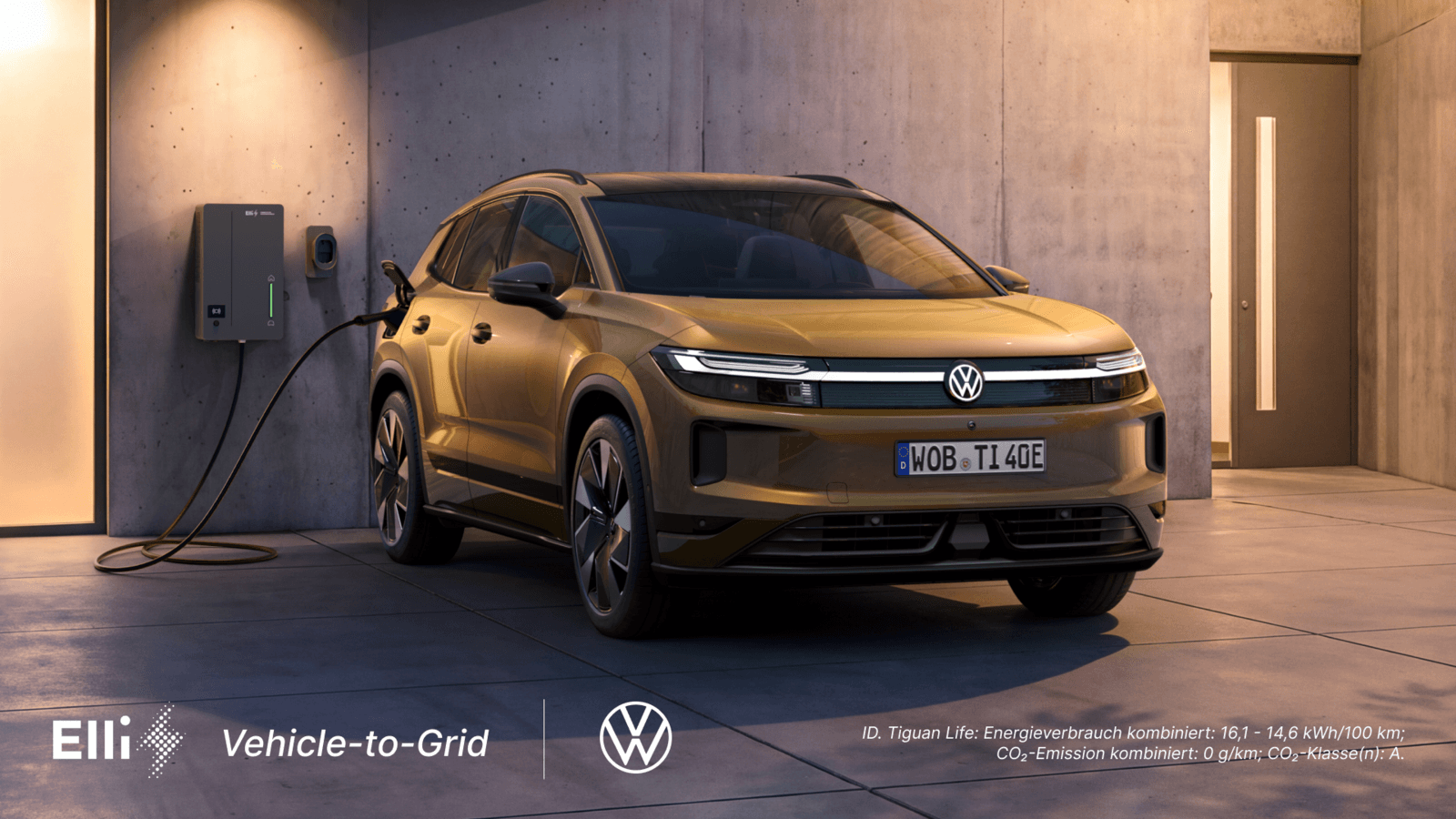
VW and Elli put a price on two-way charging in Germany
Overseas announcementA December V2G launch pairs a €1,995 charger with conditional connection payments. The package is not confirmed for NZ.
CarWatch Admin ·
News
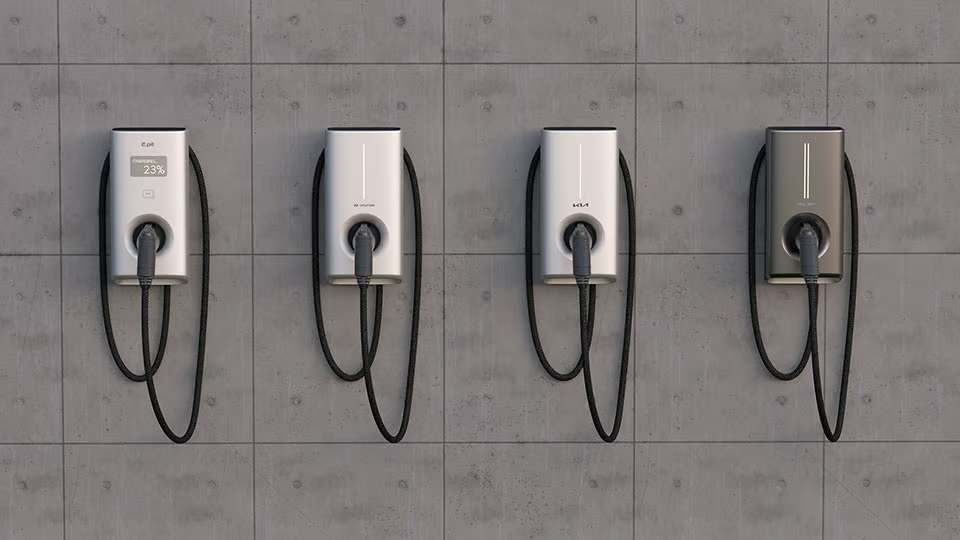
Hyundai’s new AC charger targets the everyday plug-in routine
Overseas announcementA unified charger for Hyundai, Kia and Genesis is planned for Korea in 2027, with NZ availability unconfirmed.
CarWatch Admin ·
News
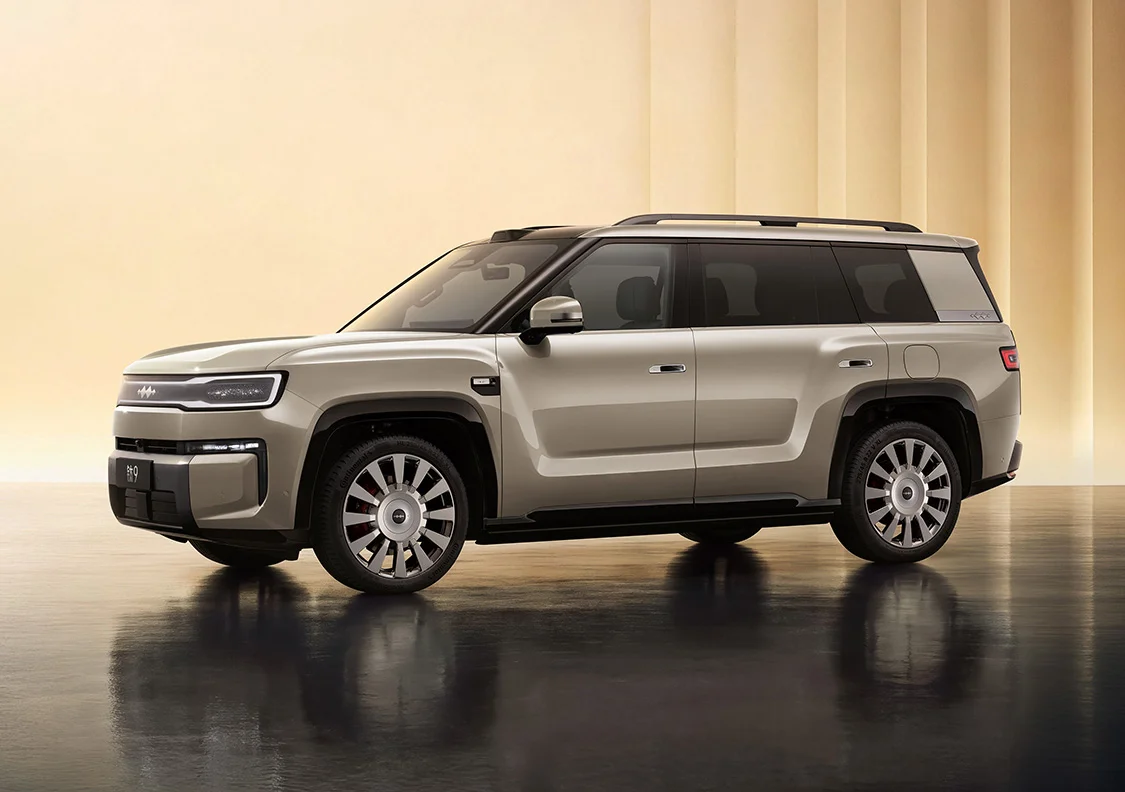
BYD’s Tai 9 puts a folding steering wheel into a production SUV
Overseas announcementThe China-market plug-in hybrid can clear space for its driver to recline while parked. New Zealand availability is unconfirmed.
CarWatch Admin ·