
Rice’s 0.2-second graphite flash targets faster EV charging
A new laboratory process improves graphite's fast-rate performance. The paper's capacity figures explain why that is not a four-minute production-EV charging claim.
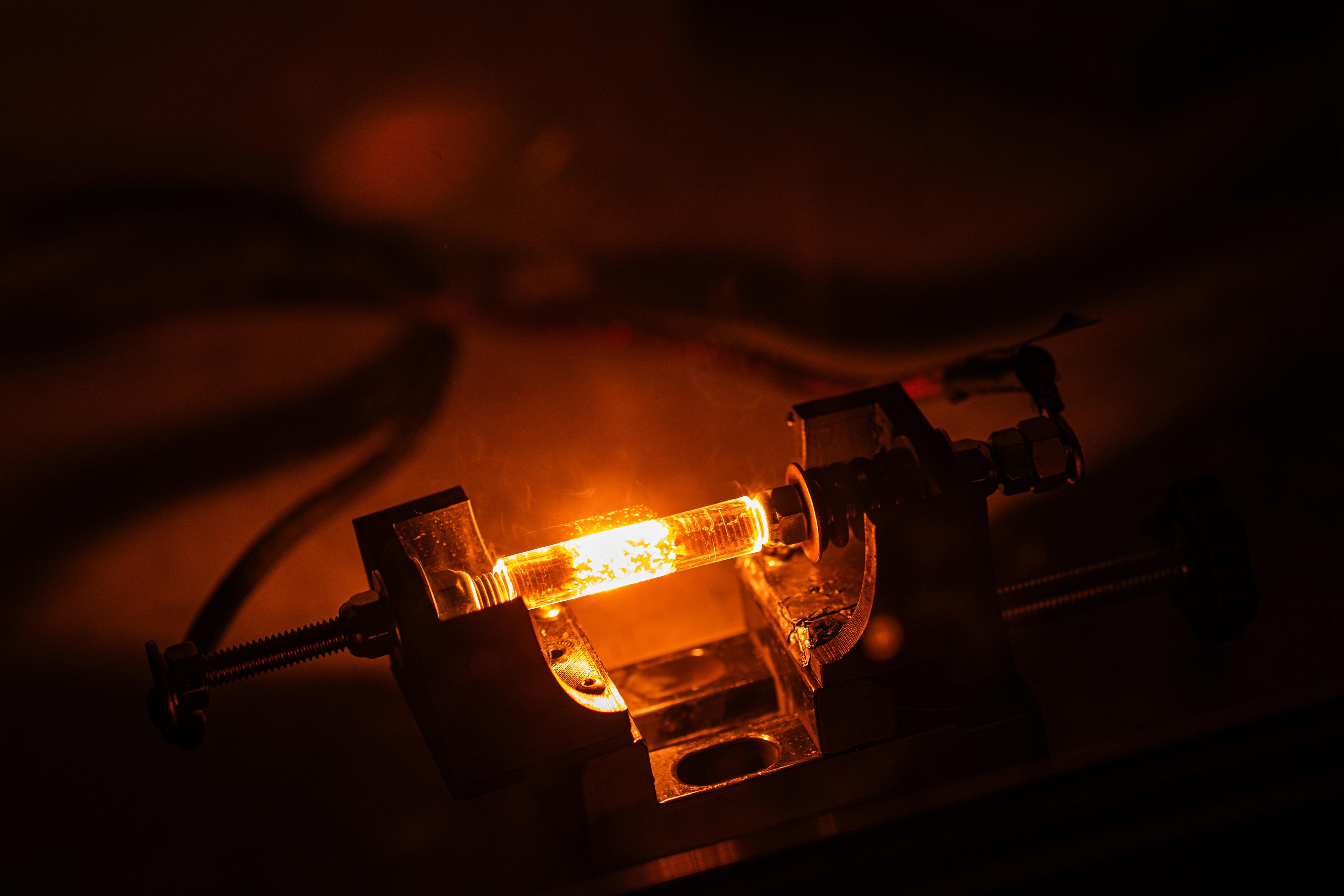
A brief flash of intense heat could help tackle one of the less visible obstacles to faster EV charging: how easily lithium ions can enter the graphite inside a battery.
Rice University has announced new research into making synthetic graphite with a powerful electrical pulse lasting about 0.2 seconds. The work, published online in Advanced Materials on 19 November and publicised by Rice on 23 November, is laboratory research. It is not an announcement of a production EV battery or a New Zealand launch.
The interesting part is both the manufacturing shortcut and what the tests actually measured.
A flash, a little nickel and a different structure
Graphite is commonly used in the anode, the electrode into which lithium ions move during charging. If those ions cannot enter quickly enough, simply providing a more powerful charger does not solve the material's limitation.
First author Haojie Zhu and the Rice team added a small amount of nickel compound to petroleum coke, a carbon-rich residue from oil refining. An electrical pulse briefly heated the mixture to around 2,500°C. Nickel helped the carbon organise into layered graphite, with slightly wider spacing between layers to improve access for lithium.
Rice says the benefits persisted after more than 99 per cent of the residual nickel was removed. That points to the structure created during processing as the important contribution, rather than just leaving nickel in the finished material.
What the four-minute rate means
The paper's abstract reports a reversible capacity of 347.4mAh per gram at 0.25C, compared with 158.8mAh per gram at 15C. This measures the electrical charge stored and released per gram of active material, rather than the kilowatt-hour capacity of an EV pack.
A 15C current rate is conventionally described as a four-minute rate, because one hour divided by 15 is four minutes. But the reported capacity at that fast rate was less than half the slower-rate result. The useful distinction is that sustaining a high test current does not demonstrate refilling a car's entire usable battery in that time.
The authors also report 80 per cent capacity retention after 1,000 cycles. That is a research result, rather than a production-car battery warranty or a prediction of kilometres on New Zealand roads.
Why it is worth watching from New Zealand
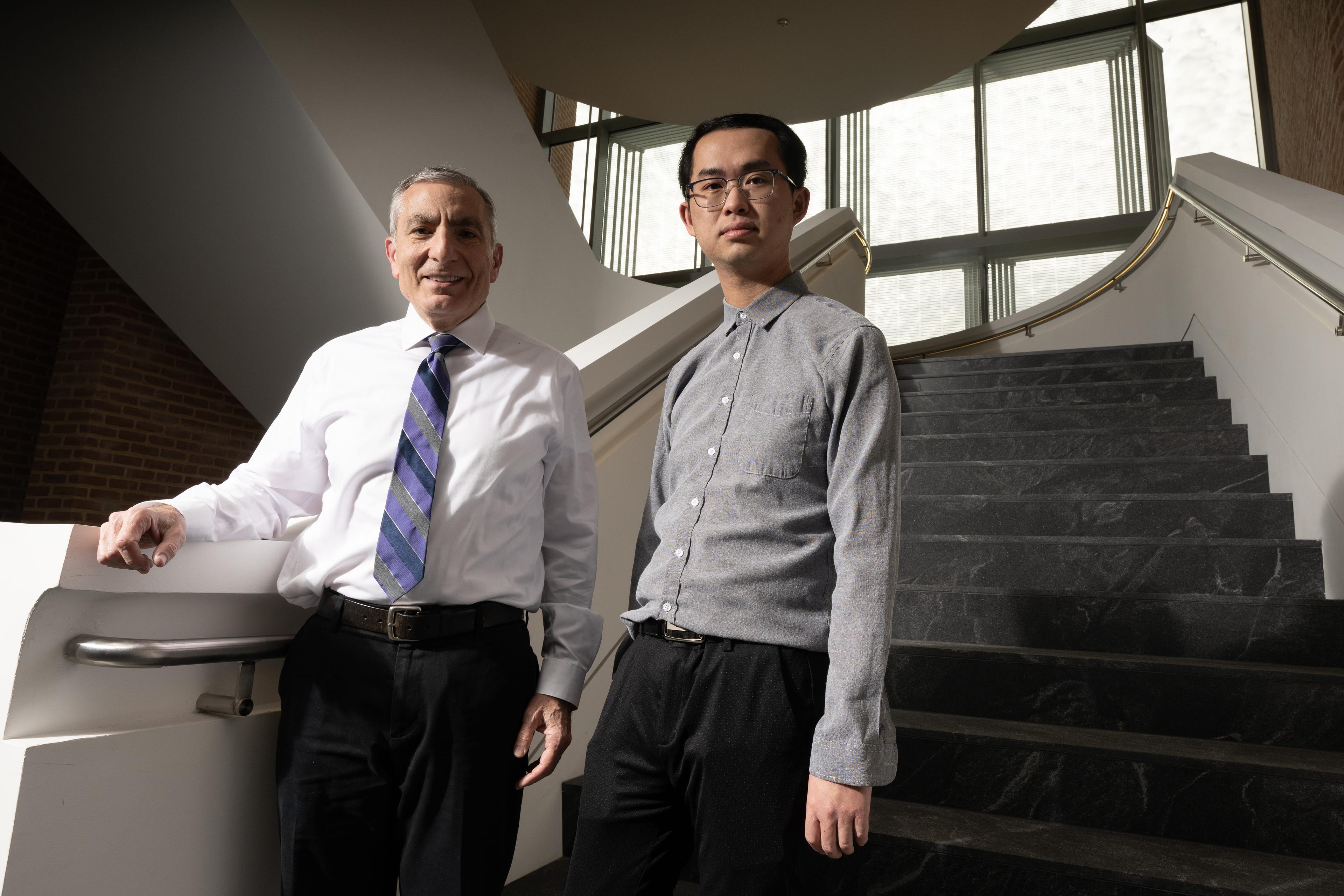
Flash Joule heating is an established area of work in the Tour laboratory: Rice's 2024 reporting describes using electrical heating for a separate silicon-carbide recycling experiment. The archive photographs here illustrate that broader research, not the new graphite tests.
For EV buyers, the next questions are about complete cells, pack-level performance and manufacturing at scale. A promising anode still has to work with the rest of a battery and a vehicle's charging system.
No vehicle model, retail battery price or NZ availability has been identified in the cited announcements. The result gives researchers another route to explore, while the capacity figures provide a useful check on the four-minute headline.
Explainer · Spotted an error? Tell us. Read our editorial policy.
Related stories
News
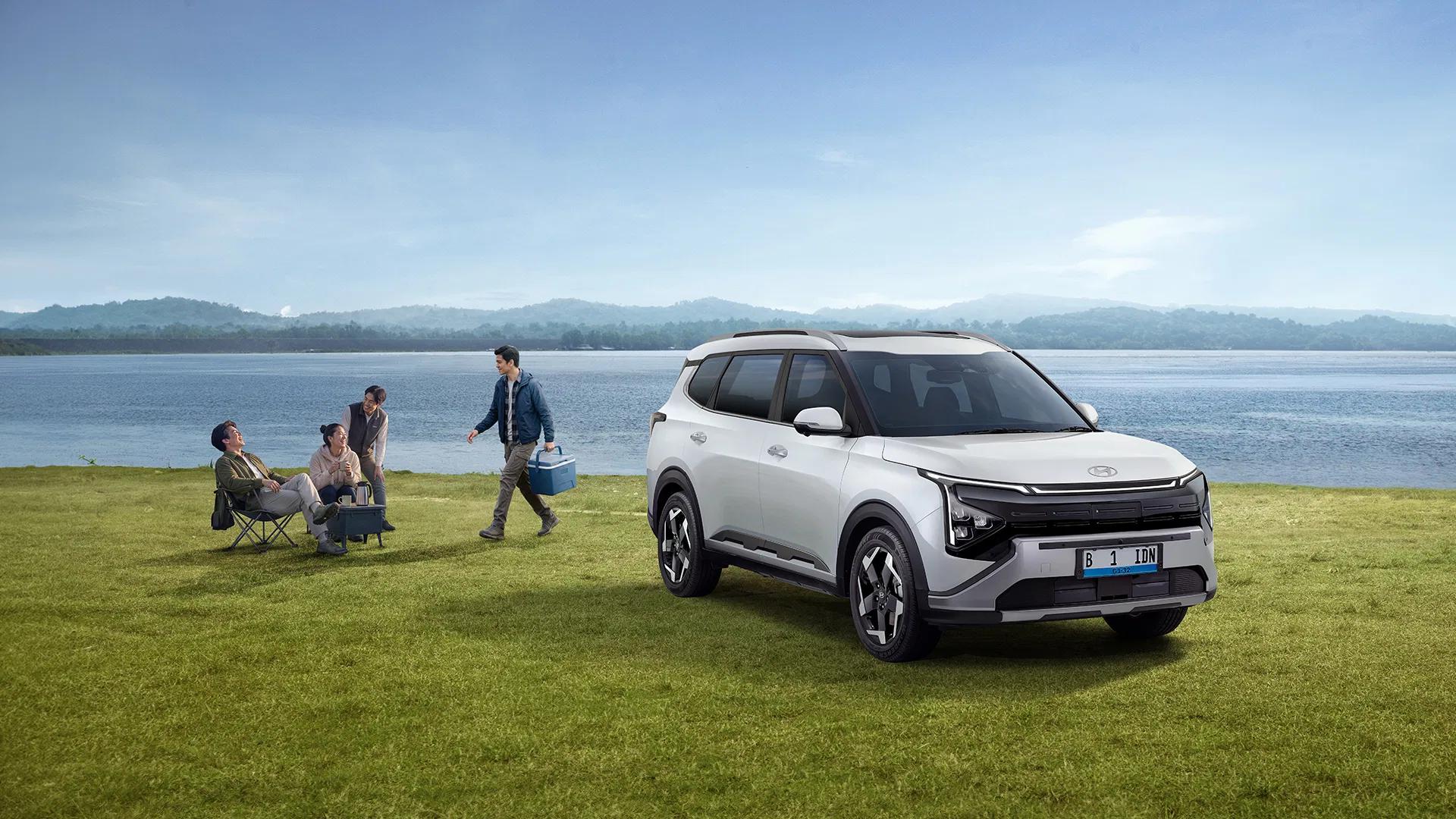
Hyundai Neira opens Indonesian bookings for a three-row electric family SUV
Overseas announcementThe seven-seat EV pairs 200mm ground clearance with familiar Hyundai cabin technology. New Zealand availability has not been confirmed.
CarWatch Admin ·
News
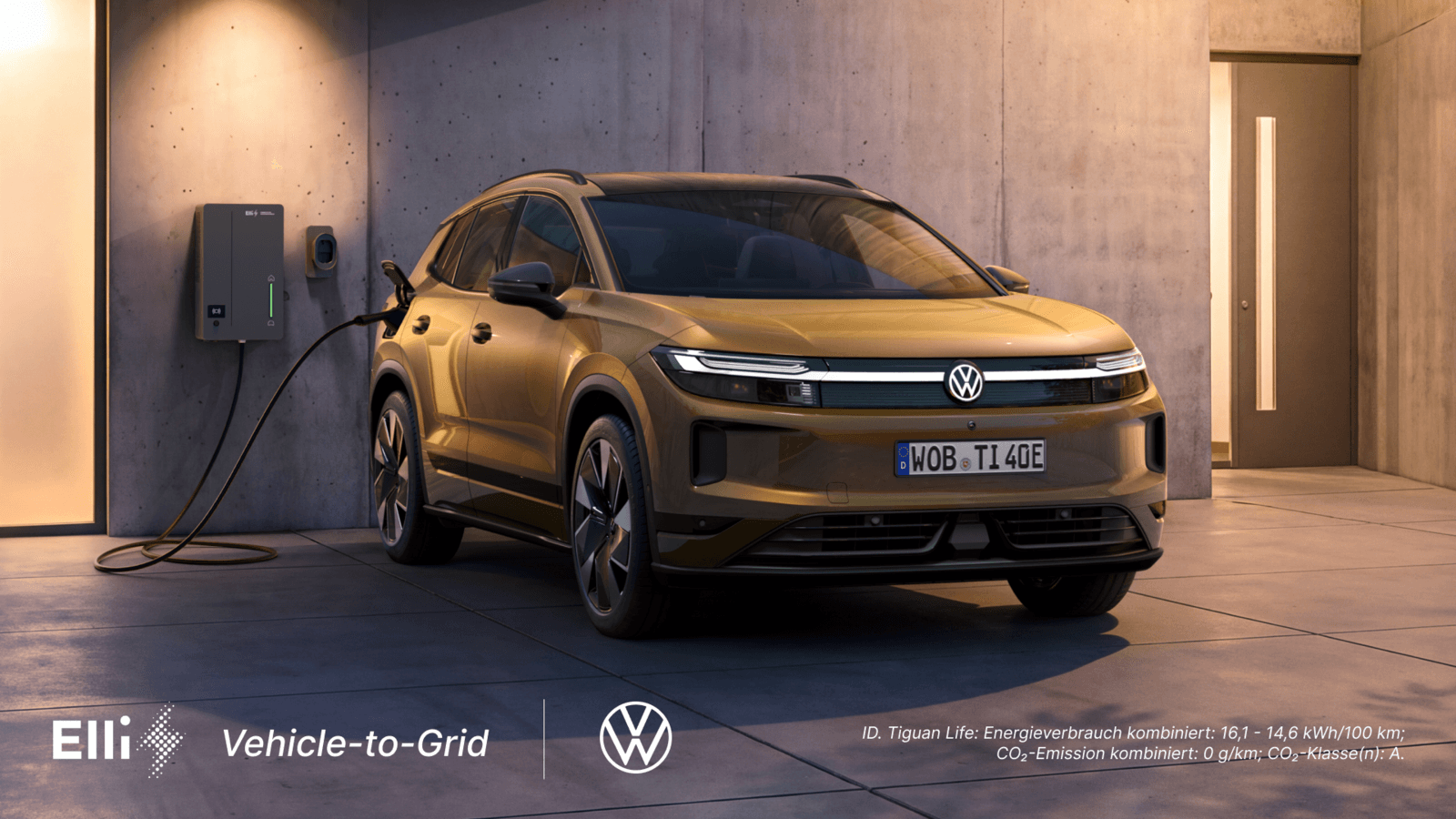
VW and Elli put a price on two-way charging in Germany
Overseas announcementA December V2G launch pairs a €1,995 charger with conditional connection payments. The package is not confirmed for NZ.
CarWatch Admin ·
News
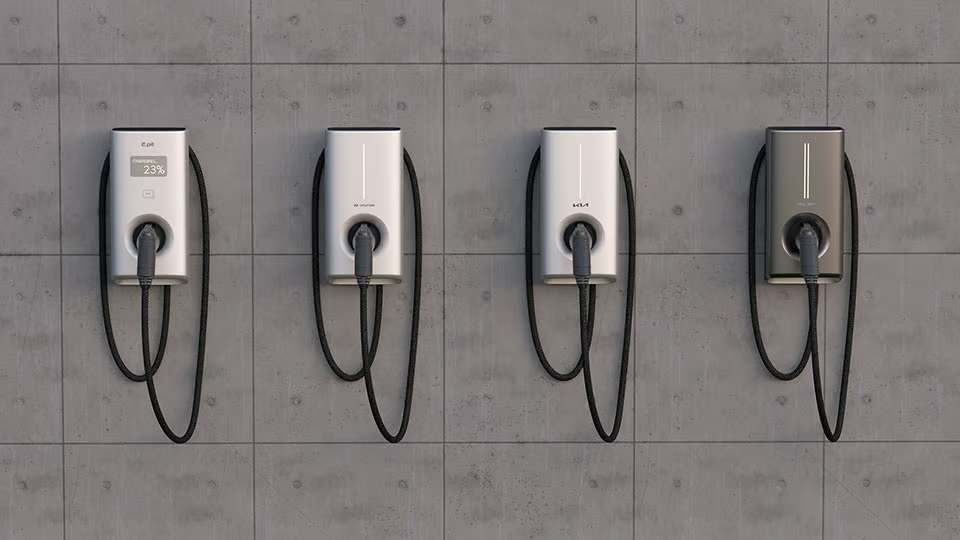
Hyundai’s new AC charger targets the everyday plug-in routine
Overseas announcementA unified charger for Hyundai, Kia and Genesis is planned for Korea in 2027, with NZ availability unconfirmed.
CarWatch Admin ·
News
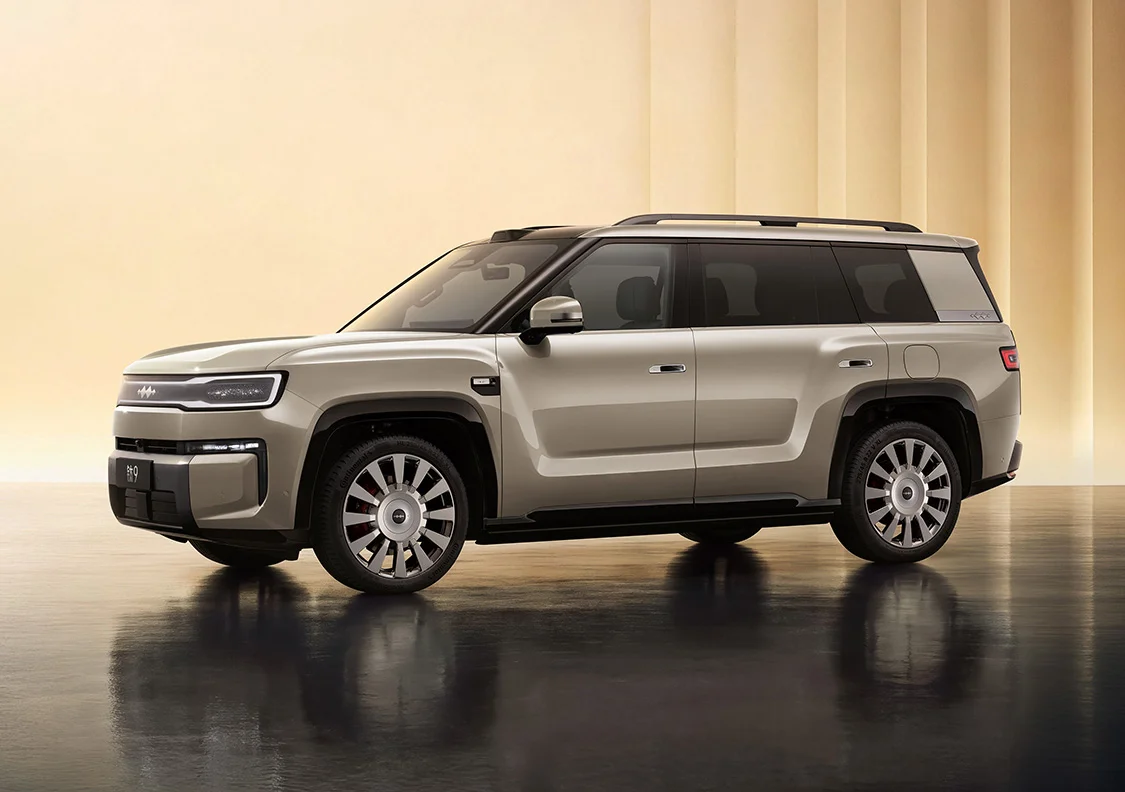
BYD’s Tai 9 puts a folding steering wheel into a production SUV
Overseas announcementThe China-market plug-in hybrid can clear space for its driver to recline while parked. New Zealand availability is unconfirmed.
CarWatch Admin ·