
Mercedes has a radical new idea for electric car batteries
Mercedes-Benz is developing software-controlled power converters that could change how EV batteries deliver power, potentially allowing more flexible and efficient 800-volt systems.
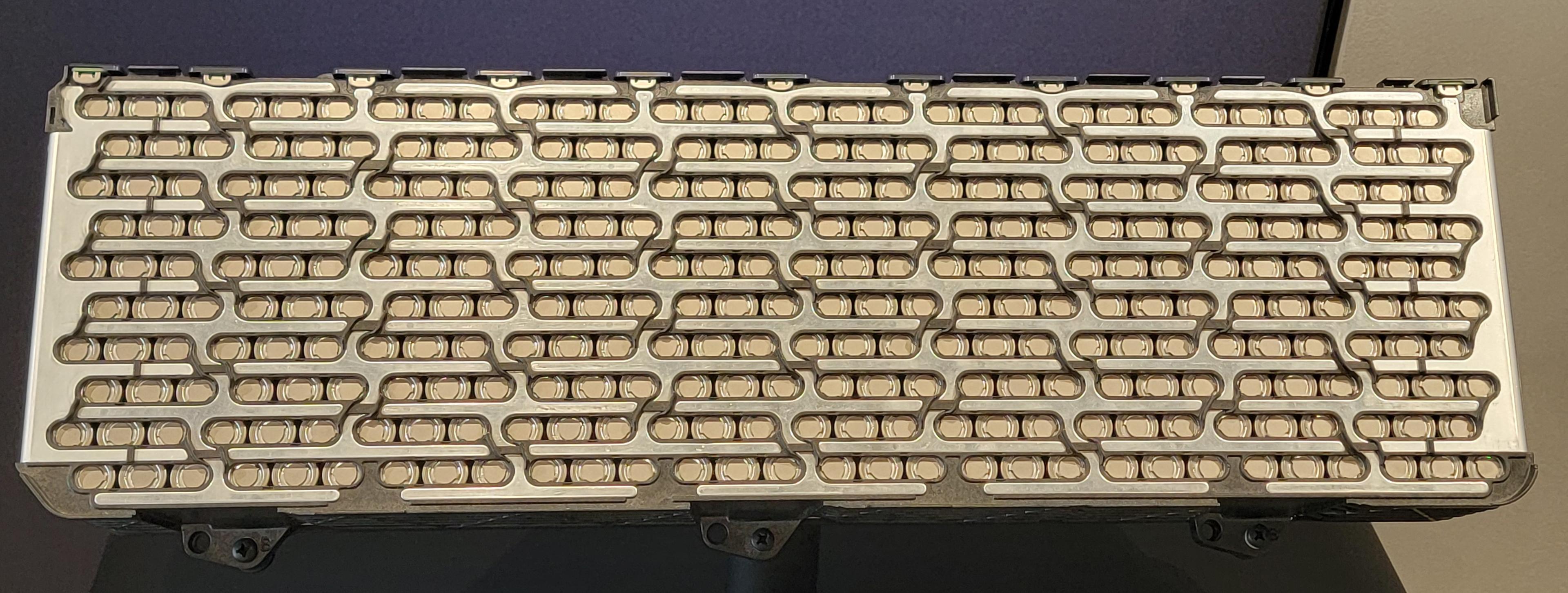
Mercedes-Benz has revealed new research into a power converter that could fundamentally change the way electric vehicles manage electricity from their battery packs.
Announced on 3 November 2026, the technology uses programmable micro-converters to regulate the flow of energy from individual battery cells or groups of cells. Rather than relying on a battery pack's conventional series arrangement to establish its output voltage, the system could use software-controlled electronics to deliver a stable high-voltage supply.
It is an ambitious idea, although Mercedes is presenting it as technology under development, not something already fitted to a production car.
What makes this different?
In a conventional EV battery, cells are arranged into modules and packs to deliver the voltage needed by the vehicle's powertrain. The electrical characteristics of that arrangement influence how the battery and its associated power electronics must be designed.
Mercedes' proposed approach places smaller power converters closer to the cells themselves. Multiple converters can work together to regulate their individual energy flows and supply a constant high-voltage DC output.
Mercedes says its research can maintain an output of up to 800 volts regardless of differences in the cells' state of charge or ageing. That could give engineers more freedom to design batteries around different cell types and layouts without being as constrained by a fixed series-connected architecture.
A converter that does more than one job
The company says the current generation of its power-converter technology delivers up to 3kW and supports both AC and DC applications.
That 3kW figure is important context: it is a present development-stage power rating, not evidence that the system can already supply the full traction power required by a modern electric car.
Mercedes envisages scaling output by operating multiple converters in parallel. In future, it believes the architecture could combine functions that currently require separate components, potentially including AC/DC conversion and support for bidirectional charging such as vehicle-to-home or vehicle-to-grid.
The potential advantages include more compact electronics, flexible battery layouts and improved efficiency. Mercedes has not, however, published a production-vehicle range gain or efficiency percentage for the technology in this announcement.
Why this matters for EV owners
Battery innovation is not just about making cells hold more energy. It is also about how efficiently and consistently a vehicle can use that energy as its battery charges, discharges and ages.
If the approach proves practical at automotive scale, it could eventually help manufacturers build EVs with more adaptable high-voltage systems. It might also simplify the integration of bidirectional charging, which could allow an EV to supply electricity to a home or grid where compatible equipment and regulations permit.
For New Zealand drivers, those benefits remain a future possibility rather than a feature available to order. Mercedes has not announced a production model, launch date or NZ rollout for this power converter.
What happens next?
The big unanswered questions are how efficiently the technology works at the much higher power levels demanded by a road car, how much it costs to manufacture, and whether its added electronics can meet automotive durability requirements.
For now, Mercedes' announcement is an intriguing look at a possible future EV architecture — not a claim that today's batteries have suddenly been made obsolete.
Source: Mercedes-Benz Media, 3 November 2026.
News · Spotted an error? Tell us. Read our editorial policy.
Related stories
News
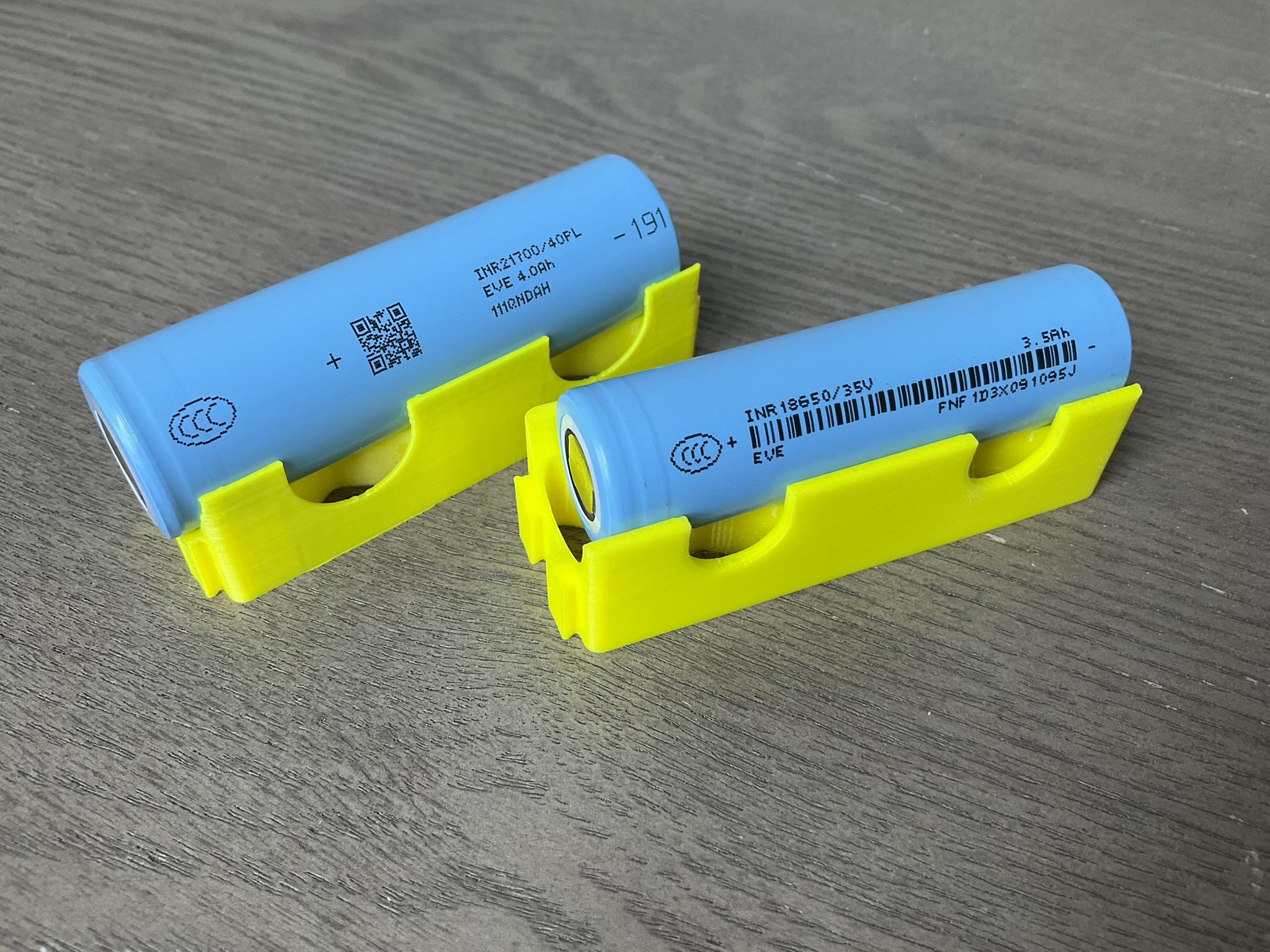
New EV battery technology promises much faster charging
France's Blue Solutions says its experimental lithium-metal battery cells recovered 70% capacity in less than 11.5 minutes, but the result comes from controlled laboratory testing rather than a production EV.
CarWatch Admin ·
News
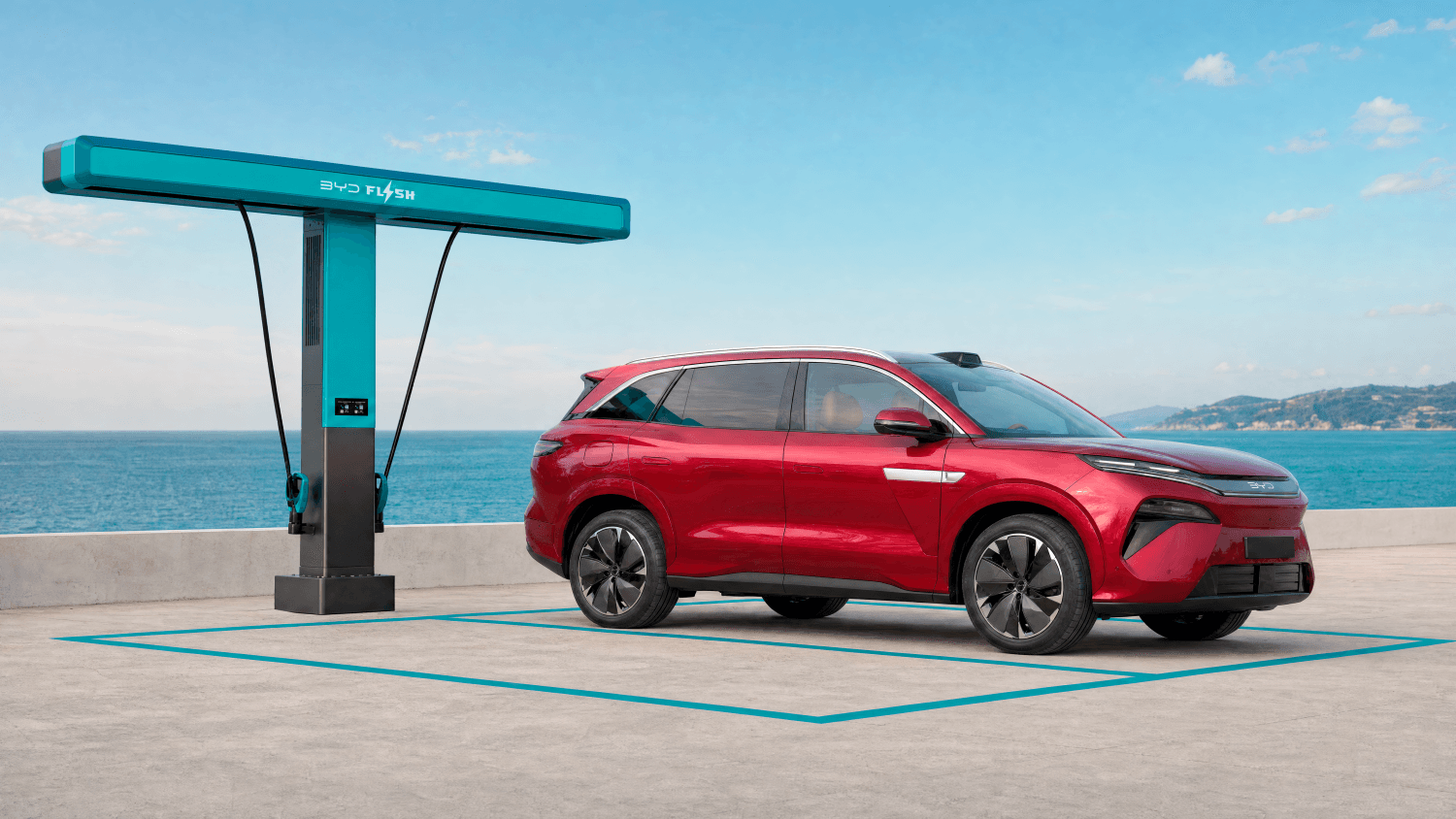
BYD’s seven-seat ATTO 8 brings nine-minute charging claim to Europe
Overseas announcementThe electric SUV pairs a large second-generation Blade Battery with BYD’s fastest charging technology. Here is what the European announcement means, and what Kiwi buyers still need to know.
CarWatch Admin ·
News
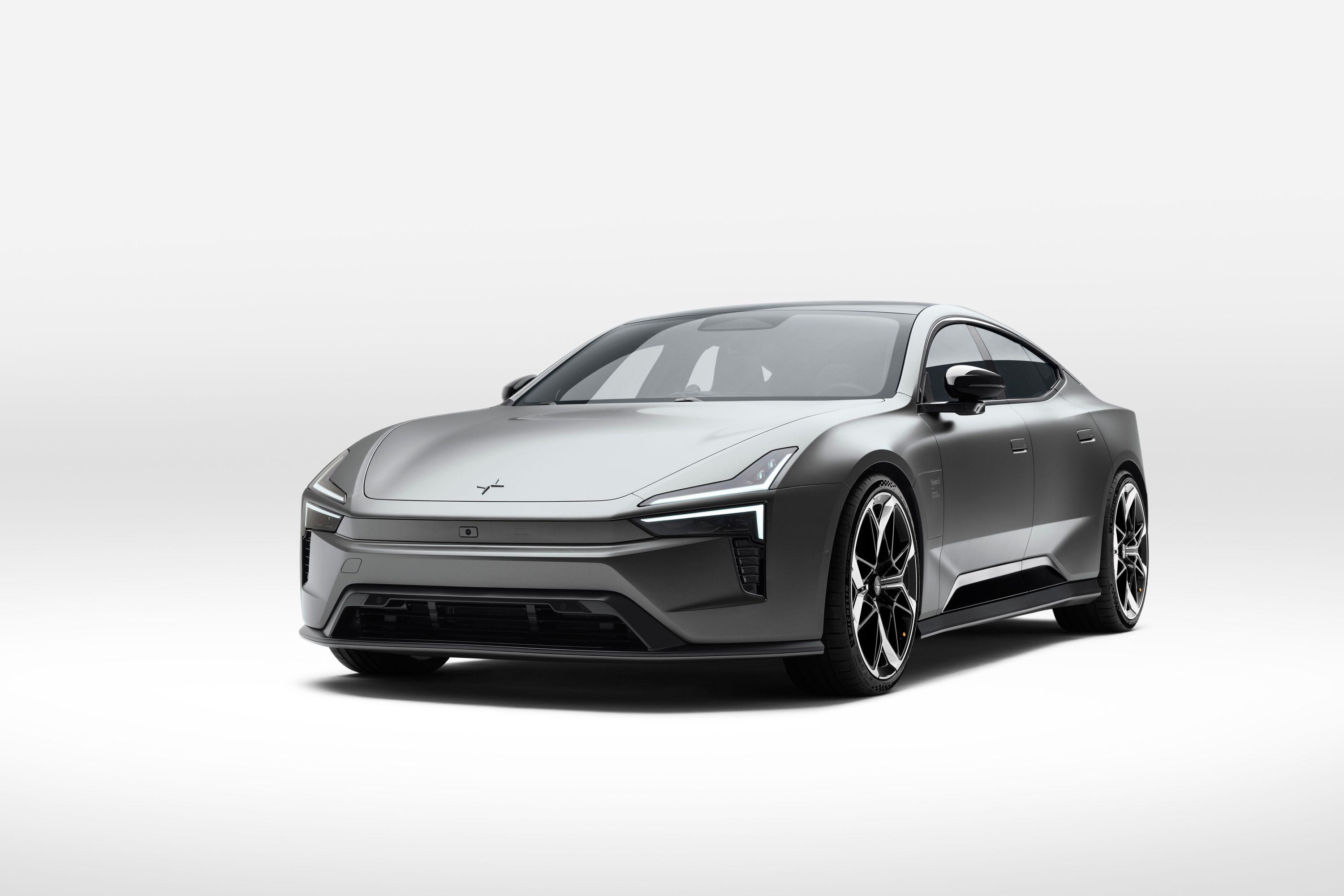
Polestar 5 priced from $239,900 in New Zealand
Confirmed for NZThe electric grand tourer is listed in two launch editions, with up to 650kW and a $30,000 gap between them.
CarWatch Admin ·
News
GWM Haval Jolion Max EV and plug-in hybrid confirmed for New Zealand
Confirmed for NZA larger Jolion is on its way with a choice of electric or plug-in hybrid power. Pricing and final local specifications are still to be announced.
CarWatch Admin ·