
BYD’s seven-seat ATTO 8 brings nine-minute charging claim to Europe
The electric SUV pairs a large second-generation Blade Battery with BYD’s fastest charging technology. Here is what the European announcement means, and what Kiwi buyers still need to know.
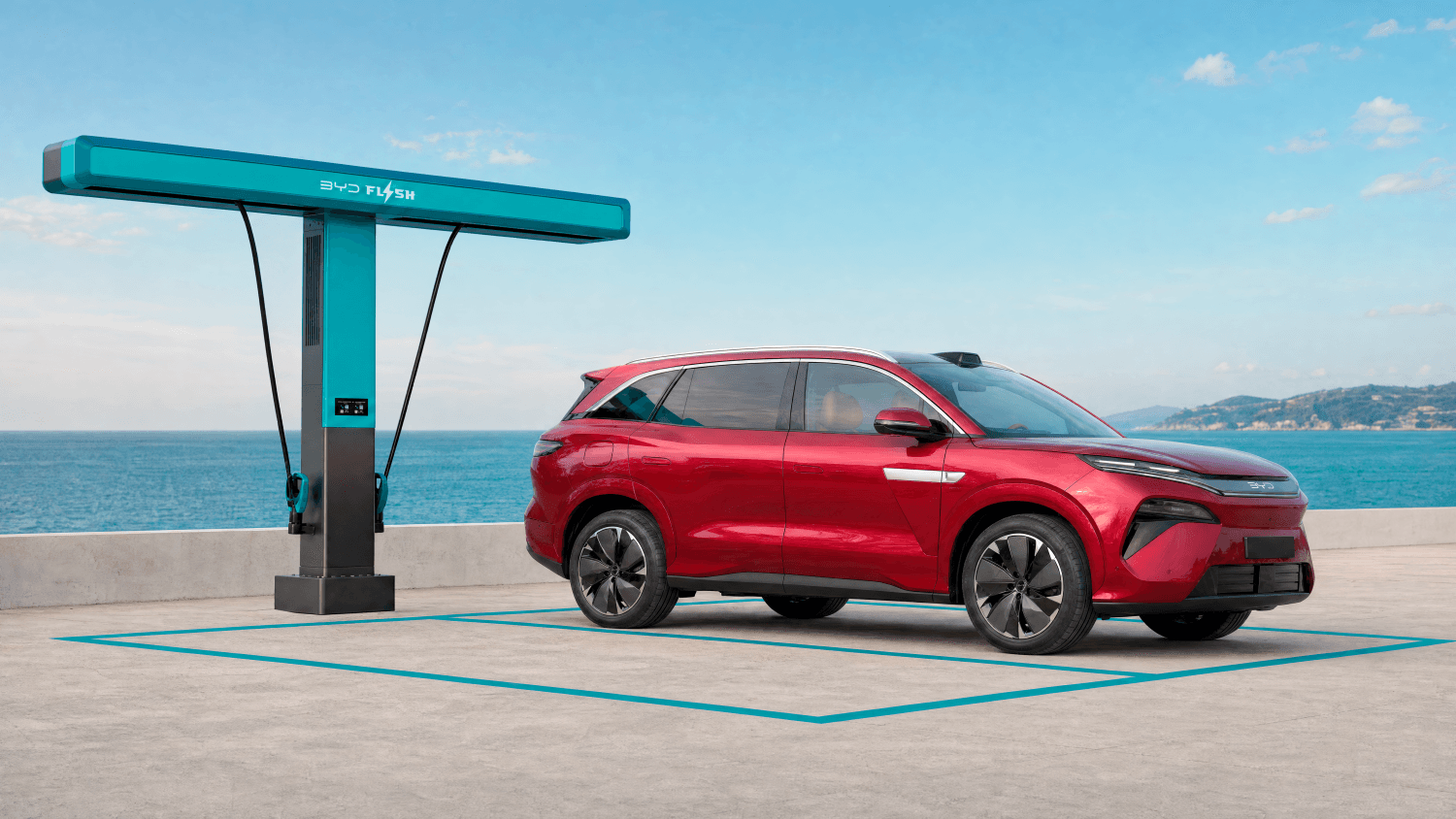
BYD has unveiled a seven-seat electric SUV for Europe with a charging claim that would make even a short coffee stop look leisurely. The ATTO 8 is the first BYD-badged model in that market to use the company’s second-generation Blade Battery and FLASH Charging system.
At the Paris Motor Show in October, BYD said the 115kWh battery could charge from 10 to 70 per cent in five minutes, or 10 to 97 per cent in nine minutes, using the appropriate technology. Those are manufacturer claims, not a promise for every charger or journey.
European dealers are due to begin selling the ATTO 8 in the first quarter of 2027. A New Zealand launch, local specifications and pricing have not been confirmed in the information available to us. The European announcement is nevertheless a useful look at where BYD’s battery and charging technology is heading.
\
Why the charger matters as much as the car\
A battery can only take energy as quickly as the vehicle, charger and conditions allow. Plugging a fast-charging car into a lower-powered station will not reproduce BYD’s headline time. Battery temperature and state of charge also affect the rate during a session.
BYD says its FLASH system combines its latest battery with dedicated high-power charging equipment. Its technical announcement rates the Chinese-market charger at up to 1,500kW through one connector. That figure describes the Chinese specification and should not be assumed to apply to every market or charging session.
The company says a station can use its own energy storage battery, charged more slowly, to help supply the very high power needed when a car plugs in. That can ease the demands placed on the grid connection, although the equipment still has to be installed and supplied with electricity.
\

\
What changed inside the battery?\
The Blade Battery 2.0 retains lithium iron phosphate chemistry, often shortened to LFP. BYD says changes to the electrodes and electrolyte help lithium ions move more readily through the cell, reducing internal resistance and heat generation while allowing faster charging. It also claims a five per cent increase in energy density over the original Blade Battery.
Think of charging as moving lithium ions between two sides of a battery. Making that movement easier can help the battery accept energy quickly, but the headline result depends on the whole system, including cooling and charging hardware. BYD’s performance and durability claims are its own; they are not a substitute for independent long-term testing.
The company also claims a 20 to 97 per cent charge in 12 minutes at minus 30 degrees Celsius. That is a different starting point from the nine-minute claim, so the two times are not directly comparable.
\
A large SUV with a long-range option\
In European specification, the ATTO 8 measures 5,040mm long and has seven seats. BYD lists a rear-wheel-drive Design with a 340kW motor and up to 653km of combined WLTP range. The all-wheel-drive Excellence adds a front motor, with 570kW combined output and a 602km WLTP figure. Both use a 115kWh battery.
WLTP is a standardised test useful for comparison, rather than a guarantee of distance on New Zealand roads. Speed, weather, terrain, loading and other conditions will change the result.
BYD says European buyers will get features including a 15.6-inch central screen, three-zone climate control and heated, ventilated front and outer middle-row seats. The company quotes 270 litres of luggage space with all three rows in use. These are European details and do not establish what a potential local version would include.
\
The New Zealand question\
BYD plans 3,000 FLASH charging stations across Europe by the end of 2027. That is a plan, not a completed network, and the announcement does not establish a New Zealand rollout.
For Kiwi buyers, the practical takeaway is to look beyond a car’s maximum charging number. Check the compatible plug, the power available along regular routes, the quoted charging window and the conditions behind it. The ATTO 8 shows what BYD says its latest system can do, but local availability and infrastructure will determine whether that performance becomes relevant here.
Images: BYD. European-market vehicle shown.
News · Spotted an error? Tell us. Read our editorial policy.
Related stories
News
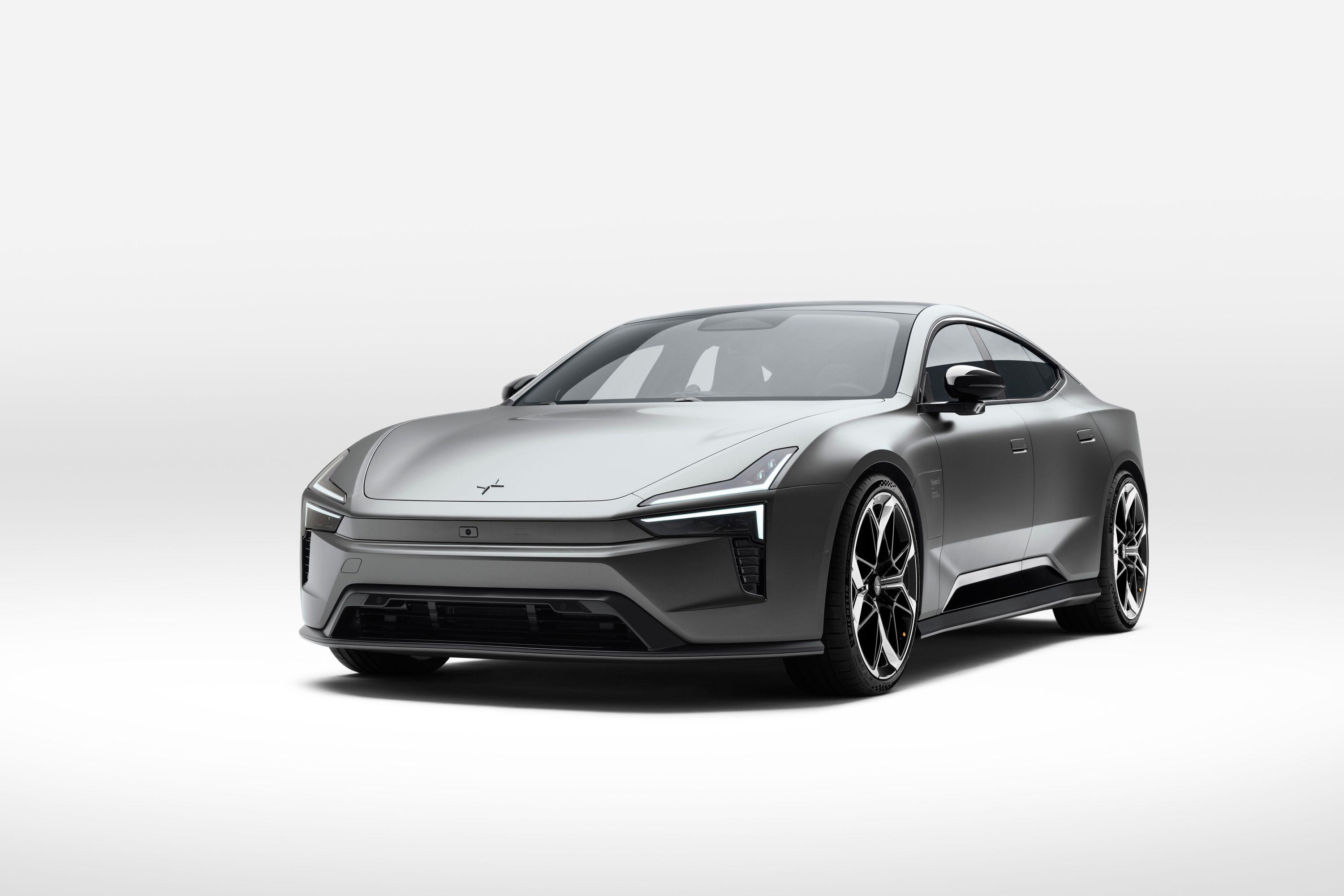
Polestar 5 priced from $239,900 in New Zealand
Confirmed for NZThe electric grand tourer is listed in two launch editions, with up to 650kW and a $30,000 gap between them.
CarWatch Admin ·
News
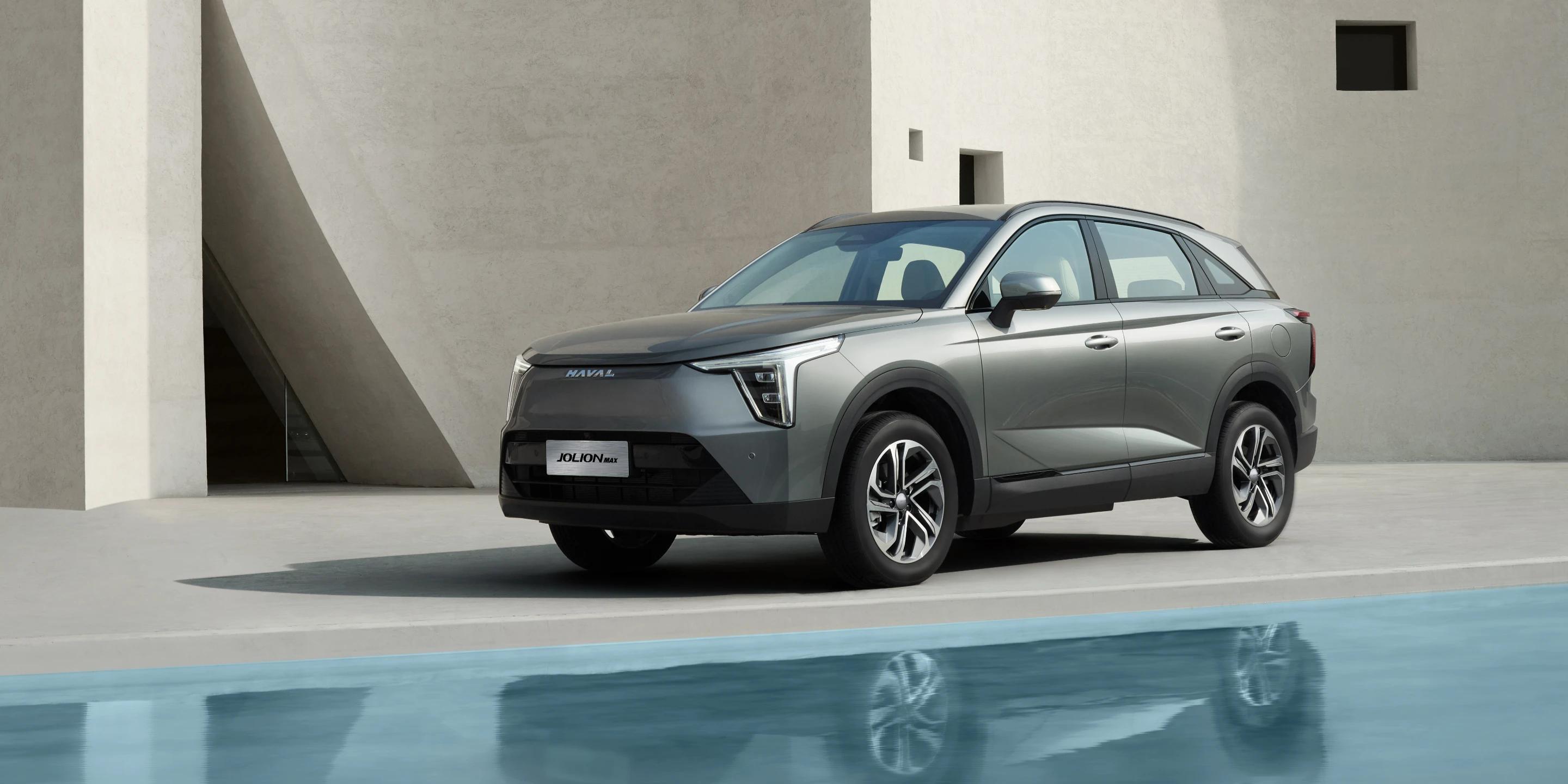
GWM Haval Jolion Max EV and plug-in hybrid confirmed for New Zealand
Confirmed for NZA larger Jolion is on its way with a choice of electric or plug-in hybrid power. Pricing and final local specifications are still to be announced.
CarWatch Admin ·
First Look
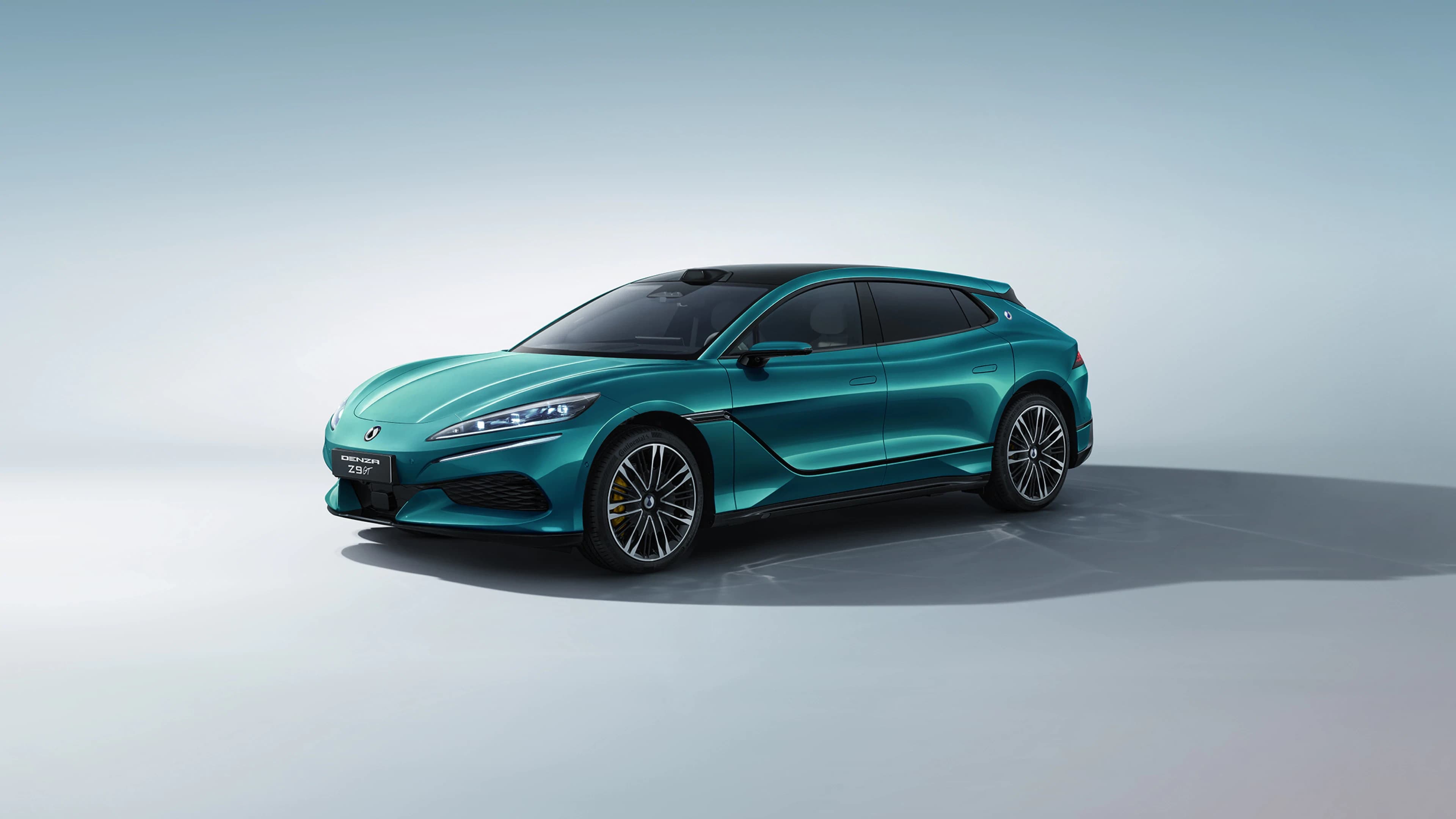
The 850kW Denza Z9GT is coming to NZ, and we’re glad it’s a wagon
Confirmed for NZDenza's electric shooting brake has reached New Zealand ahead of its local launch. For anyone who loves a fast wagon, it is a welcome alternative to another high-performance SUV.
CarWatch Admin ·
News
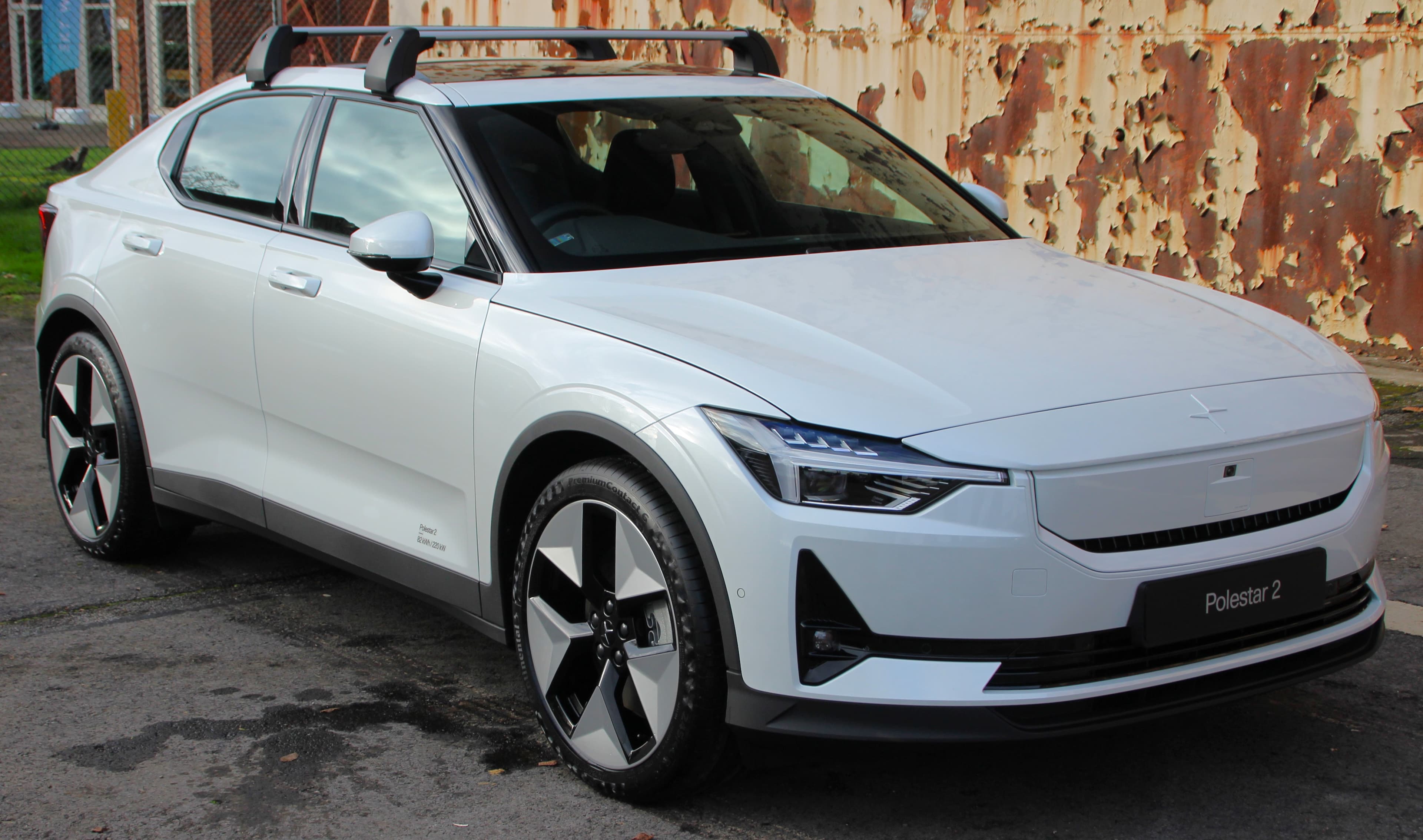
A new Polestar 2 is coming. What could Kiwi buyers expect?
UnconfirmedPolestar is preparing an all-new successor to its electric sedan for a planned global launch in early 2027. New Zealand timing and specifications are yet to be announced.
CarWatch Admin ·