
New EV battery technology promises much faster charging
France's Blue Solutions says its experimental lithium-metal battery cells recovered 70% capacity in less than 11.5 minutes, but the result comes from controlled laboratory testing rather than a production EV.
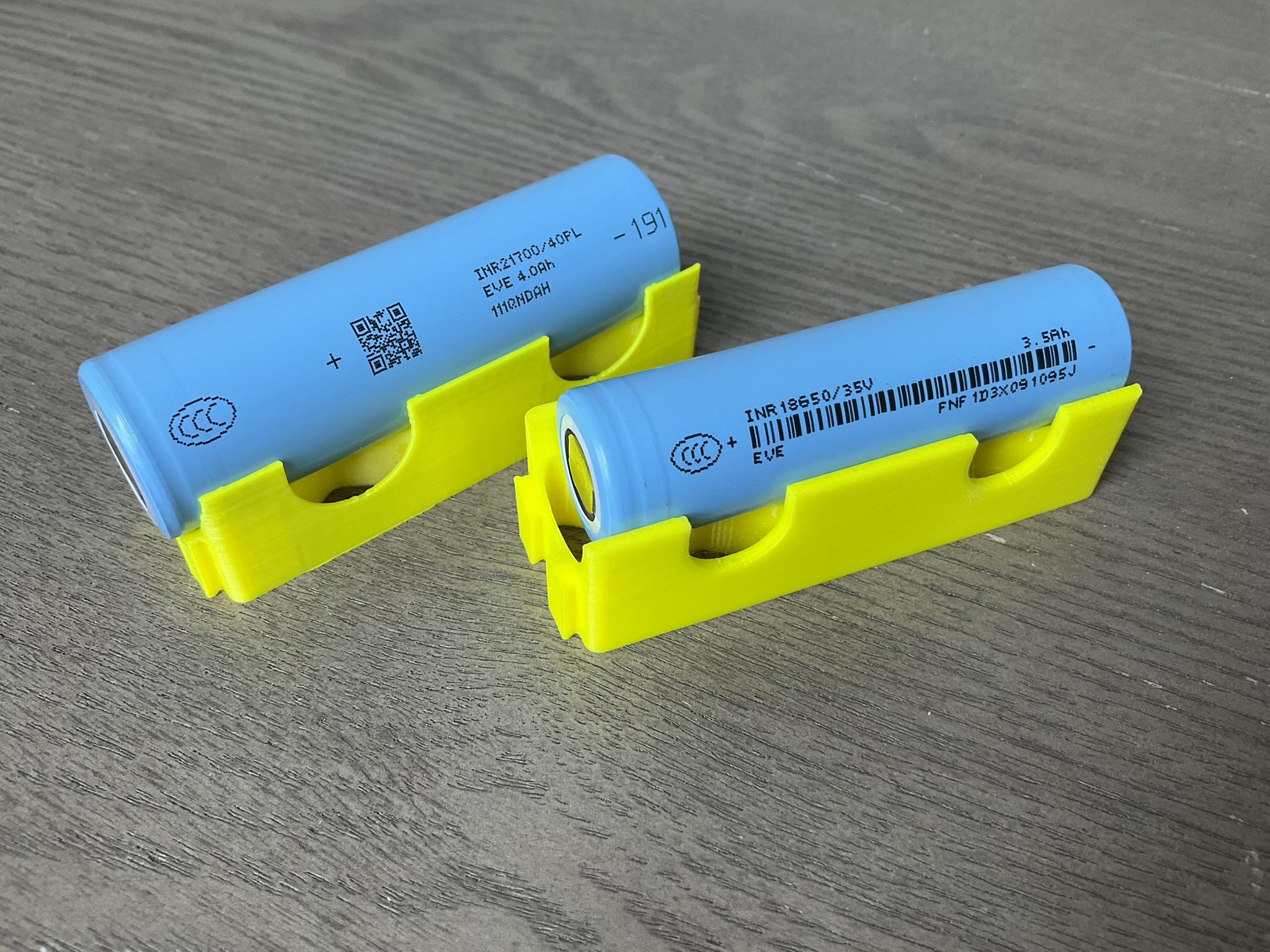
A French battery developer has reported promising new fast-charging results from its next-generation lithium-metal cells, offering another glimpse of how electric vehicles might eventually spend less time plugged in.
Blue Solutions says its GEN4 battery technology recovered 70% of cell capacity in under 11.5 minutes during testing at 40°C. It is a notable laboratory result, but it does not mean a production electric car can yet add 70% charge in that time.
What did Blue Solutions actually test?
The company tested 10Ah lithium-metal NMC pouch cells under controlled conditions, including temperatures of 25°C and 40°C and an applied pressure of 6 bar.
At 40°C, Blue Solutions reports recovering 70% of capacity in less than 11.5 minutes at a charging rate of 3.6C. At 25°C, its published charging time was 14 minutes at 3.0C.
In a separate test using a sustained 4C charging rate, the cells recovered 65% capacity at 40°C and 57% at 25°C. Those are distinct test results and should not be confused with the 70% headline figure.
These results were published on 2 November 2026.
Why lithium-metal batteries matter
Lithium-metal battery designs aim to store more energy for a given weight than many conventional lithium-ion designs. Blue Solutions is developing GEN4 as a solid-state battery technology, with a focus on energy density, charging speed and durability.
In an earlier October development update, the company reported an energy density of 404Wh/kg for an NMC configuration. It also said 10Ah development cells had approached 900 charge-discharge cycles while retaining more than 80% capacity under specified test conditions.
Blue Solutions says comparable cycle-life findings on smaller 1Ah cells were independently validated by Fraunhofer ISE. That does not mean the latest 11.5-minute charging result has been independently verified.
Does this mean 11-minute charging is coming to NZ?
Not yet. The results relate to small experimental cells, rather than a full automotive battery pack in a road-going vehicle.
A complete EV battery must manage temperature, pressure, safety, electrical connections and charging power across thousands of cells or their equivalent. The vehicle and charger also need to support the required power levels.
The test conditions matter, too: the headline result was achieved at 40°C and under 6 bar of pressure. Engineers will need to show how the technology performs in a production-sized pack, over many years of use and in different climates.
For New Zealand motorists, this is therefore an indication of possible future technology, not a new charging speed available at local public chargers.
Could it improve driving range too?
Potentially. Blue Solutions says its GEN4 technology is intended to deliver energy densities above 400Wh/kg, which could allow more energy to be stored without proportionately increasing battery weight.
The company has suggested potential range improvements of up to 50% compared with existing approaches, but such gains depend on the reference battery, vehicle design and how the technology is packaged. They are not a verified 50% range increase in a production car.
The next hurdle is commercialisation
The combination of fast charging, high energy density and encouraging durability results makes GEN4 worth watching. But scaling from test cells to affordable, reliable automotive packs is a major engineering and manufacturing challenge.
Blue Solutions has not announced a New Zealand vehicle using these cells, nor a confirmed local launch date.
For now, the breakthrough is best understood as promising development data, rather than the arrival of a battery that eliminates charging stops.
Sources: Blue Solutions fast-charging update, 2 November 2026 and October GEN4 development update.
News · Spotted an error? Tell us. Read our editorial policy.
Related stories
News
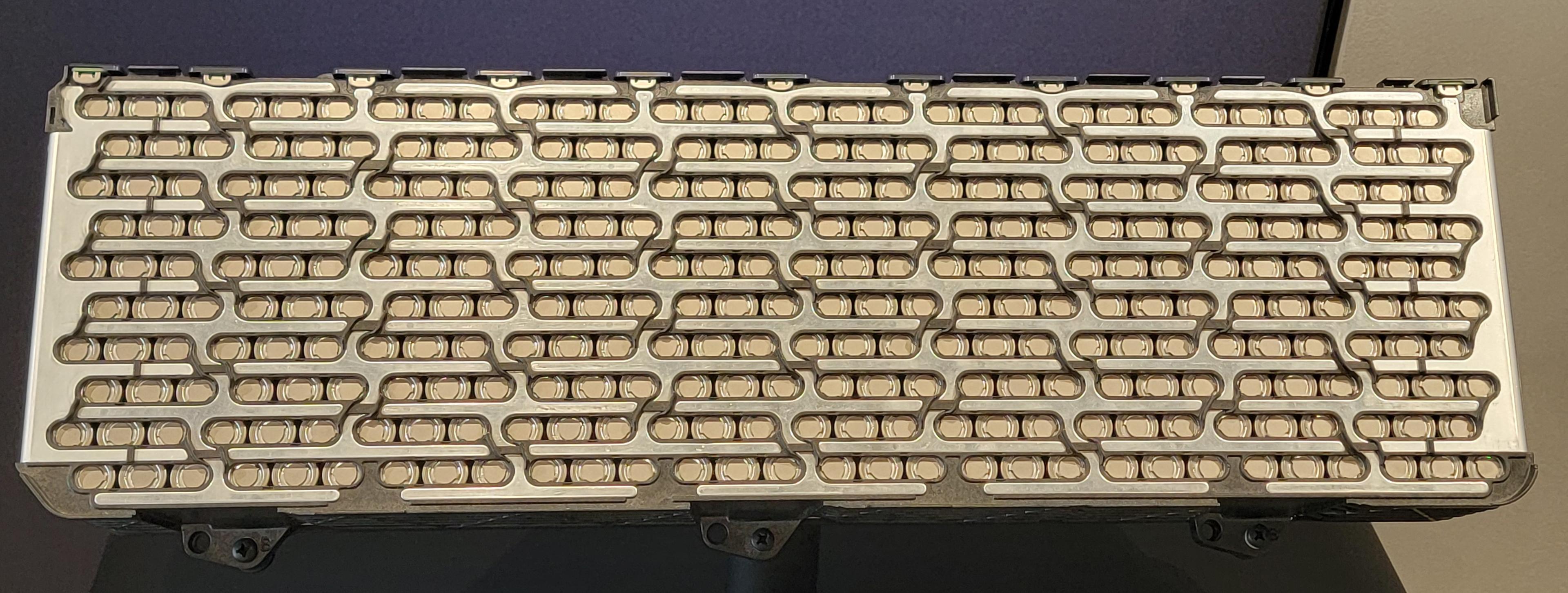
Mercedes has a radical new idea for electric car batteries
Mercedes-Benz is developing software-controlled power converters that could change how EV batteries deliver power, potentially allowing more flexible and efficient 800-volt systems.
CarWatch Admin ·
News
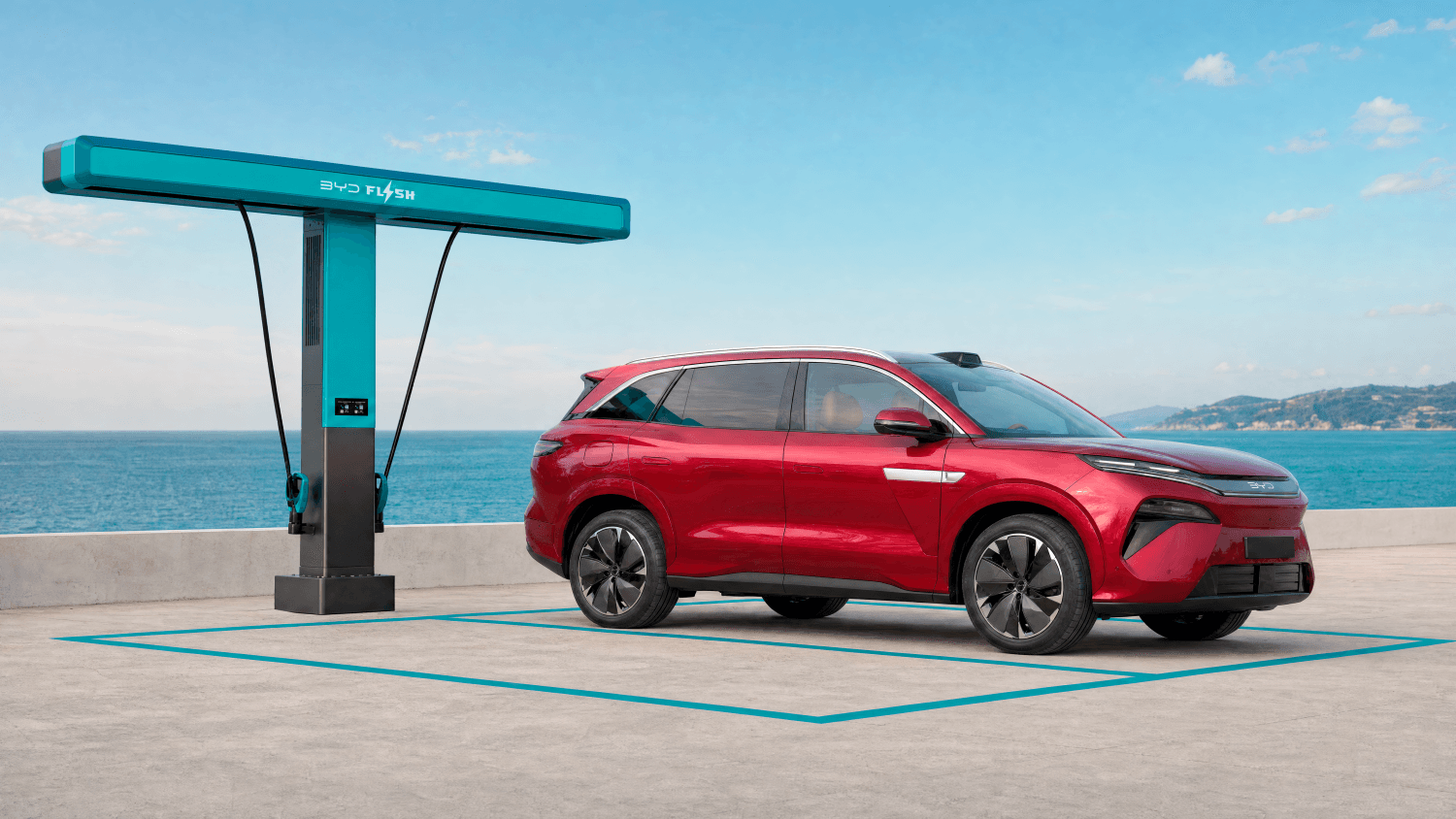
BYD’s seven-seat ATTO 8 brings nine-minute charging claim to Europe
Overseas announcementThe electric SUV pairs a large second-generation Blade Battery with BYD’s fastest charging technology. Here is what the European announcement means, and what Kiwi buyers still need to know.
CarWatch Admin ·
News
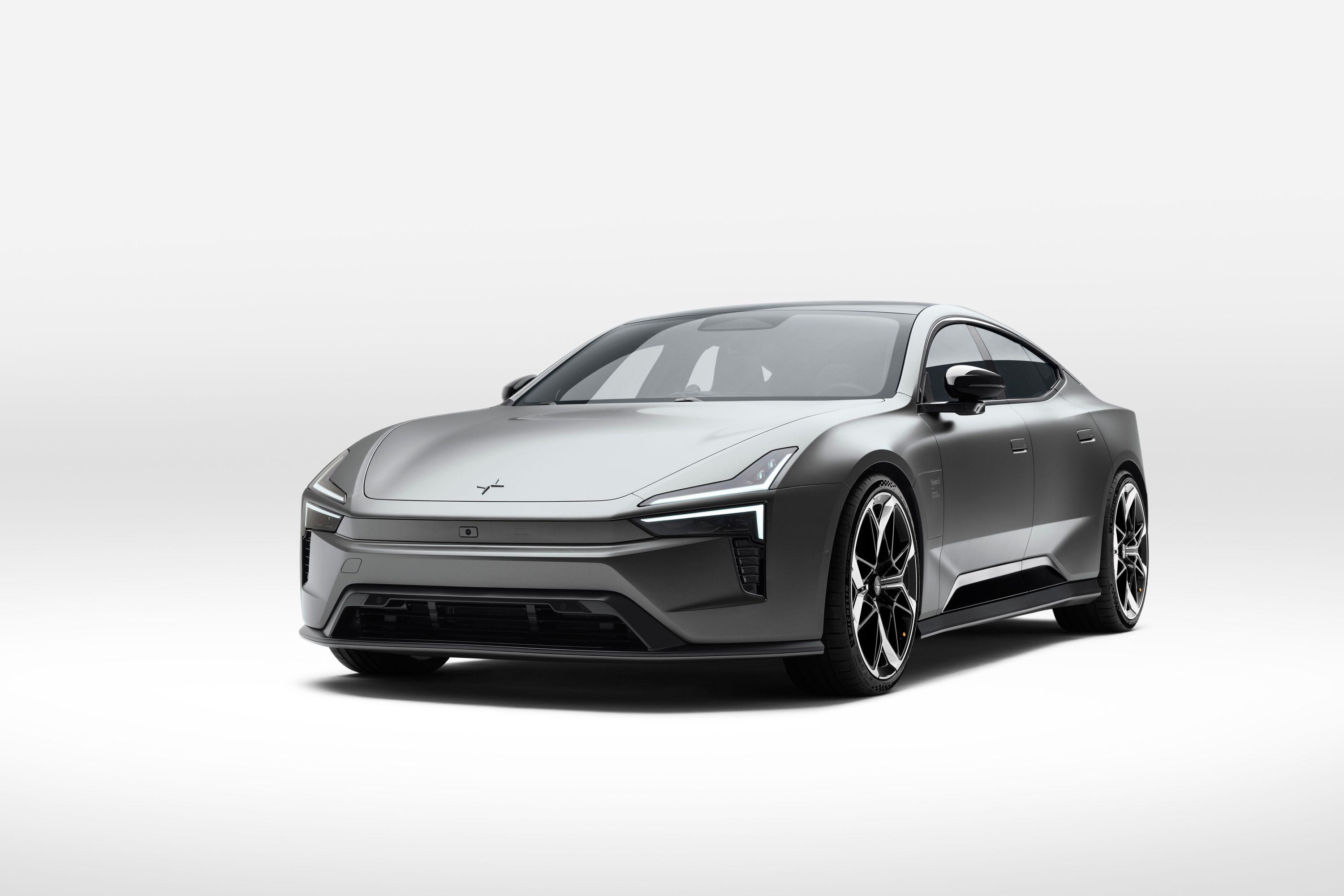
Polestar 5 priced from $239,900 in New Zealand
Confirmed for NZThe electric grand tourer is listed in two launch editions, with up to 650kW and a $30,000 gap between them.
CarWatch Admin ·
News
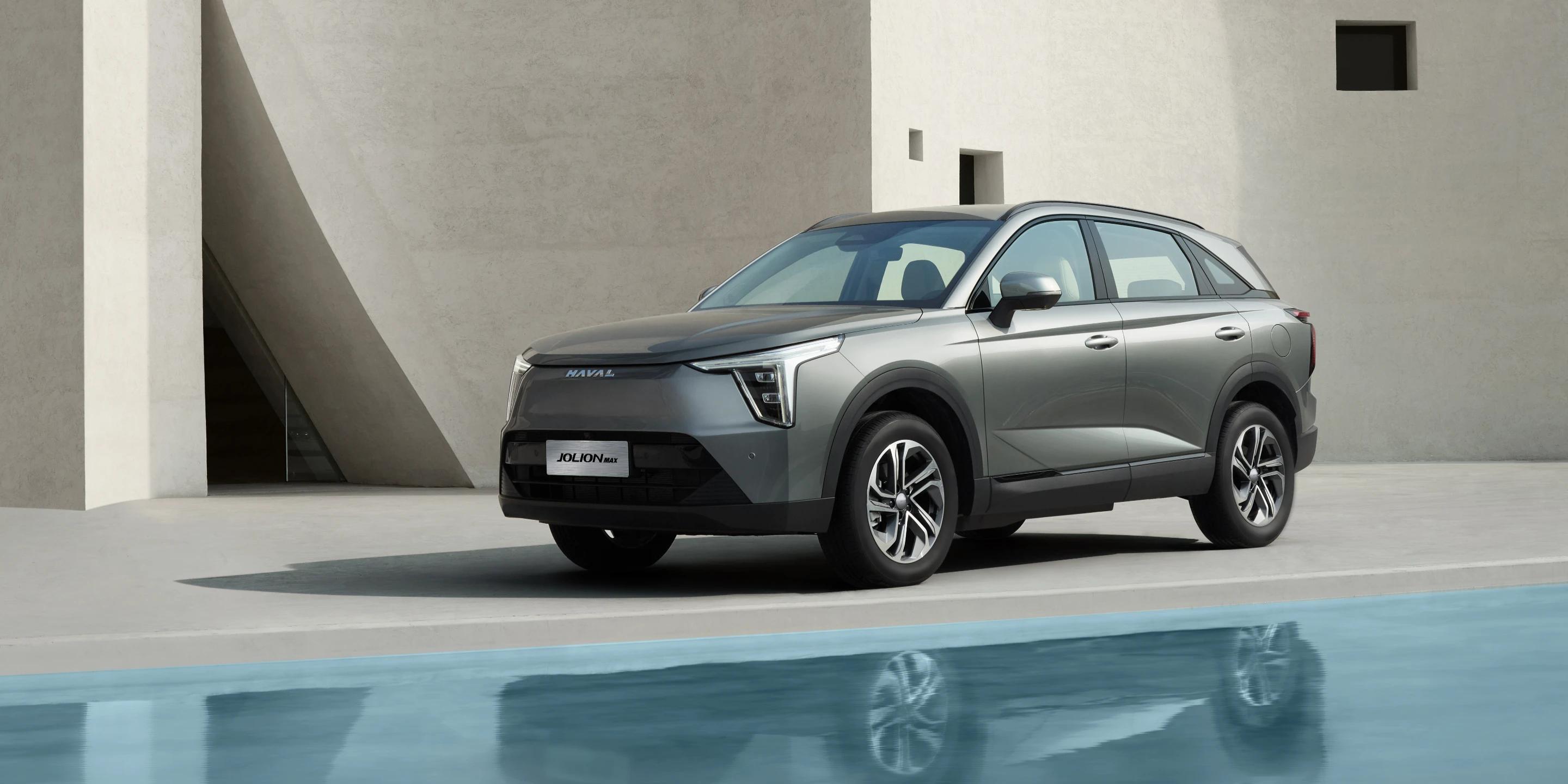
GWM Haval Jolion Max EV and plug-in hybrid confirmed for New Zealand
Confirmed for NZA larger Jolion is on its way with a choice of electric or plug-in hybrid power. Pricing and final local specifications are still to be announced.
CarWatch Admin ·