
GM’s new grid-export pilot puts parked EV batteries to work
Selected California customers will test sending power from compatible GM EVs through their homes to the grid. It is a US pilot, alongside separate work on future AC-based hardware, rather than a New Zealand product launch.
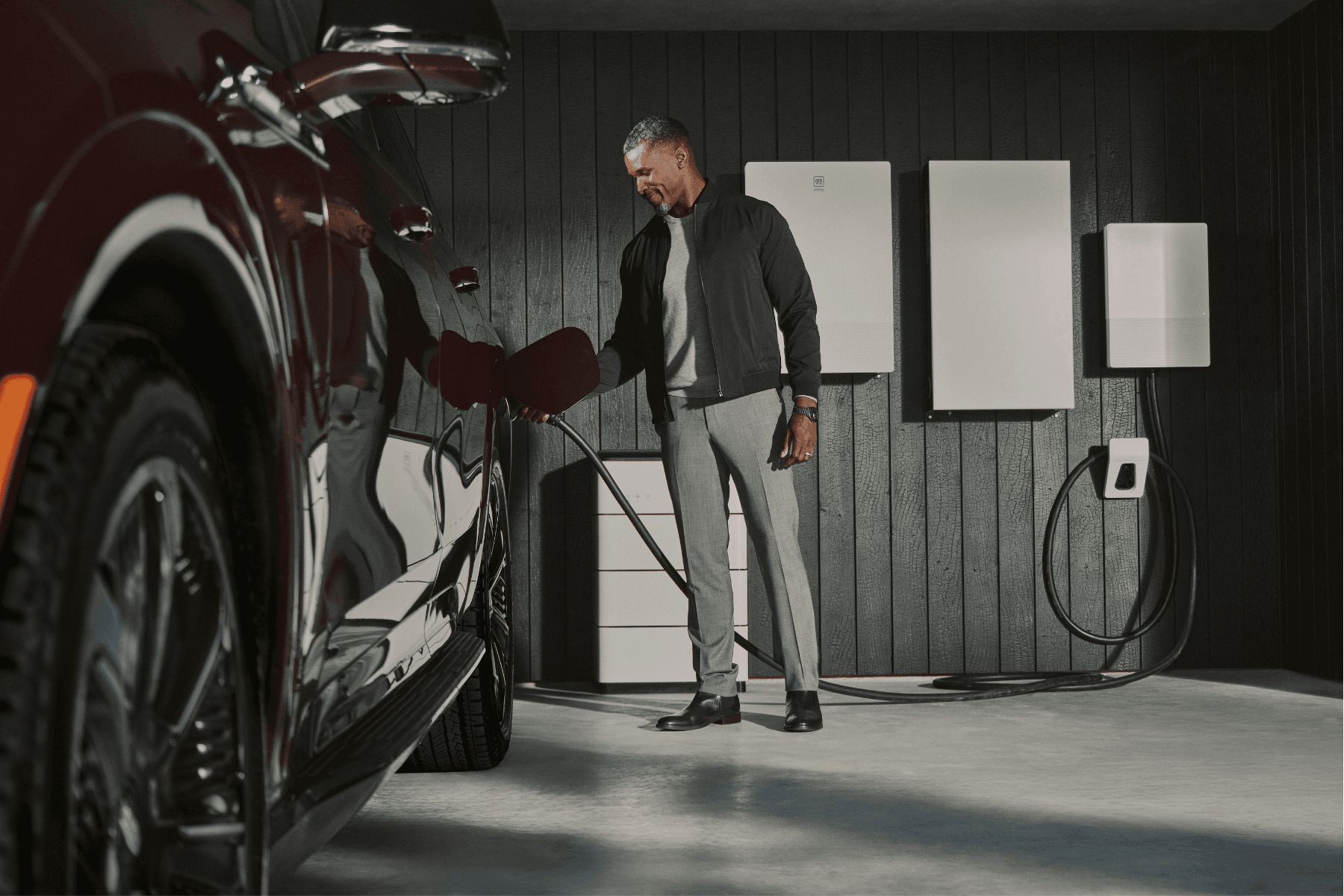
The large battery sitting in an electric car can be useful while the car is parked. Turning that stored energy into a service the electricity network can use, however, takes more than a two-way charging socket.
GM’s 19 November update sets out a new pilot with GM Energy, WeaveGrid and selected customers in Southern California Edison’s service area. Participants will test sending electricity from their EVs through their homes and back to the grid.
This is a US programme for eligible customers, not a New Zealand rollout. Its interest for Kiwi buyers is the practical distinction between a car that can power something, a home that can use that power and a network that permits export.
Three different jobs for a parked EV
The terminology can make those distinctions sound more complicated than they are.
| Function | What it does |
|---|---|
| Managed charging | Adjusts when the EV draws electricity. |
| Vehicle-to-home, or V2H | Uses a compatible EV to supply a properly equipped home, including backup during an outage. |
| Vehicle-to-grid, or V2G | Allows electricity from the EV to reach the public network through an authorised arrangement. |
GM’s existing V2H product information describes a system that disconnects the home from the grid when an outage is detected, then supplies backup power from a compatible vehicle. That is a different operating situation from deliberately exporting to a functioning network.
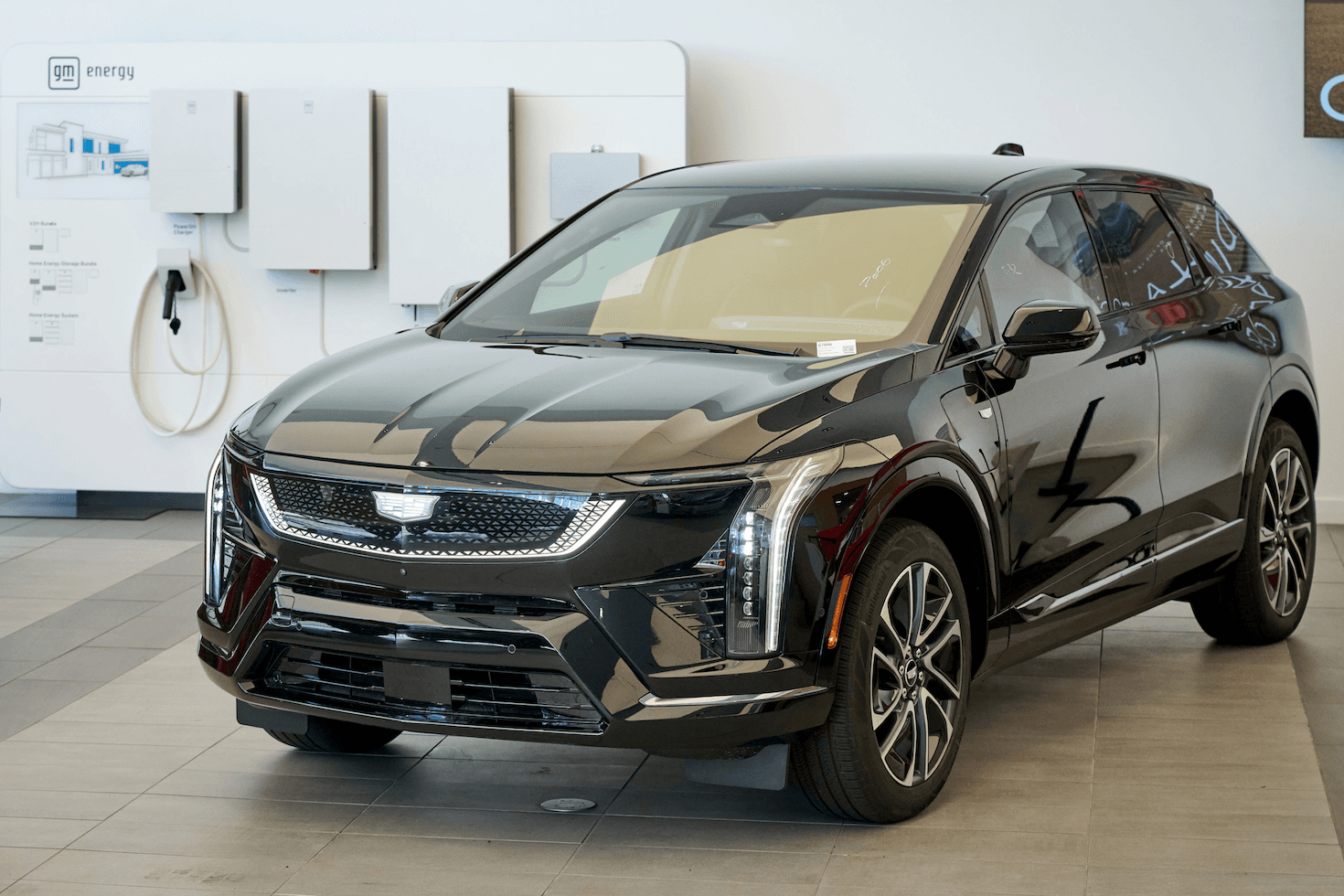
Its equipment includes a charger, home hub, inverter and a small battery used to start the system during a blackout. Compatibility and professional installation remain part of the package.
The pilot tests the process as well as the power
The SCE programme will examine the customer journey from enrolment and installation to utility approval and participation in grid events. Eligible customers may receive equipment and installation assistance, and payments or savings depend on programme terms and participation.
Those details matter because the ability to discharge a battery does not automatically create a service that an electricity company can use or pay for.
The California Energy Commission’s equipment guidance makes a similar point: before supplying power to the grid, customers must complete the utility’s interconnection process and obtain permission to operate.
Future hardware is a separate development
GM says its current home-energy products use DC-based technology and a wall-mounted inverter to convert battery power into the AC electricity used by homes.
It is also pursuing AC-based technology and joining CharIN’s planned North American AC V2G task force, which will work on standards, certification and utility connection requirements. That development work should not be confused with a claim that new AC hardware is already installed in this pilot.
For a New Zealand buyer, the useful questions are specific: does the exact car support the intended function, what equipment is required at home, and does the local electricity provider permit the arrangement? GM’s pilot offers a real-world test of those connections, while leaving NZ availability and economics unannounced.
Explainer · Spotted an error? Tell us. Read our editorial policy.
Related stories
News
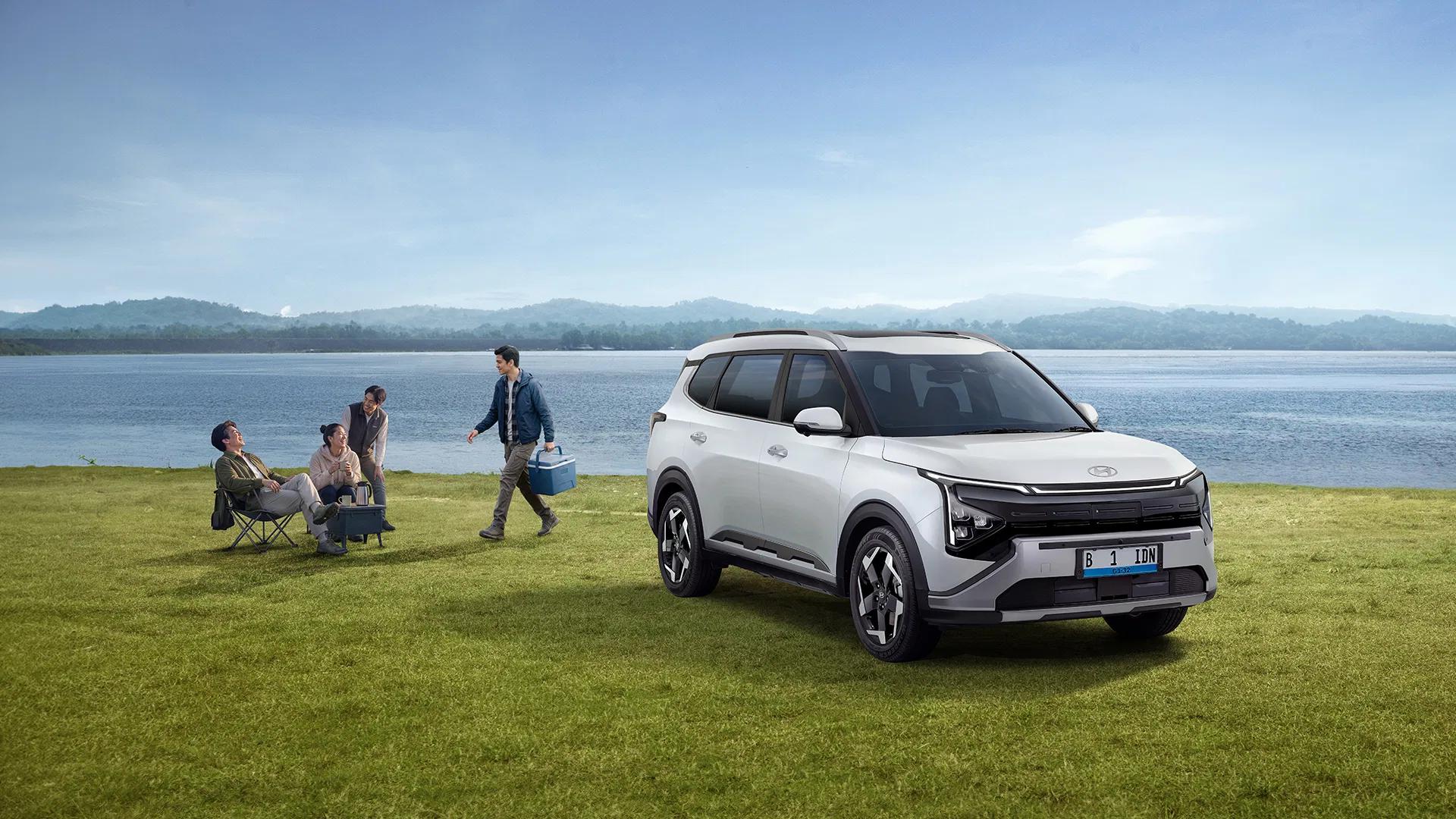
Hyundai Neira opens Indonesian bookings for a three-row electric family SUV
Overseas announcementThe seven-seat EV pairs 200mm ground clearance with familiar Hyundai cabin technology. New Zealand availability has not been confirmed.
CarWatch Admin ·
News
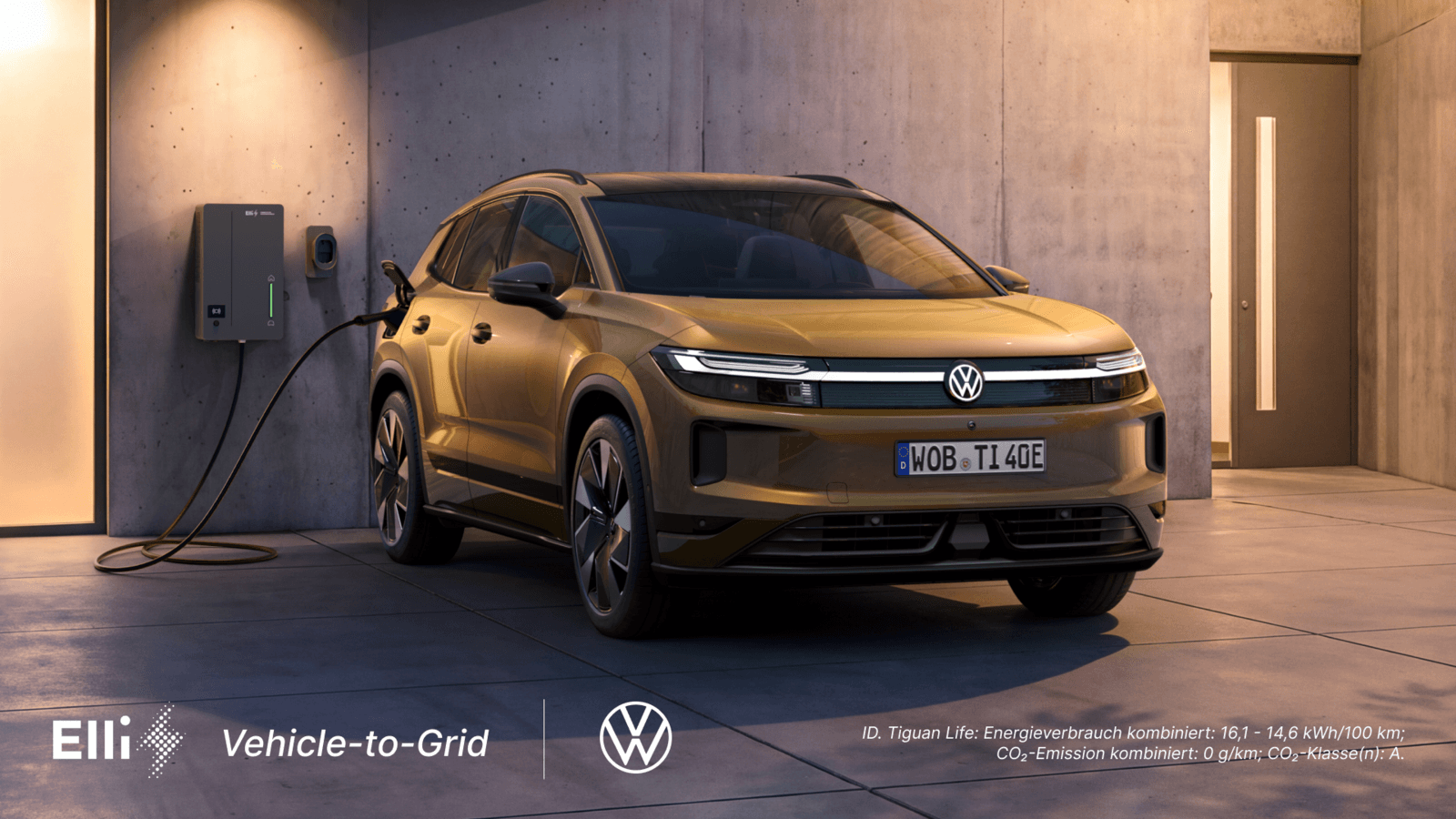
VW and Elli put a price on two-way charging in Germany
Overseas announcementA December V2G launch pairs a €1,995 charger with conditional connection payments. The package is not confirmed for NZ.
CarWatch Admin ·
News
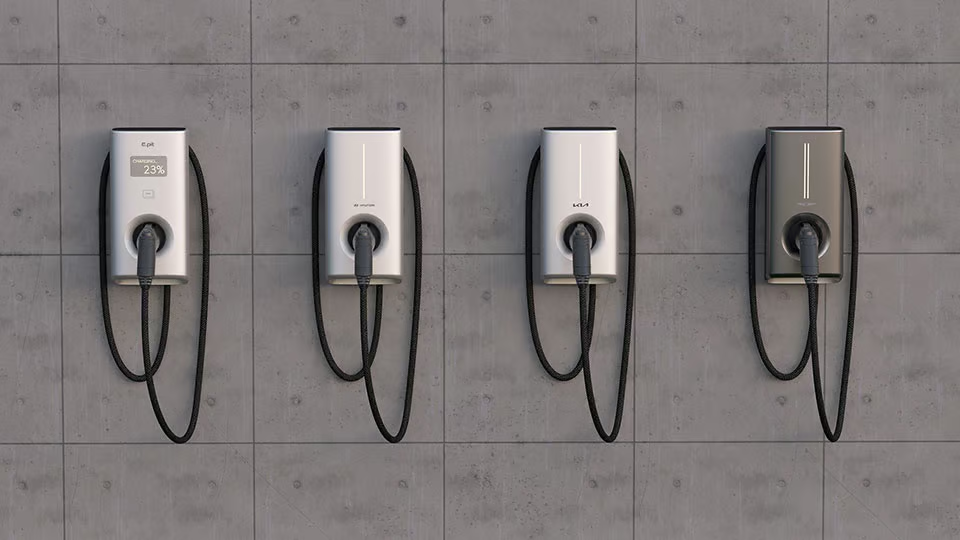
Hyundai’s new AC charger targets the everyday plug-in routine
Overseas announcementA unified charger for Hyundai, Kia and Genesis is planned for Korea in 2027, with NZ availability unconfirmed.
CarWatch Admin ·
News
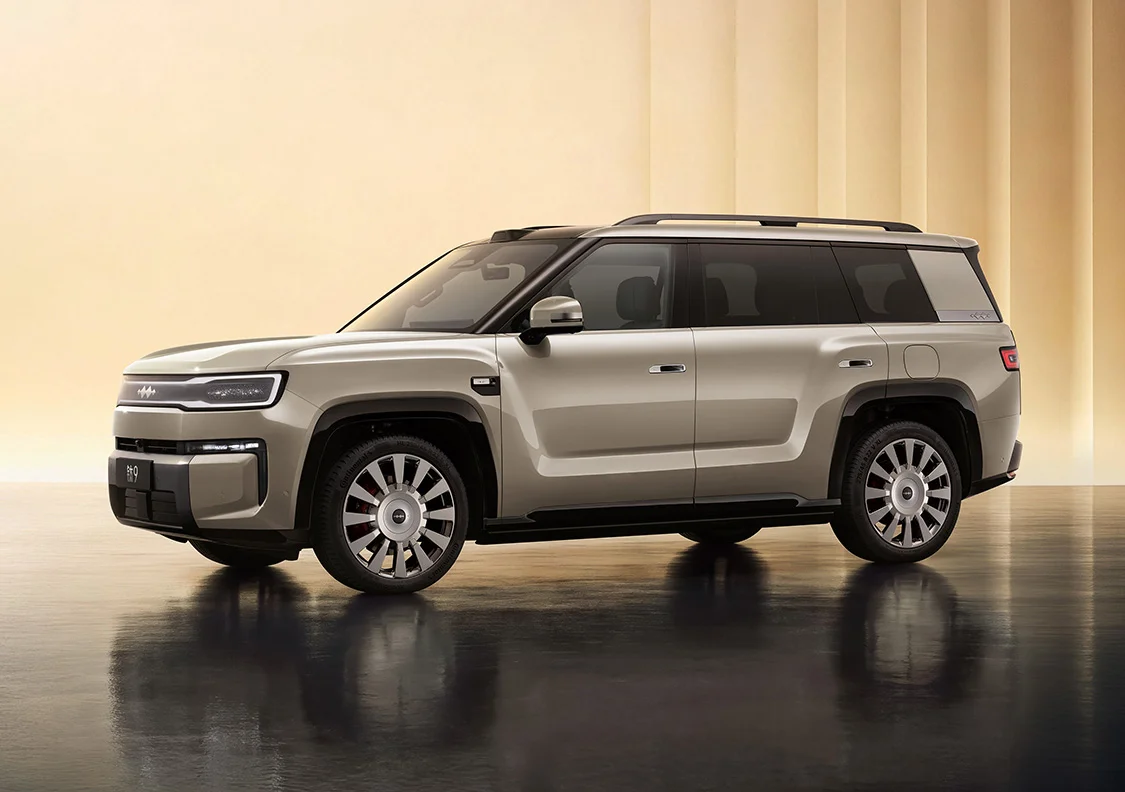
BYD’s Tai 9 puts a folding steering wheel into a production SUV
Overseas announcementThe China-market plug-in hybrid can clear space for its driver to recline while parked. New Zealand availability is unconfirmed.
CarWatch Admin ·