
BMW demonstrates 460kW charging for the new iX5
A US demonstration shows what BMW’s next electric X5 can accept from a suitably powerful charger. For Kiwi buyers, the charger and battery conditions will matter as much as the headline figure.
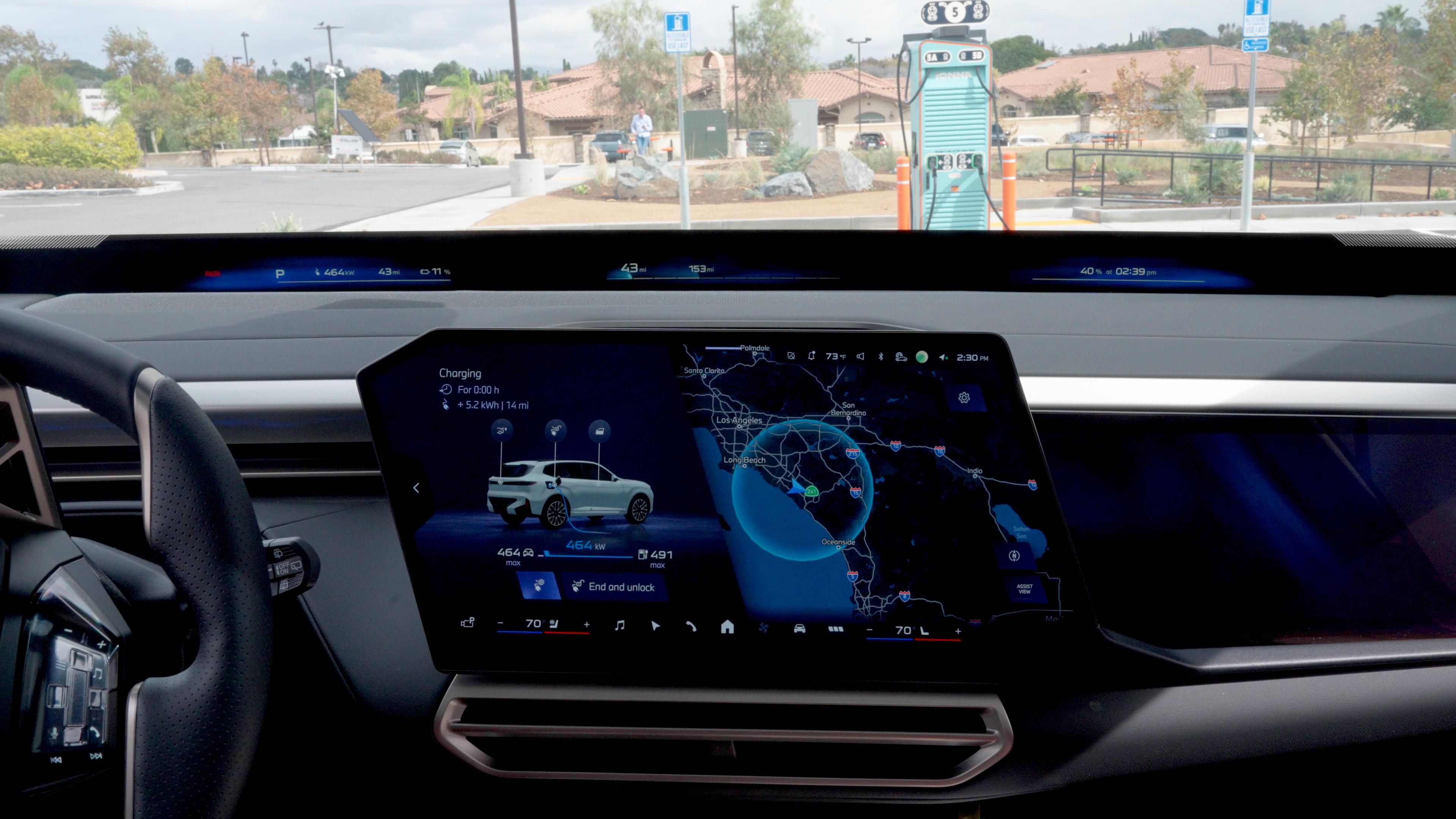
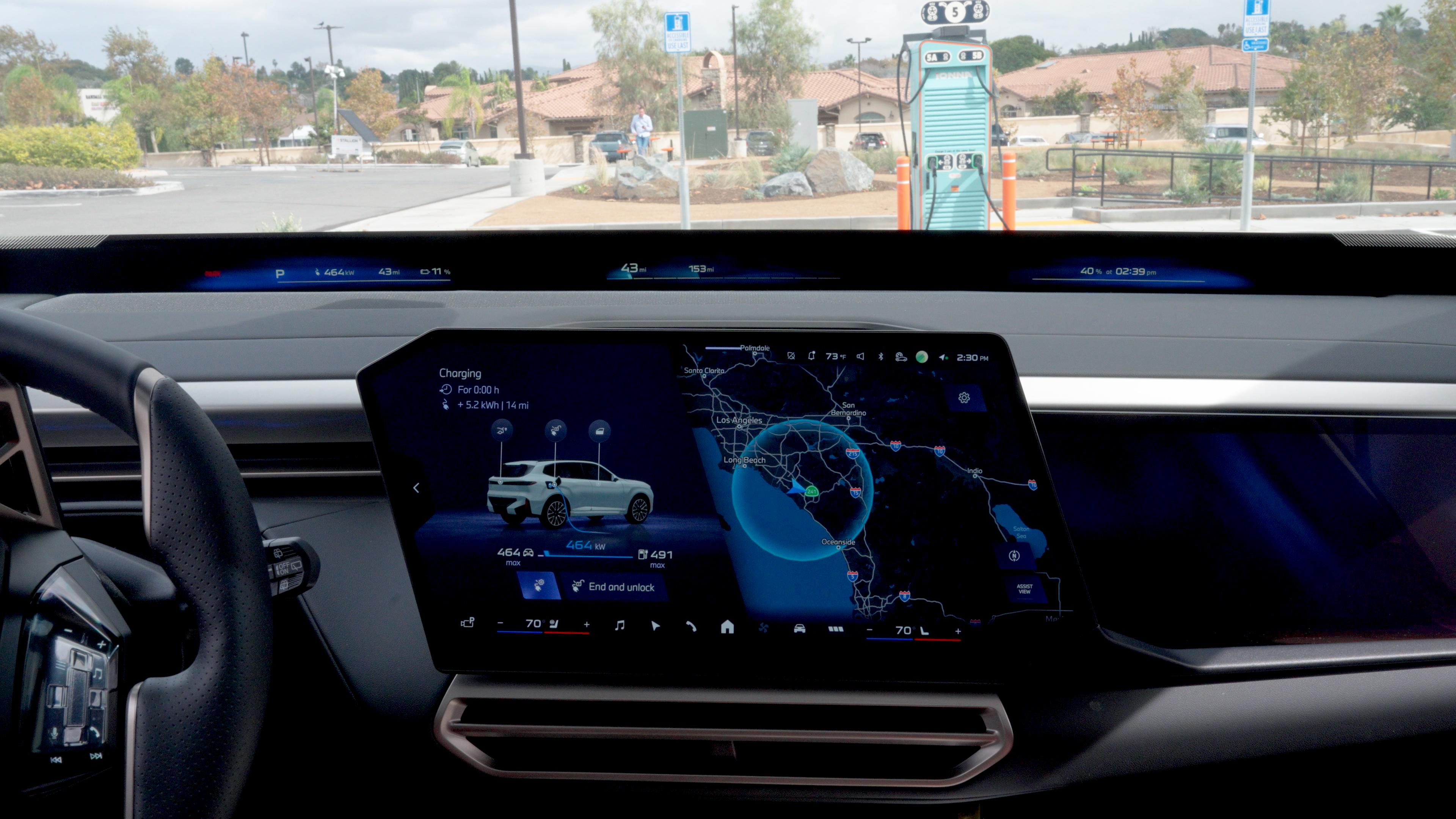
BMW has demonstrated its upcoming electric iX5 charging at up to 460kW, highlighting both the potential of its latest battery technology and the importance of the equipment supplying it.
The demonstration took place in Southern California with charging network IONNA and hardware maker Alpitronic. BMW says the equipment delivered up to 460kW to the iX5 60 xDrive, but describes the setup as a technology demonstration rather than charging hardware commercially available in the US at the time of its announcement.
That distinction matters for New Zealand drivers watching the arrival of the electric X5. BMW New Zealand lists the iX5 60 xDrive for ordering from 2027 and quotes a maximum DC charging power of 460kW. The US demonstration does not establish where, or whether, an equivalent charger will be available locally.
What the number means
Kilowatts measure the rate at which energy is transferred. A higher peak can help a compatible EV add energy quickly, but a charger’s advertised maximum is not a promise that every car will draw that rate throughout a stop.
The car, charger and battery all have a part to play. Battery temperature and state of charge can affect the rate, and charging generally slows as a battery approaches full. A lower-powered charger can still charge a compatible iX5, but cannot deliver the headline peak.
BMW New Zealand currently lists a 10 to 80 per cent charge time of 23 minutes for the iX5 under its stated charging conditions. Treat that as a manufacturer estimate for comparison, not a guarantee for a particular road trip. On a longer journey, the practical question is how much time the car needs at the chargers actually available along the route.
A new battery generation
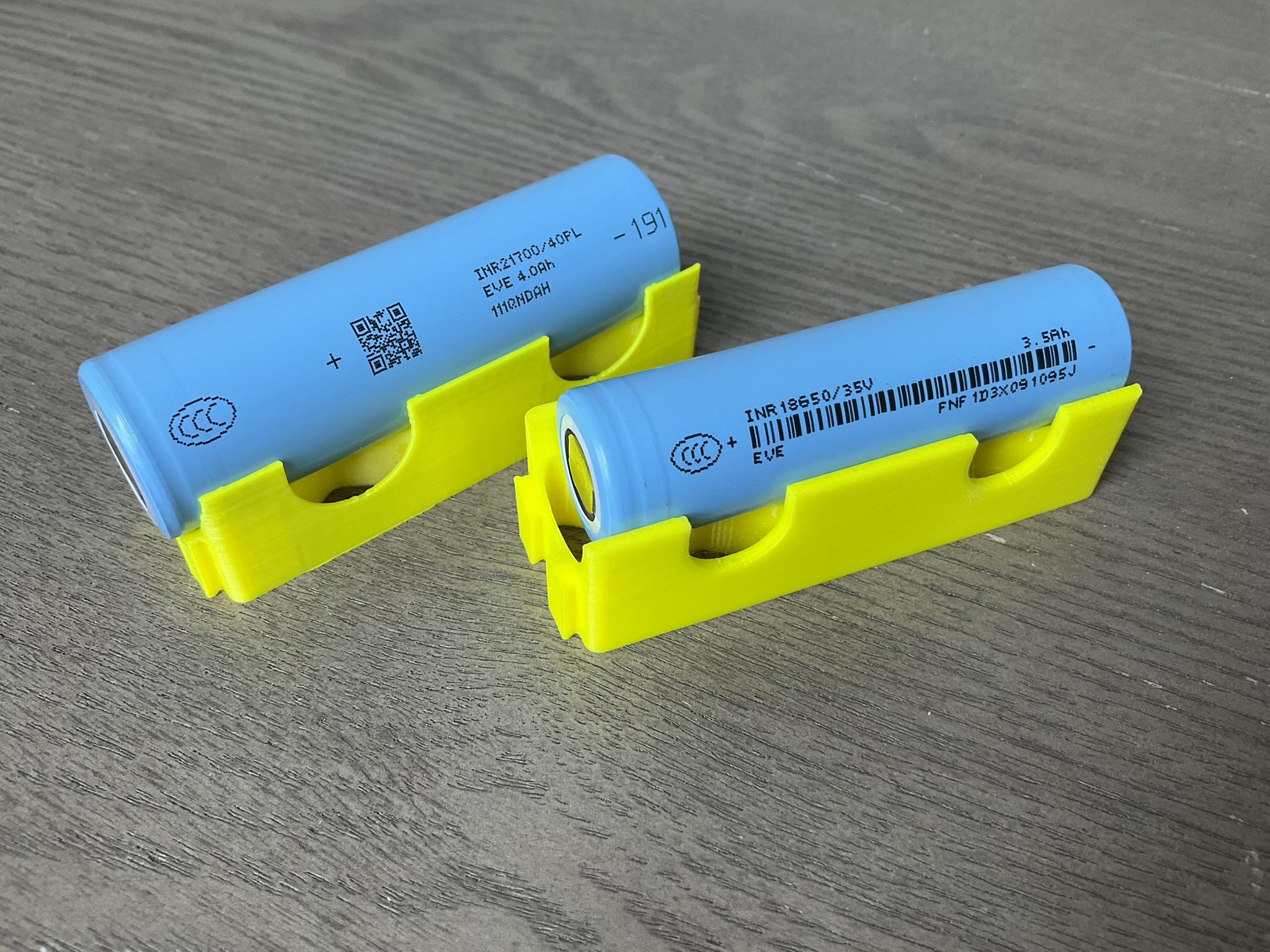
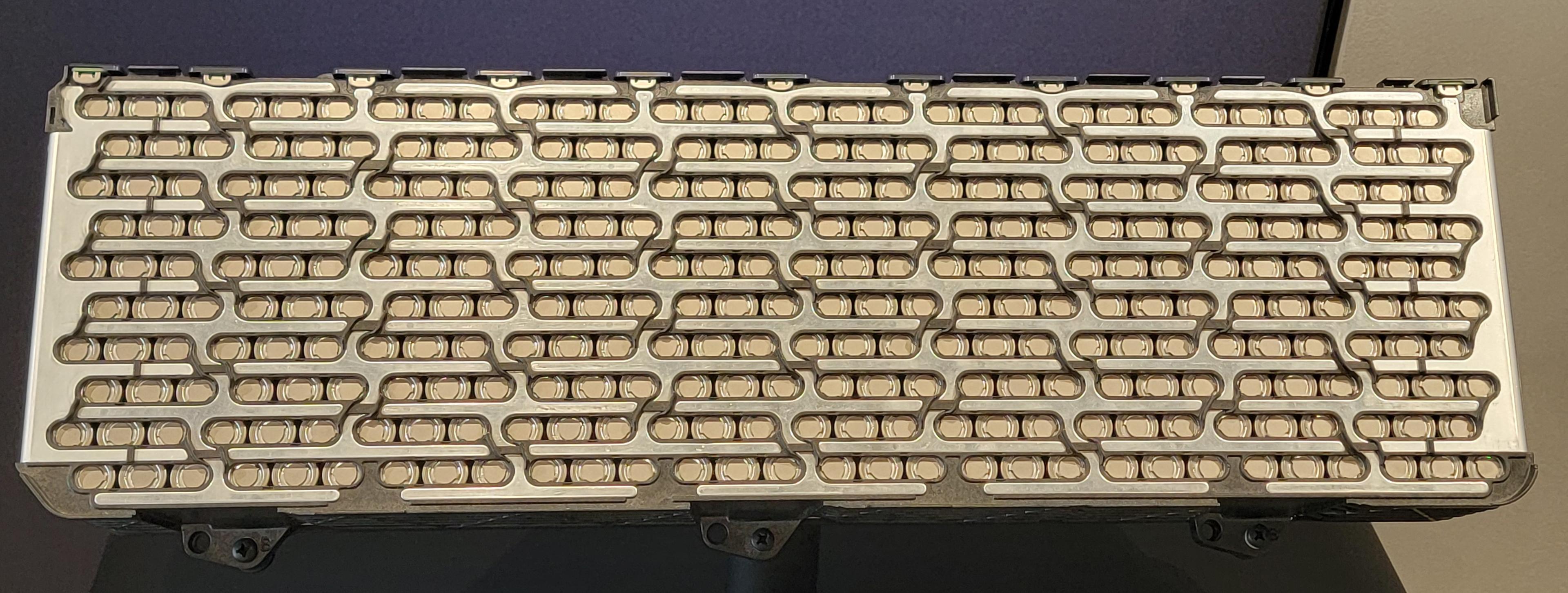
The iX5 uses BMW’s sixth-generation eDrive technology, which debuted in the iX3. BMW says the system uses an 800-volt architecture and cylindrical battery cells, in place of the previous generation’s prismatic cells. It claims the new cells have 20 per cent greater energy density than their predecessors.
Energy density describes how much energy can be stored for a given amount of battery material or space. It is useful when comparing cell technology, but it does not by itself tell a buyer how far a particular vehicle will travel. Vehicle weight, aerodynamics, speed, temperature and other conditions also affect energy use.
BMW’s US announcement also describes bidirectional charging as part of the Gen6 system. That means energy can potentially flow out of the vehicle as well as into it, although the functions available to owners depend on compatible equipment and local arrangements. The demonstration itself focused on fast charging, not a confirmed New Zealand home-power package.
Planning a Kiwi trip
BMW’s local site says setting a public charging station as a navigation destination can precondition the battery. Preparing the battery temperature before arrival can help it charge more effectively when conditions are suitable.
For prospective owners, checking the power rating, connector compatibility and availability of chargers on regular routes will be more useful than assuming a 460kW peak everywhere. Home charging needs its own assessment, including the electrical installation and the distance normally driven each day.
The iX5 is a forthcoming production model for New Zealand, while the particular US charging installation was a demonstration. Together they show how the next generation of EVs and charging equipment must develop alongside one another for the headline speeds to become useful on a real journey.
News · Spotted an error? Tell us. Read our editorial policy.
Related stories
News
New EV battery technology promises much faster charging
France's Blue Solutions says its experimental lithium-metal battery cells recovered 70% capacity in less than 11.5 minutes, but the result comes from controlled laboratory testing rather than a production EV.
CarWatch Admin ·
News
Mercedes has a radical new idea for electric car batteries
Mercedes-Benz is developing software-controlled power converters that could change how EV batteries deliver power, potentially allowing more flexible and efficient 800-volt systems.
CarWatch Admin ·
News
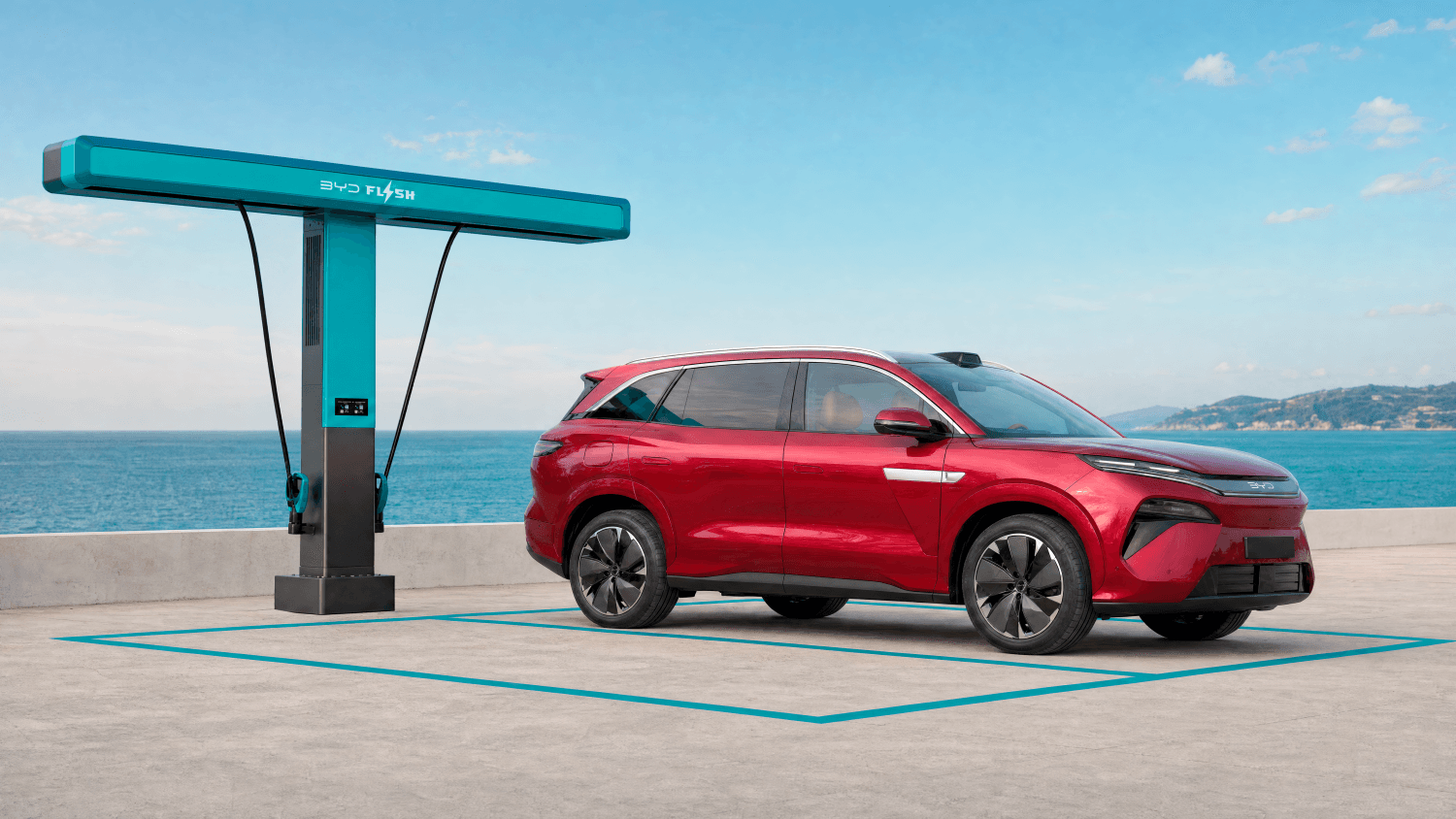
BYD’s seven-seat ATTO 8 brings nine-minute charging claim to Europe
Overseas announcementThe electric SUV pairs a large second-generation Blade Battery with BYD’s fastest charging technology. Here is what the European announcement means, and what Kiwi buyers still need to know.
CarWatch Admin ·
News
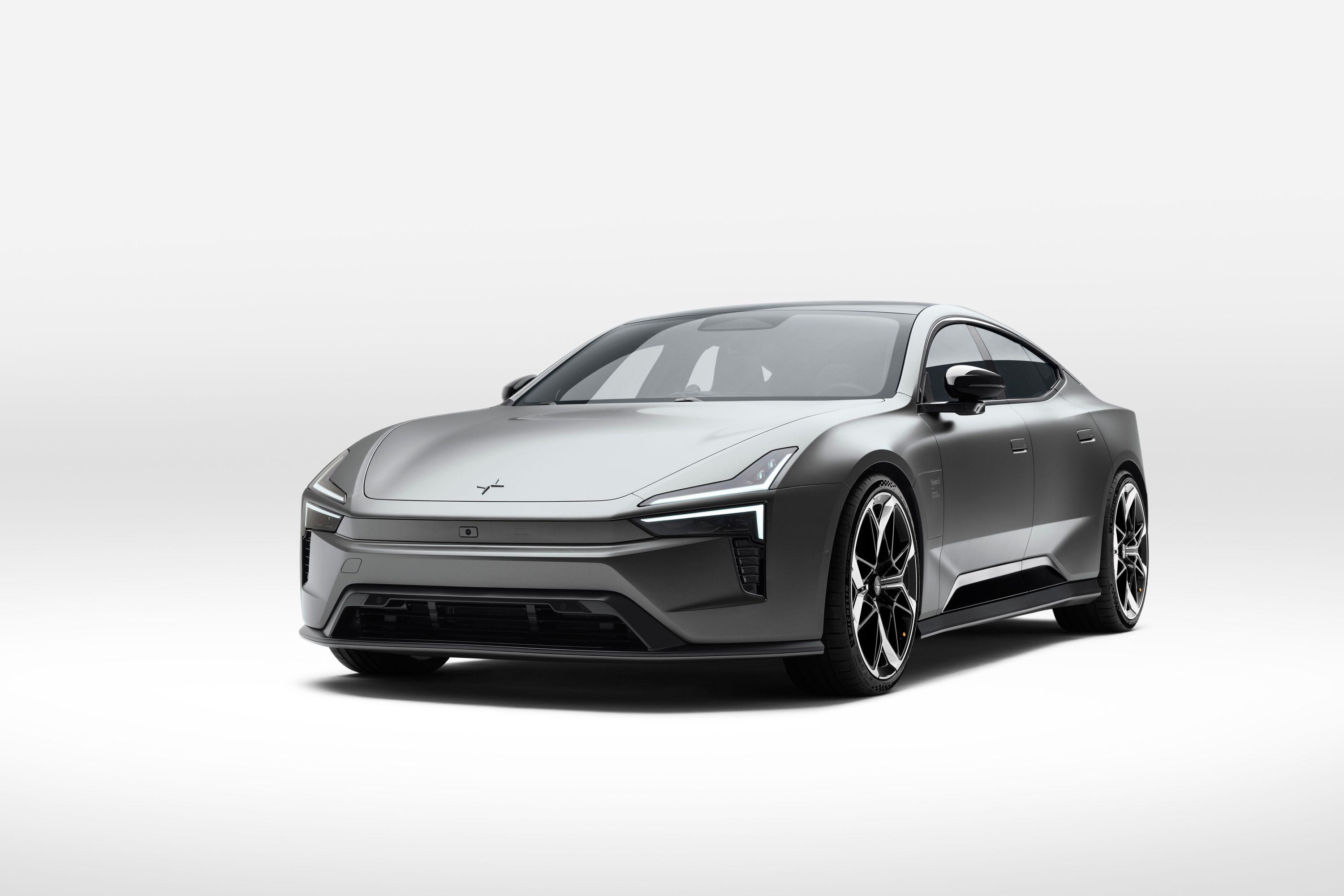
Polestar 5 priced from $239,900 in New Zealand
Confirmed for NZThe electric grand tourer is listed in two launch editions, with up to 650kW and a $30,000 gap between them.
CarWatch Admin ·