
Audi’s upcoming A2 e-tron can share its battery with a home
Audi has detailed how its new electric hatchback can power devices and a home. Whether those functions will be offered in New Zealand is still to be confirmed.
An electric car spends a lot of time parked with a sizeable battery on board. Audi wants its new A2 e-tron to make that battery useful beyond driving, with functions that can supply power to appliances or even a house.
The compact electric hatchback is expected in New Zealand around the middle of 2027. But there is an important local caveat: Audi New Zealand says the vehicle-to-load and vehicle-to-home specifications have yet to be confirmed for this market. Local pricing and final equipment are also still to come.
Audi's new technical release, dated 12 November, explains how the system works in the markets where the features are offered.
From the battery to a device
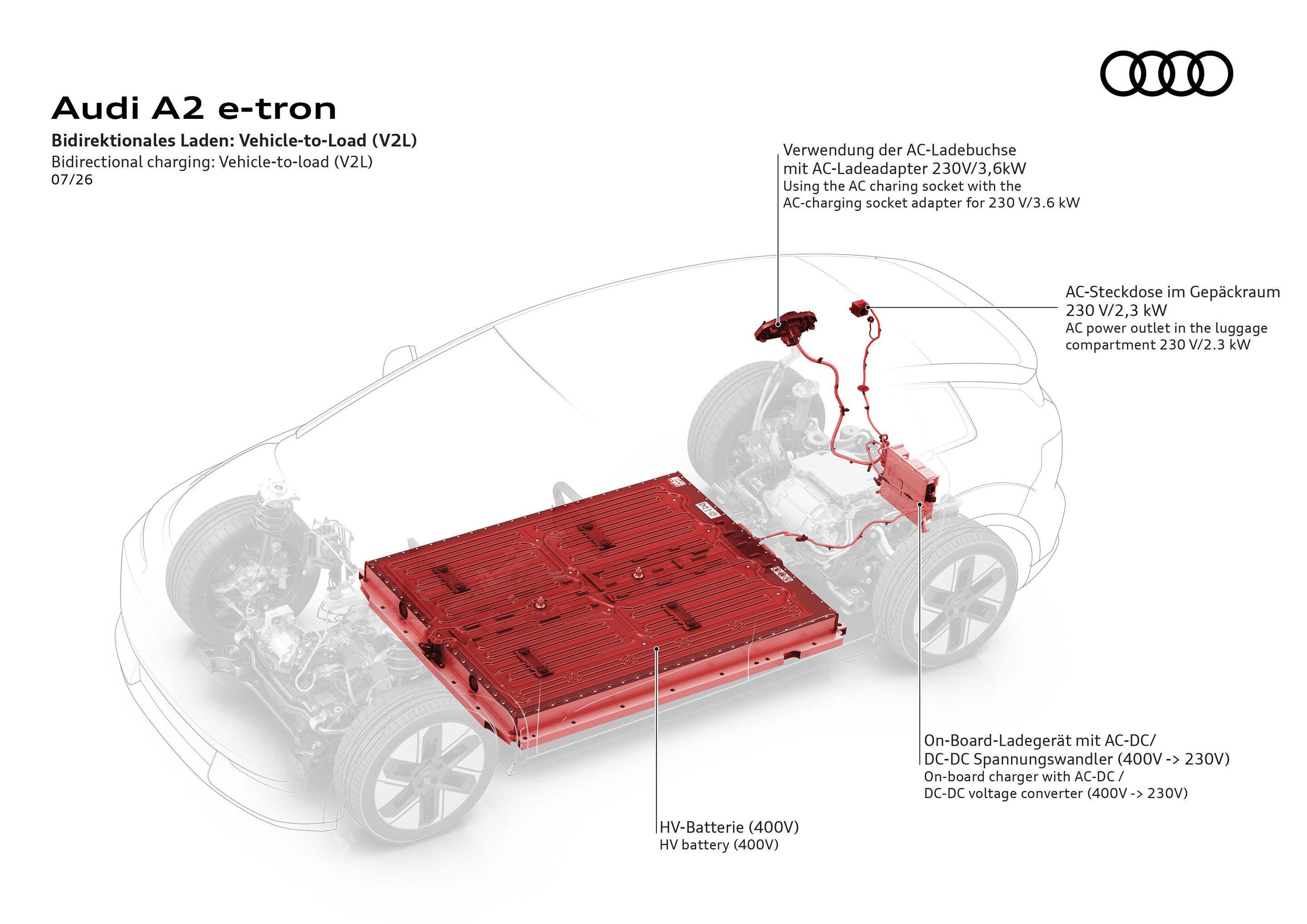
Vehicle-to-load, or V2L, sends electricity from the car to individual devices. Audi describes powering items such as e-bikes using a socket in the boot or an adapter at the charging port. The feature is offered as an option in the overseas range; exact equipment depends on the market.
Audi says the A2's battery must have at least 20 per cent charge for V2L to operate. That reserve matters: energy used for appliances is energy that is no longer available for the next drive.
From the battery to a house
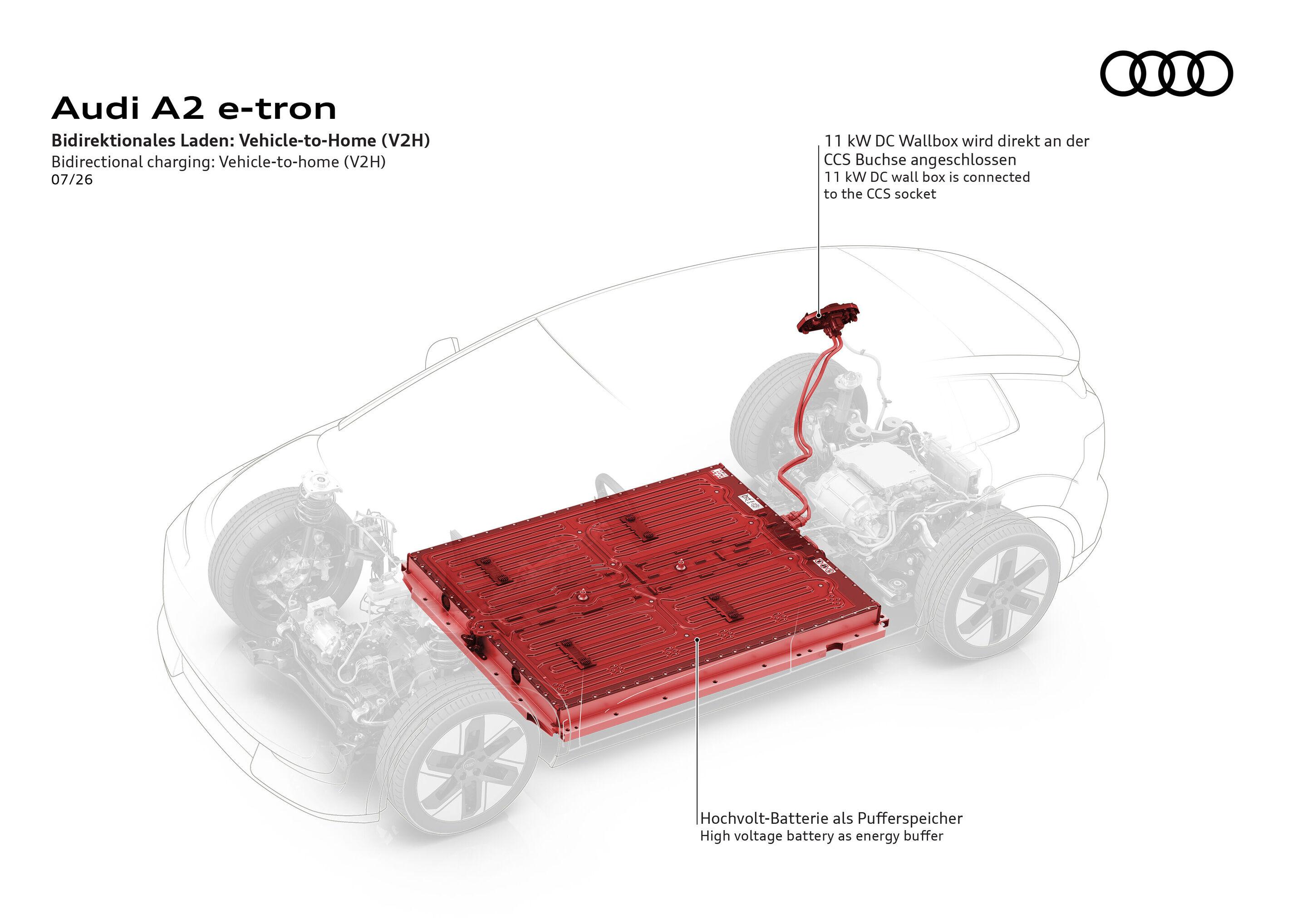
Vehicle-to-home, or V2H, takes the idea a step further. Instead of plugging an appliance directly into a car, a suitable installation can move energy between the vehicle and a home's electrical system. For example, stored electricity could potentially be used at home when it is needed later.
This needs more than an ordinary charging lead. Audi specifies a compatible bidirectional DC wallbox, and says extra hardware may be needed depending on the home installation. In the system described by Audi, energy transfer between car and home operates within a battery charge range of 20 to 80 per cent, subject to the charging and discharging limits set for that location.
Audi's European launch information says V2H is initially available in Germany, Austria and Switzerland. That is not confirmation it will work here. A compatible car, charger and installation all need to be supported locally, and buyers should check the details before purchasing equipment.
What about sending power to the grid?
Vehicle-to-grid, or V2G, means exporting electricity from the car to the wider network. Audi describes that capability as a future addition, dependent on factors including market rules, equipment, infrastructure and potentially a suitable electricity tariff. It has not provided a New Zealand rollout date.
New Zealand's Energy Efficiency and Conservation Authority is trialling two-way charging and says compatible vehicles and chargers remain limited here. It recommends checking vehicle and charger compatibility, warranty implications and installation requirements with an experienced electrician.
Audi offers the overseas A2 with several battery sizes and power outputs. Which versions, prices and energy-sharing functions New Zealand customers will receive remain details for the local launch.
Explainer · Spotted an error? Tell us. Read our editorial policy.
Related stories
News
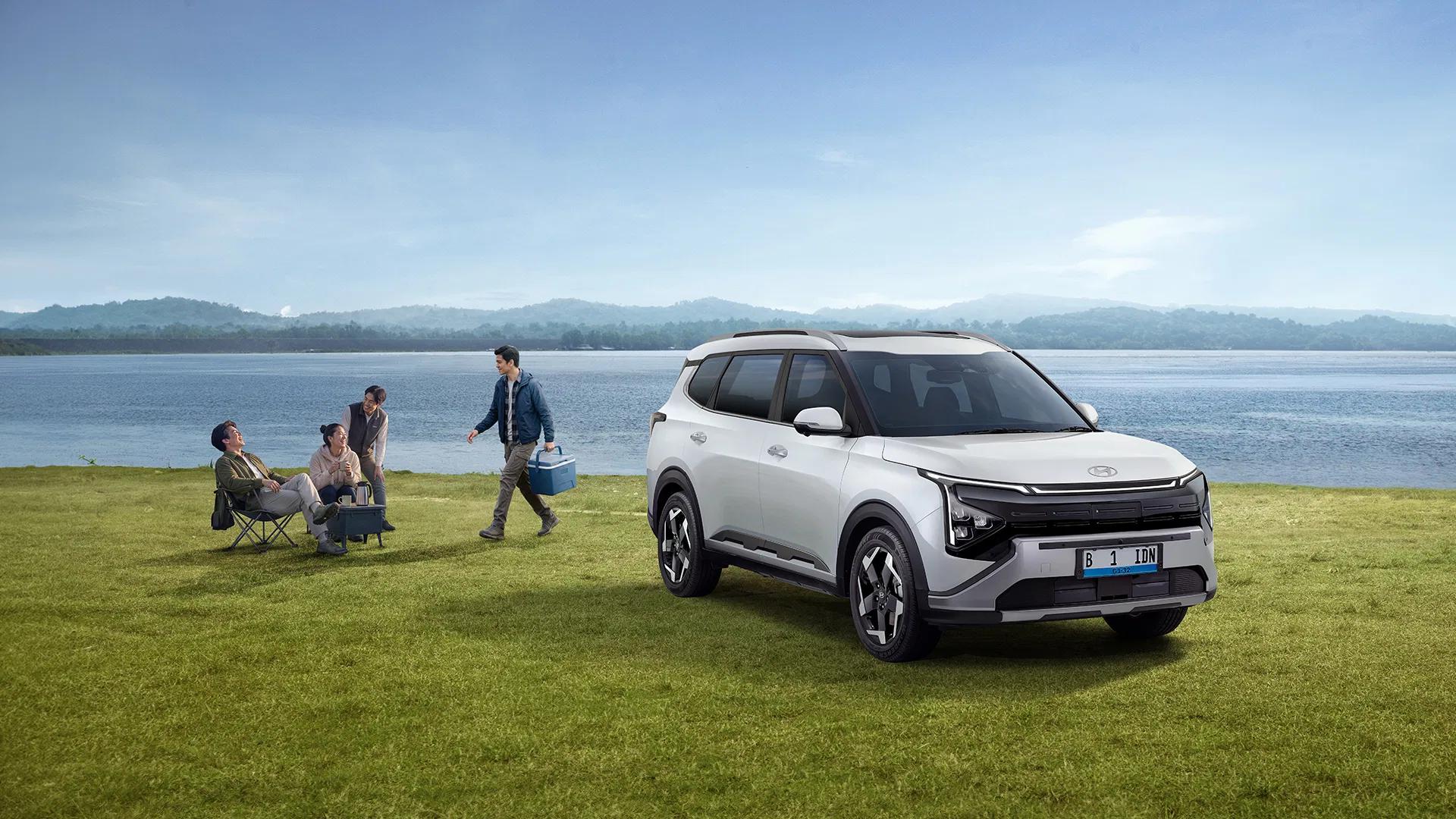
Hyundai Neira opens Indonesian bookings for a three-row electric family SUV
Overseas announcementThe seven-seat EV pairs 200mm ground clearance with familiar Hyundai cabin technology. New Zealand availability has not been confirmed.
CarWatch Admin ·
News
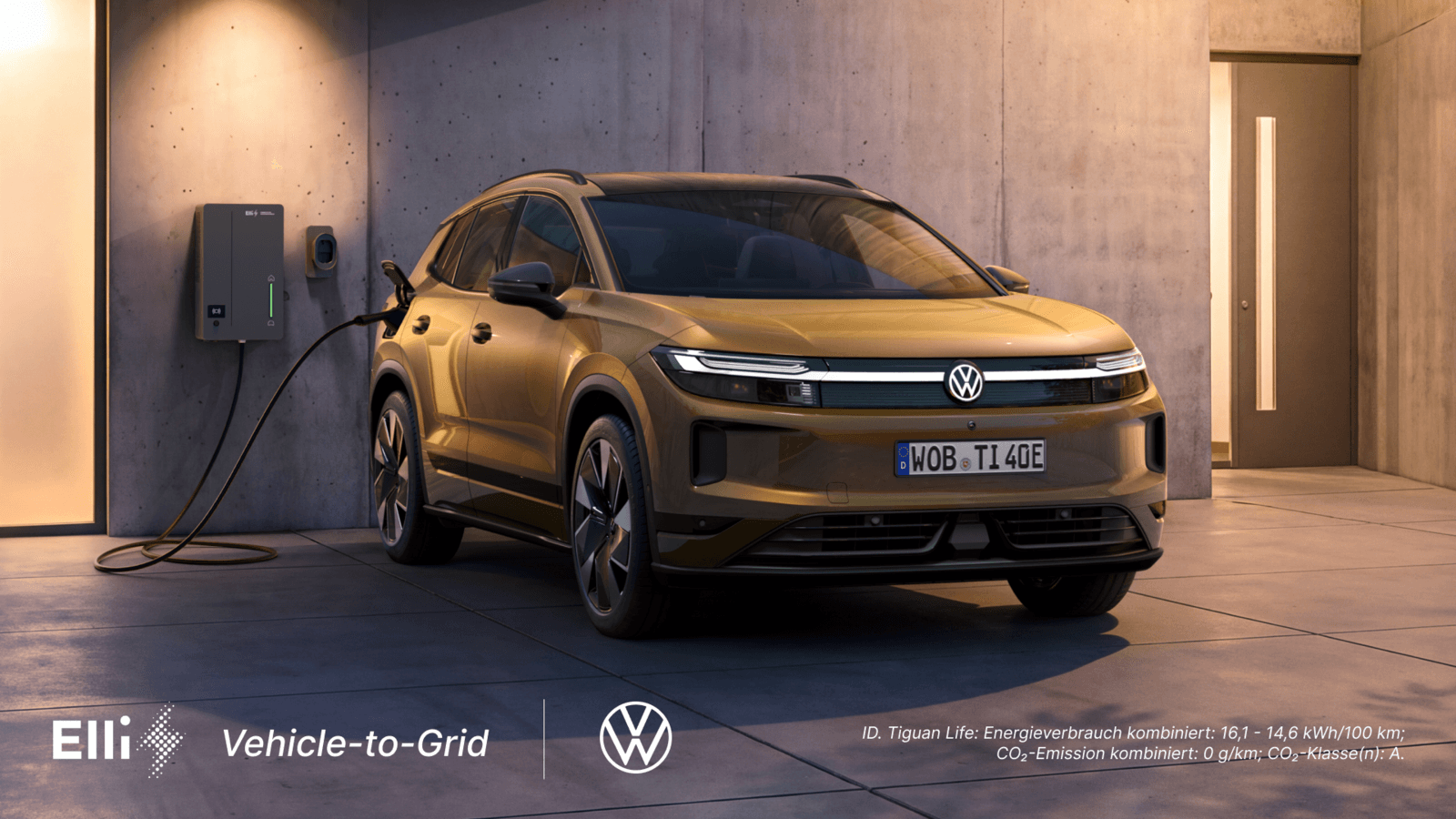
VW and Elli put a price on two-way charging in Germany
Overseas announcementA December V2G launch pairs a €1,995 charger with conditional connection payments. The package is not confirmed for NZ.
CarWatch Admin ·
News
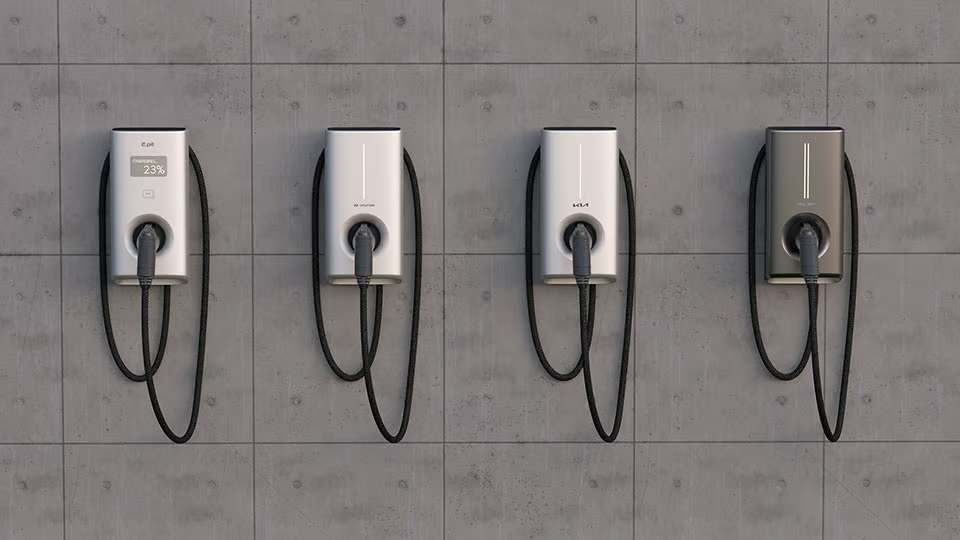
Hyundai’s new AC charger targets the everyday plug-in routine
Overseas announcementA unified charger for Hyundai, Kia and Genesis is planned for Korea in 2027, with NZ availability unconfirmed.
CarWatch Admin ·
News
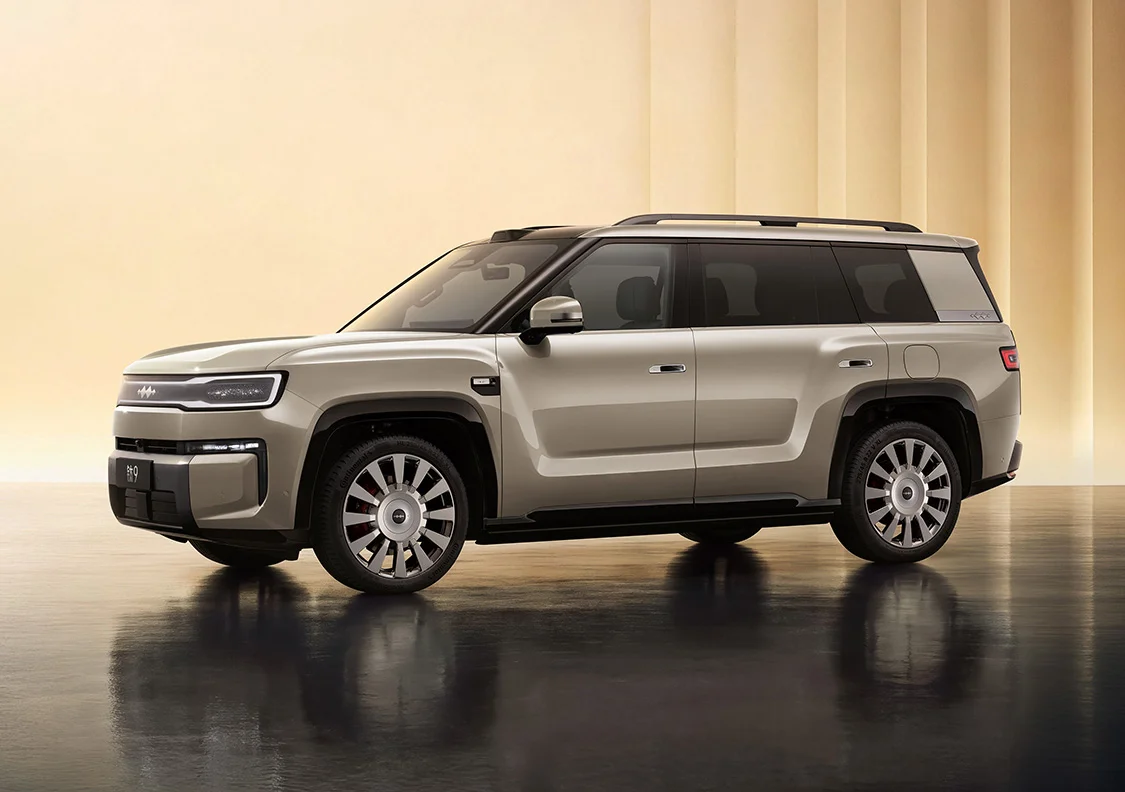
BYD’s Tai 9 puts a folding steering wheel into a production SUV
Overseas announcementThe China-market plug-in hybrid can clear space for its driver to recline while parked. New Zealand availability is unconfirmed.
CarWatch Admin ·