
Genesis G80 Hybrid debuts with two motors and a liquid-cooled battery
The new luxury sedan shares a 2.5-litre turbo hybrid system with the GV80 SUV. Its overseas reveal leaves NZ availability and pricing unconfirmed.
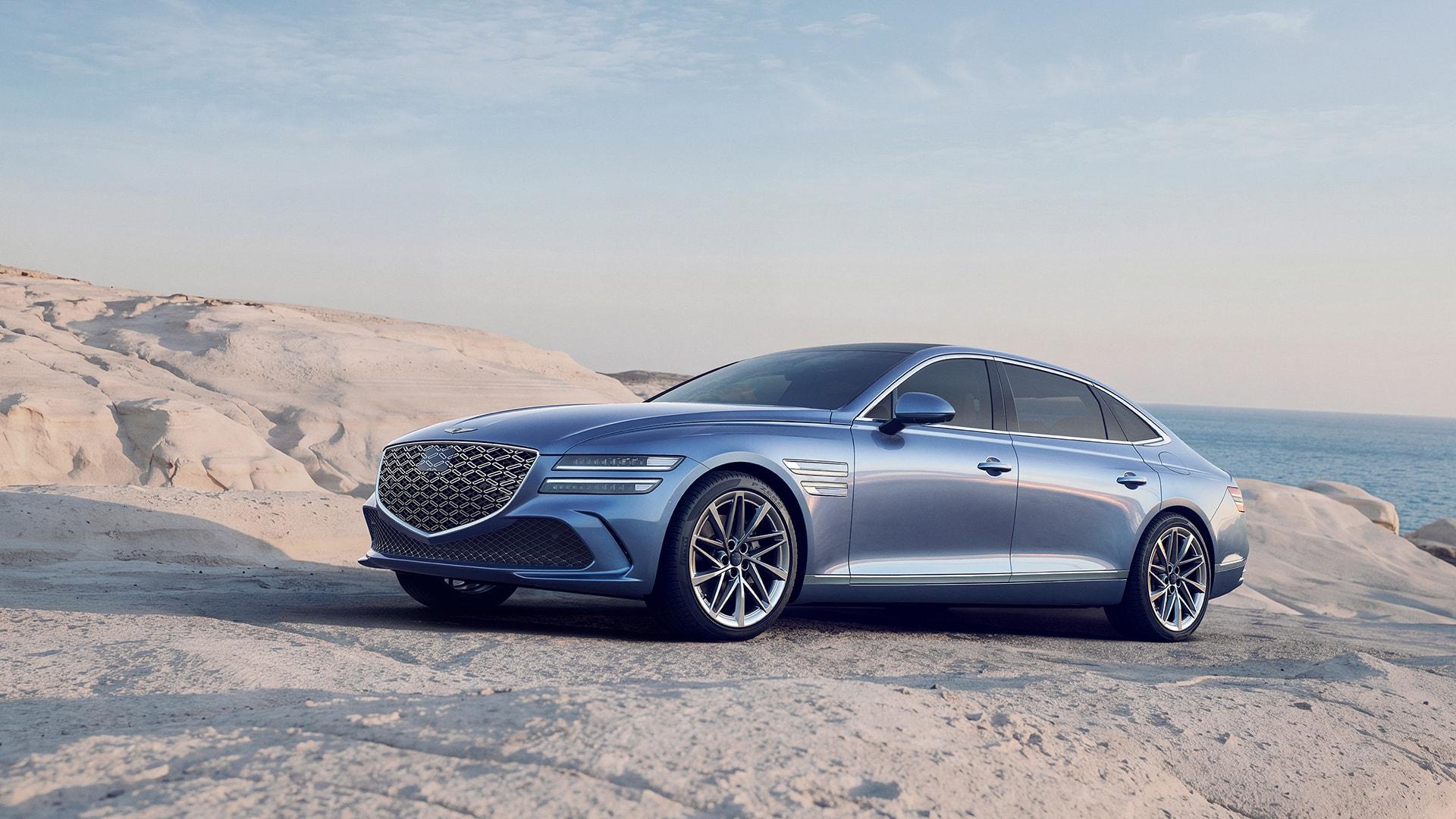
Genesis has added a new option to the luxury-sedan conversation: a G80 Hybrid with a turbocharged petrol engine, two electric motors and a battery cooled by liquid.
The G80 Hybrid made its global debut in Los Angeles, alongside the North American debut of the GV80 Hybrid SUV. The manufacturer’s announcement, published on 20 November, confirms a shared 2.5-litre turbo hybrid system and seven-speed automatic transmission.
Combined output is approximately 259kW and 530Nm, converted from Genesis’ published 347 horsepower and 391lb-ft.
There is no confirmed New Zealand launch, price or local specification for either hybrid in the material reviewed. Even North American pricing and availability will be announced later. These are overseas production-model announcements, rather than a new addition Kiwi shoppers can order locally on the strength of this reveal.
Why cool a hybrid battery with liquid?
Genesis says this is Hyundai Motor Group’s first hybrid system with a liquid-cooled battery. Its stated purpose is better temperature management, supporting higher discharge output and greater use of the battery’s available power.
That matters because a hybrid battery does more than store a little energy between traffic lights. It repeatedly supplies power to the motor and accepts energy recovered as the car slows. Managing its temperature is part of making that repeated exchange work consistently.
Liquid cooling does not, by itself, establish a battery’s lifespan or guarantee a particular fuel bill. Those would need their own evidence. Here, the engineering change is about supporting the way the hybrid system uses electrical power.
Two motors, without a plug-in routine
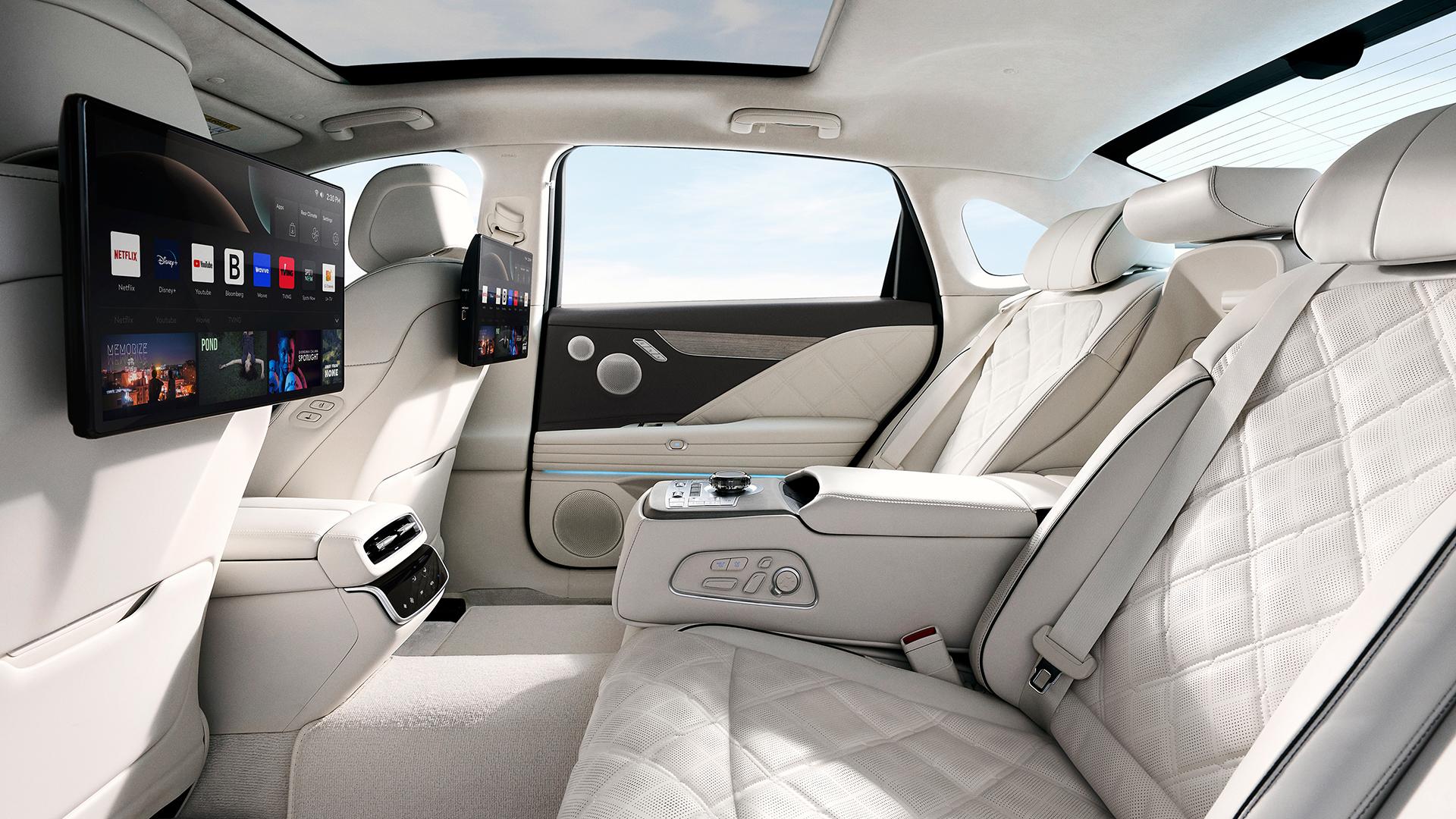
In its earlier explanation of the GV80 Hybrid, Genesis describes a starter-generator and a drive motor working with the petrol engine. The vehicle can use the engine, electric drive or both according to conditions.
The GV80’s battery is replenished through the hybrid system, including regenerative braking, rather than an external charger. Regeneration recovers some energy during slowing, giving the electric side of the powertrain another opportunity to contribute later.
Genesis also describes route-aware energy management. Its predictive control considers the journey ahead when managing battery charge, while smart regenerative braking can use navigation and traffic information to adjust energy recovery.
The GV80 adds a parked Stay Mode that runs cabin comfort and multimedia functions from the high-voltage battery without starting the engine. Its V2L function can supply external equipment, with continuous use possible while the engine runs, according to Genesis.
Those GV80 details should not automatically be treated as a complete equipment list for every G80 market.
The figures still need context
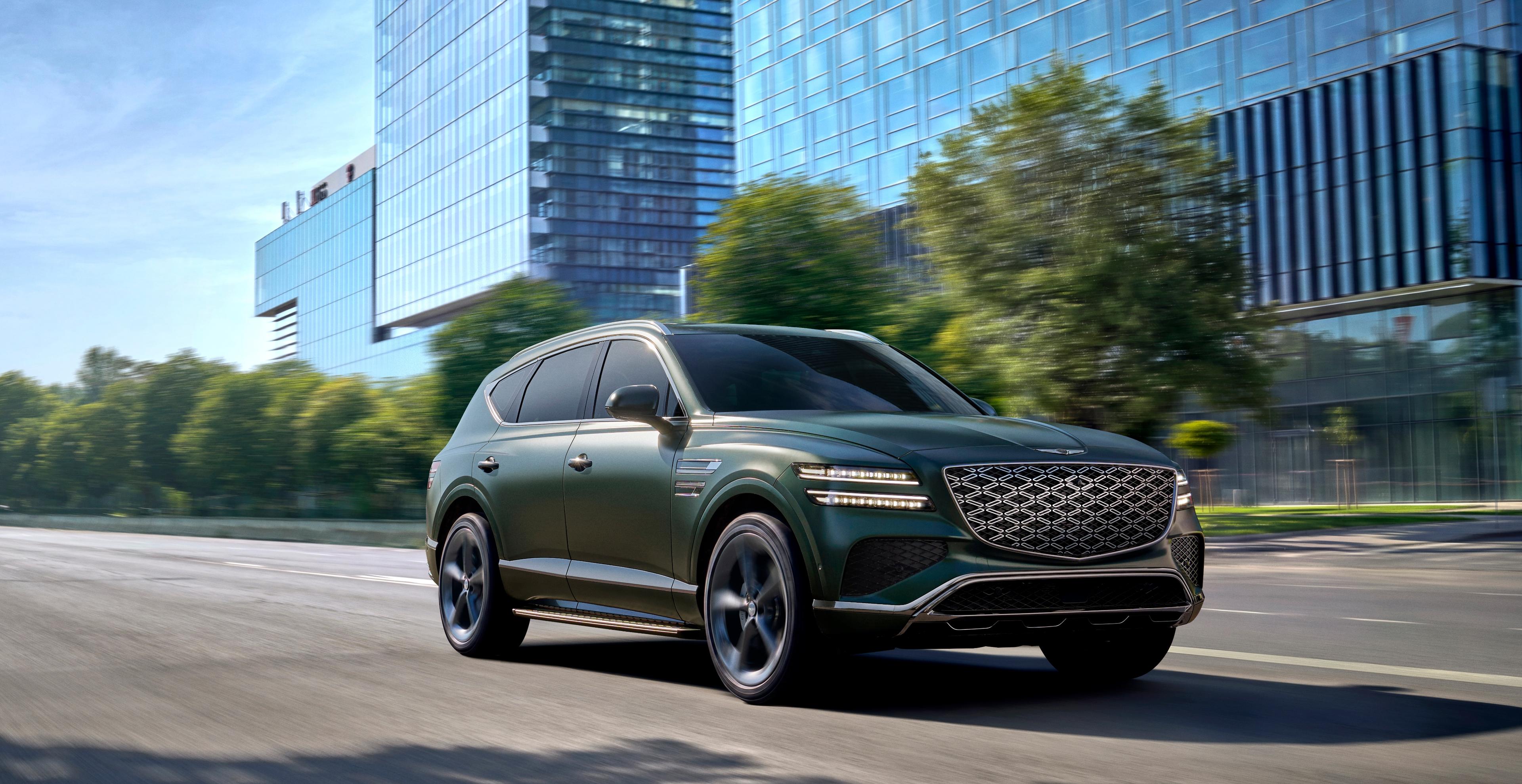
Genesis has published preliminary efficiency and driving-range claims based on internal testing. They remain subject to certification, so they are not NZ economy results and cannot support a reliable local running-cost comparison yet.
Australian reporting also says the brand has not confirmed which of the two hybrids will reach that market. A reveal across the Pacific is therefore several steps short of an Australasian buying proposition.
For New Zealand readers, the interest is the direction of travel: Genesis is extending petrol-electric technology into its luxury sedan and SUV range. Whether these particular cars become relevant local alternatives will depend on confirmed distribution, specifications and pricing.
News · Spotted an error? Tell us. Read our editorial policy.
Related stories

Explainer
Addionics tackles battery ageing by changing the metal inside the cell
Overseas announcementNew laboratory results put porous current collectors in the spotlight, with implications for future EV battery development.
CarWatch Admin ·
Explainer
Niron’s US$1.8b factory plan puts rare-earth-free EV magnets in focus
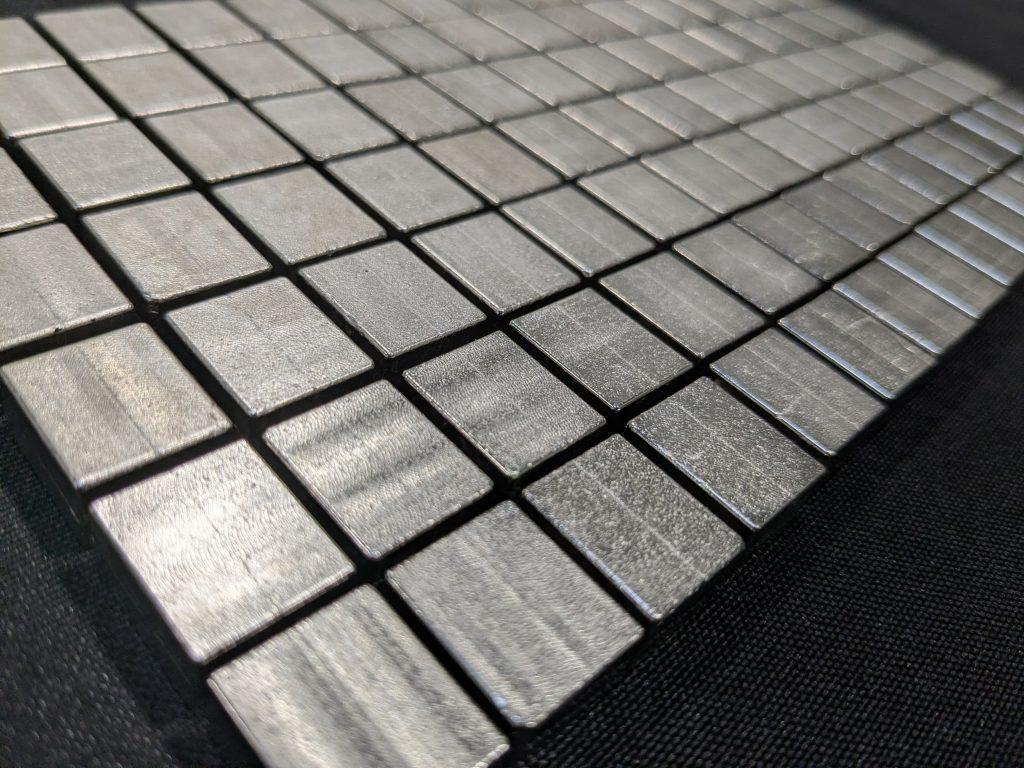
Overseas announcementIron-nitride magnets offer another route away from rare earths in electric motors. Niron's new US factory remains a future project, with no NZ vehicle application announced.
CarWatch Admin ·
News
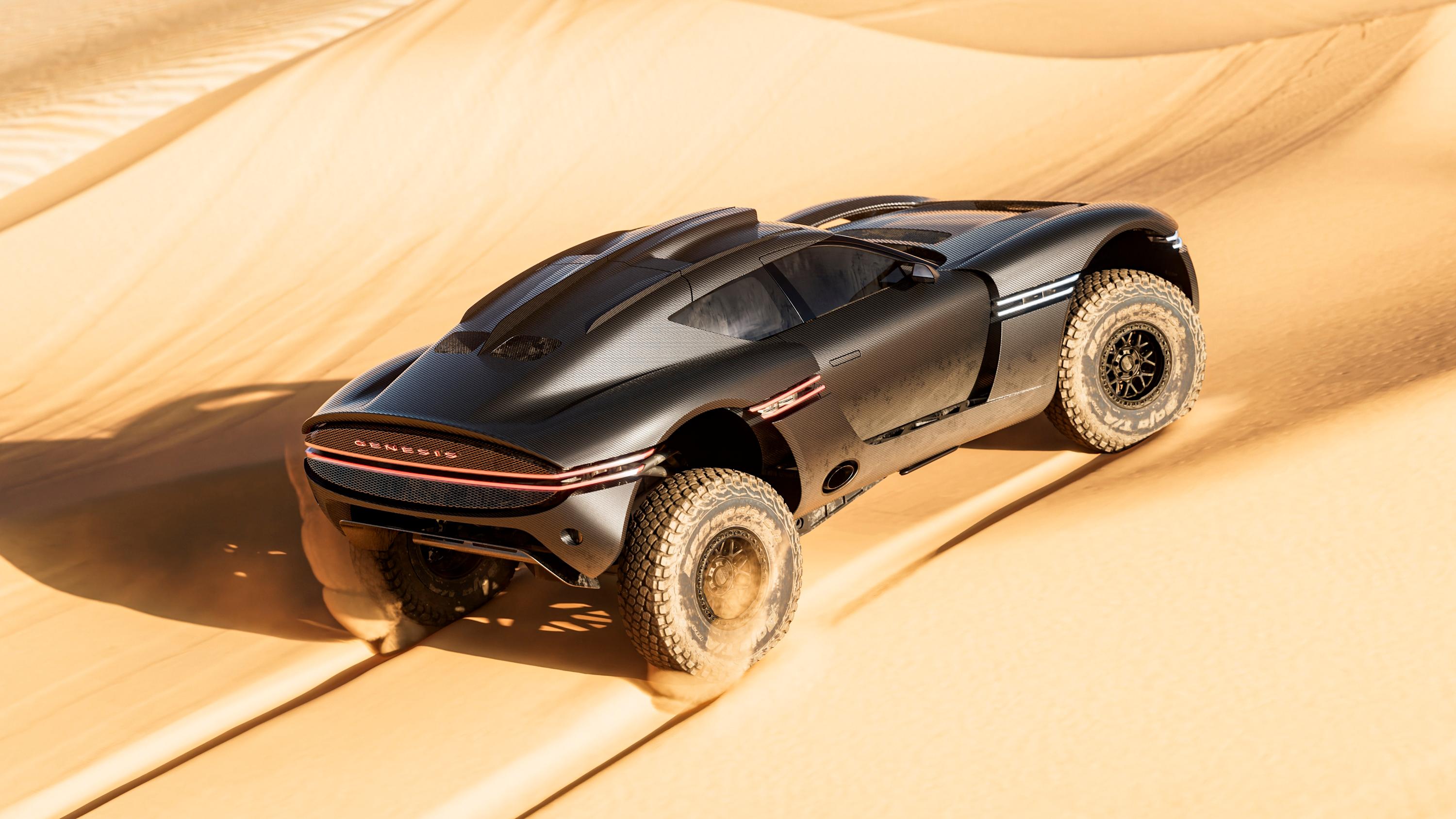
Genesis explores a production future for its 820kW X Skorpio concept
UnconfirmedFresh reports point to interest in building the extreme desert machine. Its V8 power, giant tyres and specialist structure remain concept details, with no NZ launch confirmed.
CarWatch Admin ·
News
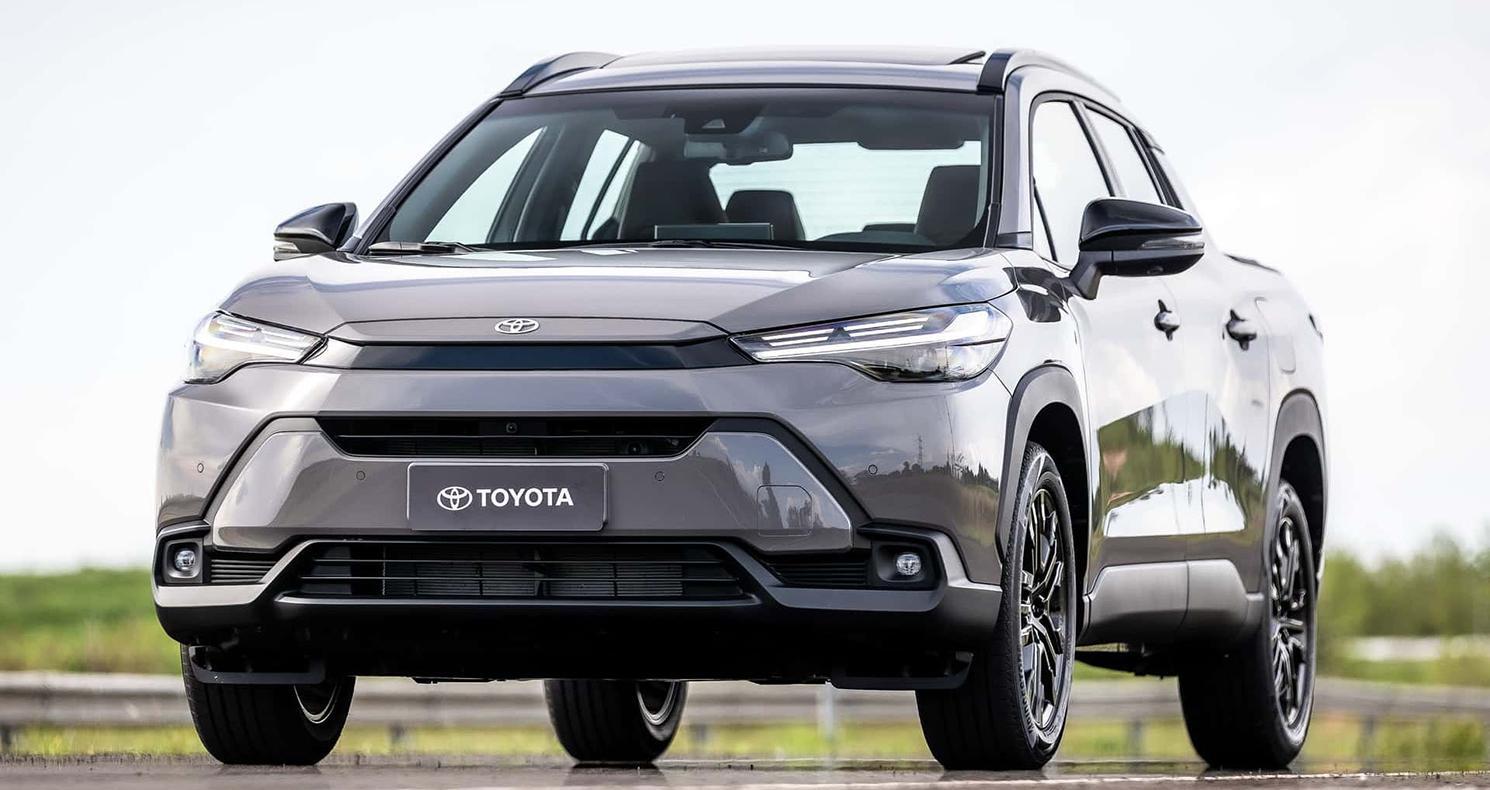
Toyota reveals Corolla Deck hybrid ute, with NZ plans unconfirmed
Overseas announcementThe Corolla Cross-based double cab is planned for Brazilian production in 2027. Its car-style construction offers a different ute formula, but local availability and key specifications remain unconfirmed.
CarWatch Admin ·