
Ford Bronco Basecamp: could it succeed in New Zealand?
Ford’s China-built, range-extender Bronco Basecamp is due in NZ in 2027. Its camping kit and electric-drive promise look intriguing, but price and off-road ability will decide its appeal.
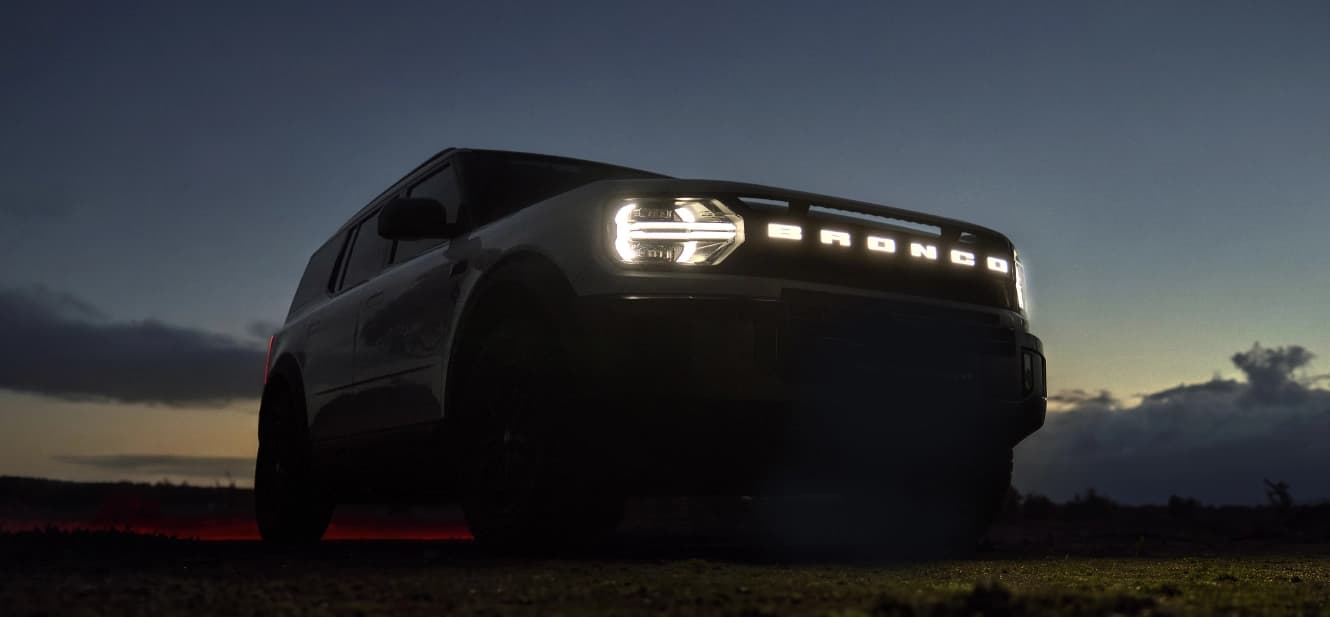
This first look is based on manufacturer information and specifications. We haven't driven this vehicle yet.
Ford has confirmed the Bronco Basecamp for New Zealand, with local arrivals expected in the second half of 2027. It is an unusually specific kind of SUV: a plug-in, range-extender hybrid built around camping, sleeping and powering gear as well as getting people to a trailhead.
My first impression is that the idea makes real sense here. But the Basecamp will need to prove that its adventure promise goes beyond a clever kitchen table and a familiar badge. The final price, towing limit and local off-road specification will matter more than any marketing claim.
First, it is not the American Bronco
The name may summon the rugged, body-on-frame Ford sold in North America. This is a different vehicle. The Basecamp is sourced from China, developed by Ford’s joint venture with Jiangling Motors, and uses a monocoque platform. It is a five-seat SUV with all-wheel drive through two electric motors, rather than a direct Kiwi-market version of the US off-roader.
That distinction is important. A monocoque SUV can be more comfortable and civilised on everyday roads, but the Bronco badge will lead some buyers to expect rock-crawling hardware and heavy-duty towing. The local model’s final capability figures have not been released, so it would be premature to treat it as an electric Everest or a ladder-frame 4WD.
Electric drive, petrol backup
Ford calls the system a “super hybrid”; in engineering terms it is an extended-range electric vehicle. The wheels are driven by electric motors, fed by a usable 49kWh battery. A 1.5-litre turbo-petrol engine acts as a generator to extend the journey rather than driving the wheels mechanically.
Ford’s current estimate is 800–900km of combined range on the WLTP cycle. That figure is preliminary, and it is not the battery-only range. Ford has not yet published a confirmed electric-only range, local charging times, power output or fuel consumption once the battery is depleted. Those details will tell buyers how much of the daily commute can realistically be done on electricity and what long-distance running costs might look like.
A campsite built into the vehicle
The more distinctive part of the Basecamp is its equipment. The seats fold down to create a sleeping space, with a shaped inflatable mattress available as an extra-cost accessory. On the Outer Banks grade, an electric lift roof adds headroom when parked, and a 7.5-litre console can warm or cool food and drinks while the vehicle is running.
A folding table is integrated into the rear swing gate. Ford’s Pro Power Onboard system can provide up to 6.6kW for equipment such as a cooktop or coffee machine, subject to outlet limits, battery charge and the required external adaptor. For a weekend away, that combination could be more useful than another screen or styling pack: it turns the car into a place to stop, sleep and cook.
The range-extender layout also suits New Zealand’s long distances better than a battery-only adventure vehicle might, especially where charging is sparse. Owners would still benefit from plugging in at home to make the most of the electric drive, and using campsite power will draw energy from the battery. Real-world range, weather, load and terrain will all affect the result.
Could it find buyers here?
I think it could, provided Ford prices it as an appealing lifestyle SUV rather than relying on the Bronco name to justify a premium. New Zealand has room for vehicles that make outdoor trips easier, and the Basecamp offers a clear point of difference from ordinary family SUVs. It could attract people who want the quiet, smooth feel of electric driving in town, but do not want to plan every long trip around a charger.
There is competition. CarExpert has pointed to the GWM Tank 300 and Tank 500, and the Denza B5, as likely rivals in the broader adventure-SUV space. Those models also trade on rugged styling and electrified powertrains. The Basecamp’s advantage would be its integrated camping kit and Ford dealer network; its challenge will be convincing buyers that the useful features are worth paying for.
For serious off-roaders, the unanswered questions are substantial: ground clearance, wading depth, approach and departure angles, differential locks, underbody protection and towing capacity. Ford Australia is tuning the suspension and drive modes, according to Auto Trader NZ, but the final New Zealand specification still needs to be confirmed. Towing can also cut into electric range, so a rating alone will not tell the whole story.
My take: the Bronco Basecamp has a better chance as a comfortable, clever camping companion than as a substitute for a traditional 4WD. If the price is competitive, the NZ model gets the right safety and recovery gear, and the range-extender behaves well on real trips, it could become one of Ford’s more interesting niche launches. If it arrives too expensive or light on genuine off-road capability, the “Basecamp” concept may feel like a list of gadgets attached to the wrong expectations.
Ford says local pricing, variants, detailed specifications and exact timing will be shared closer to launch. Until those arrive, the Basecamp is an intriguing prospect rather than a proven fit.
First Look · Spotted an error? Tell us. Read our editorial policy.
Related stories
First Look
Chery reveals new Tiggo 7 and Tiggo X7: could either reach New Zealand?
Chery has unveiled a new-generation Tiggo 7 and first Tiggo X7 in China. The Tiggo 7 is already sold here, but neither new SUV is confirmed for New Zealand.
CarWatch Admin ·
News
New Nissan Patrol priced from $120,990 ahead of early 2027 arrival
Confirmed for NZNissan’s new Patrol flagship SUV opens at $120,990 plus ORC, with four grades and first customer deliveries expected in early 2027.
CarWatch Admin ·
News
Mitsubishi Outlander Sport HEV arrives in December from $39,990
Confirmed for NZMitsubishi’s first NZ-market hybrid arrives in dealerships at the start of December, with the Outlander Sport XLS opening at $39,990 plus on-road costs.
CarWatch Admin ·
News
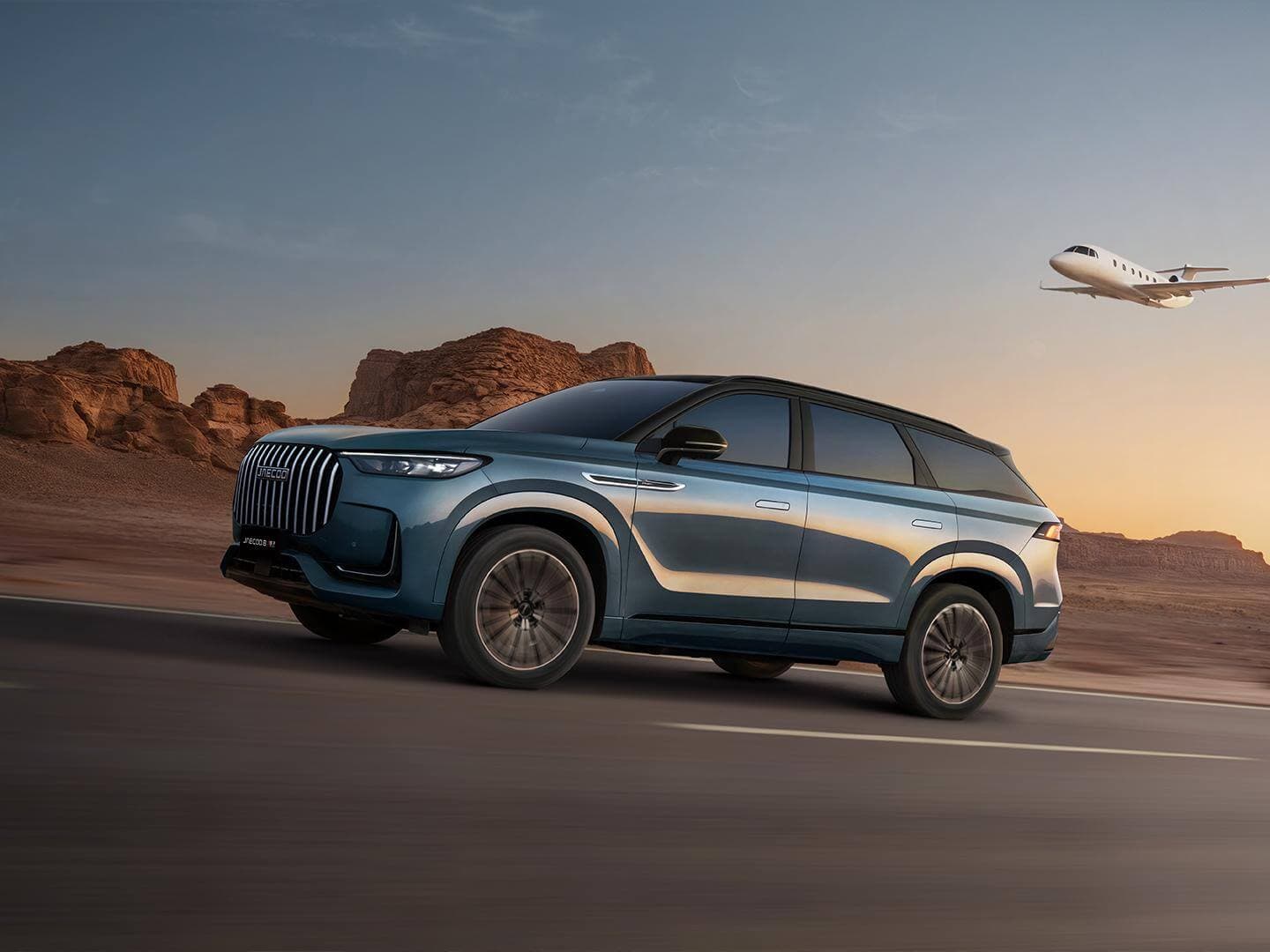
Jaecoo J8 Super Hybrid pre-orders open from $68,990
Confirmed for NZA New Zealand dealer is taking pre-orders for the seven-seat Jaecoo J8 SHS-P Summit AWD at $68,990 plus on-road costs, ahead of final local availability details.
CarWatch Admin ·