
Bring back the sporty ute: not everyone needs a 4x4
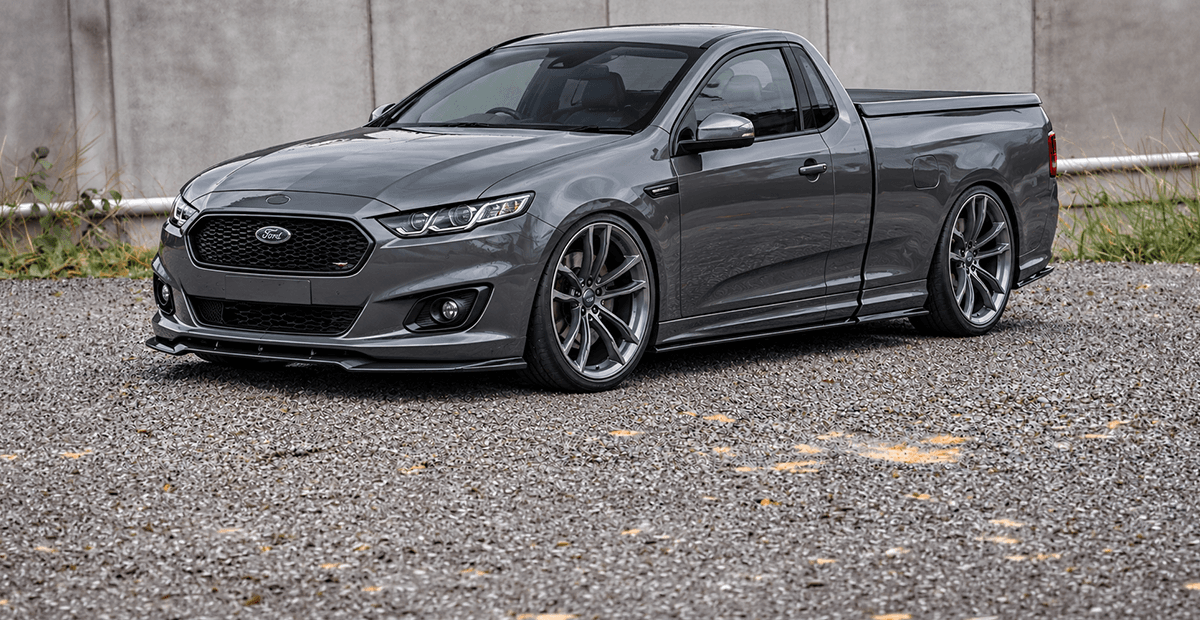
The Falcon and Commodore utes combined everyday usefulness with the sort of personality that made you look back after parking. Is it time for the low-slung two-door ute to make a comeback?
This first look is based on manufacturer information and specifications. We haven't driven this vehicle yet.
Opinion: There was a time when buying a ute did not automatically mean choosing a tall double cab with four-wheel drive, a diesel engine and enough ground clearance to tackle a paddock.
Sometimes a ute was low, rear-wheel drive, had two doors and looked like something you bought because you actually wanted to drive it. A Ford Falcon XR6 Turbo or a Holden Commodore SS ute could turn an ordinary trip into something to look forward to, while still carrying a bike, a toolbox or the results of an optimistic trip to the hardware store.
Those car-based utes have disappeared from new-vehicle showrooms, and I think we are worse off without them.
The ute that was also a car
The appeal of a Falcon or Commodore ute was easy to understand. You got the long bonnet and low seating position of a car, two seats up front and a tray where the back seats and boot might otherwise have been. Some were workhorses, while performance versions brought a lot more attitude to the same basic idea.
The Ford Falcon XR6 Turbo ute and Holden’s V8 SS models gave enthusiasts a practical reason to buy something fun. Even if you rarely needed the tray, it was there when you did. And unlike a high-riding four-wheel drive, the car-based shape felt right at home parked outside the shops, heading down the motorway or turning up to a weekend car meet.
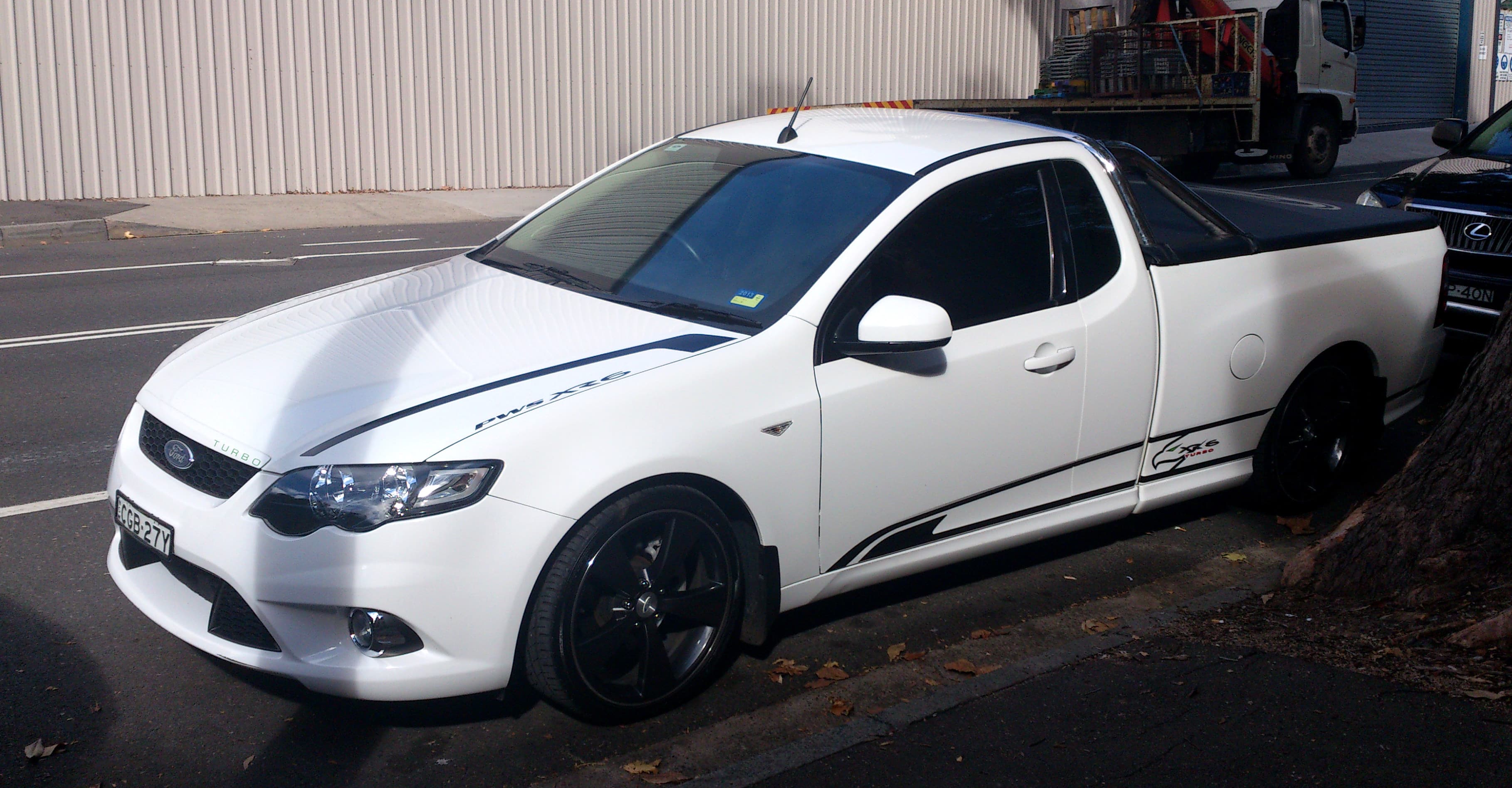
Photo: FotoSleuth, via Wikimedia Commons, CC BY 2.0.
There was personality in the way they looked, too. A sporty ute did not need a lifted suspension or a giant grille to have presence. Give it a low stance, good wheels and a decent engine, and the shape did much of the work.
Not every ute needs to do everything
Modern double-cab utes make sense for plenty of people. They can carry a family, take on rough roads and, depending on the model, tow serious loads. If you need those things, a low two-seater is unlikely to be the right replacement.
But there are also buyers who spend most of their time on sealed roads and only occasionally need an open tray. They might be a tradie who works alone, someone who carries bikes at the weekend, or a driver who simply likes the idea of a sporty car with a useful back end.
For those people, a lower, road-focused ute could be an appealing alternative. It could be easier to load than a tall tray and deliver a different driving experience from the usual high-riding pickup. Whether any future model actually achieves those things would depend on its design, of course.
What would a modern version look like?
It does not have to be a carbon copy of an old Falcon or Commodore. Imagine a modern two-door ute with a comfortable cabin, a useful tray and styling that looks good without pretending it is about to cross the outback.
A petrol engine would have obvious appeal to enthusiasts, particularly if it sounded good and sent power to the rear wheels. But a hybrid or electric version could be interesting too. Instant electric torque and a low-slung body could make for a quick, distinctive vehicle, provided the battery did not come at the expense of too much carrying ability or an unrealistic price.
The important thing would be getting the basics right: make it enjoyable to drive, give it a tray people can actually use, and keep the price within reach of the people who would want one.
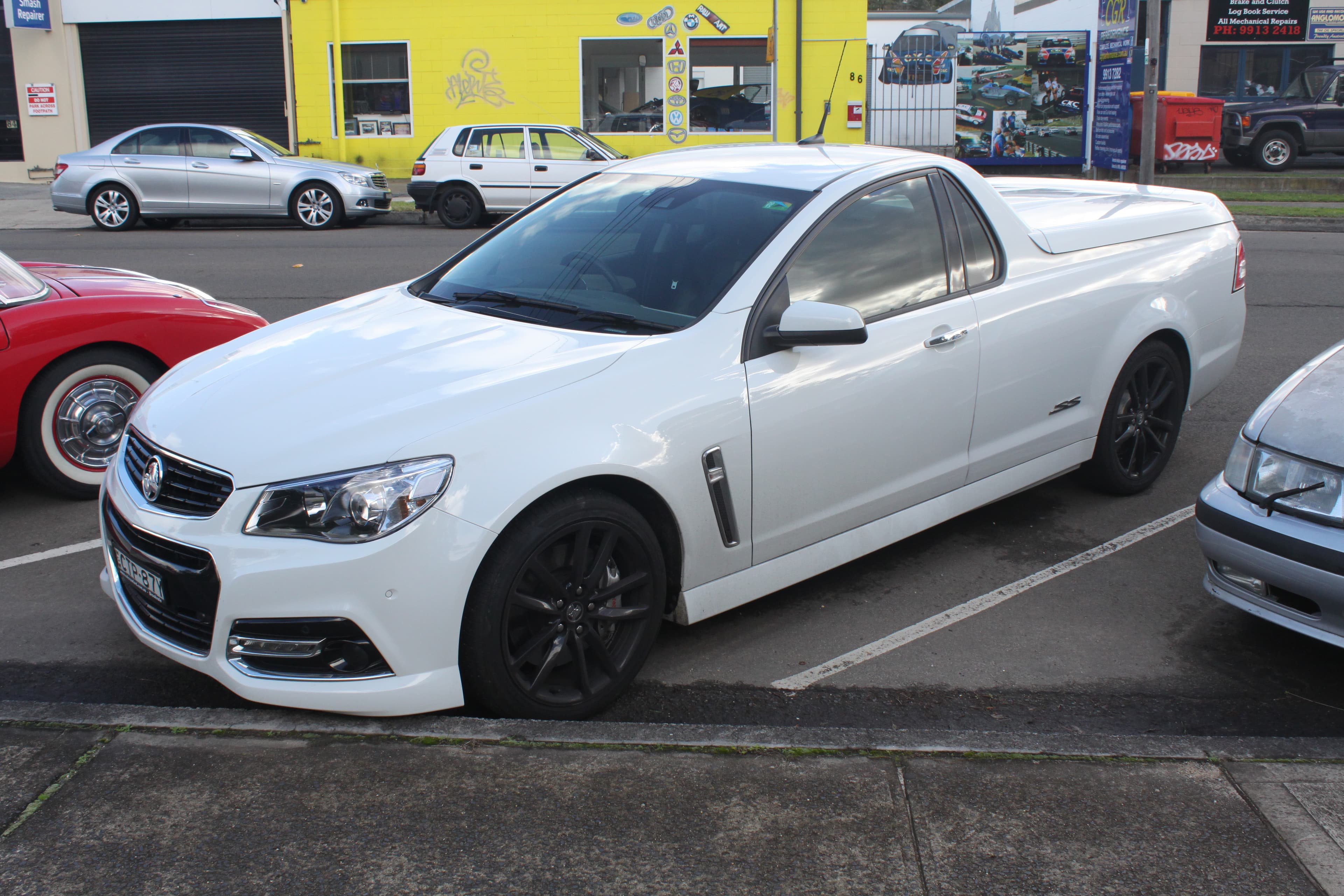
Photo: Jeremy, via Wikimedia Commons, CC BY 2.0.
The hard part is making it add up
Nostalgia is powerful, but enthusiasm on social media does not automatically translate into enough showroom orders. A two-seat ute has a smaller pool of potential buyers than a vehicle that can carry a family, and developing a new body style costs money.
That may be the biggest obstacle. Ford’s Falcon ute finished production in 2016, and the Australian-built Holden ute followed in 2017 as local manufacturing came to an end. Their return is not something a manufacturer can achieve simply by putting a tray on any car.
Still, there is a difference between a difficult business case and a bad idea. Shared platforms might help a manufacturer build a road-focused ute without starting from scratch, although that would still depend on engineering, safety requirements and enough buyers.
Give us a reason to want a ute again
The best thing about the old sporty utes was that they made usefulness feel exciting. They could carry more than a sports car and had more character than most work vehicles needed to have.
A new generation of low-slung utes would not need to replace the Ranger, Hilux or any other four-wheel drive. It would simply give drivers another choice, one built around sealed roads, two seats and the pleasure of driving something a little different.
Would you buy a modern sporty ute? And if you could bring one back, would it be the Falcon or the Commodore?
First Look · Spotted an error? Tell us. Read our editorial policy.
Related stories

News
Kia Tasman update in the works after divisive first impression
UnconfirmedThe Tasman got people talking when it arrived, although not everyone loved its looks. Now Kia is working on a mid-life update, but the changes are still some way off.
CarWatch Admin ·
First Look
Opinion: The Ford Bronco Basecamp is exactly the kind of SUV we need more of
Confirmed for NZFord’s upcoming Bronco Basecamp has a clear sense of purpose. Its blend of electric driving, petrol backup and thoughtful camping features could make getting away a little easier.
CarWatch Admin ·
News
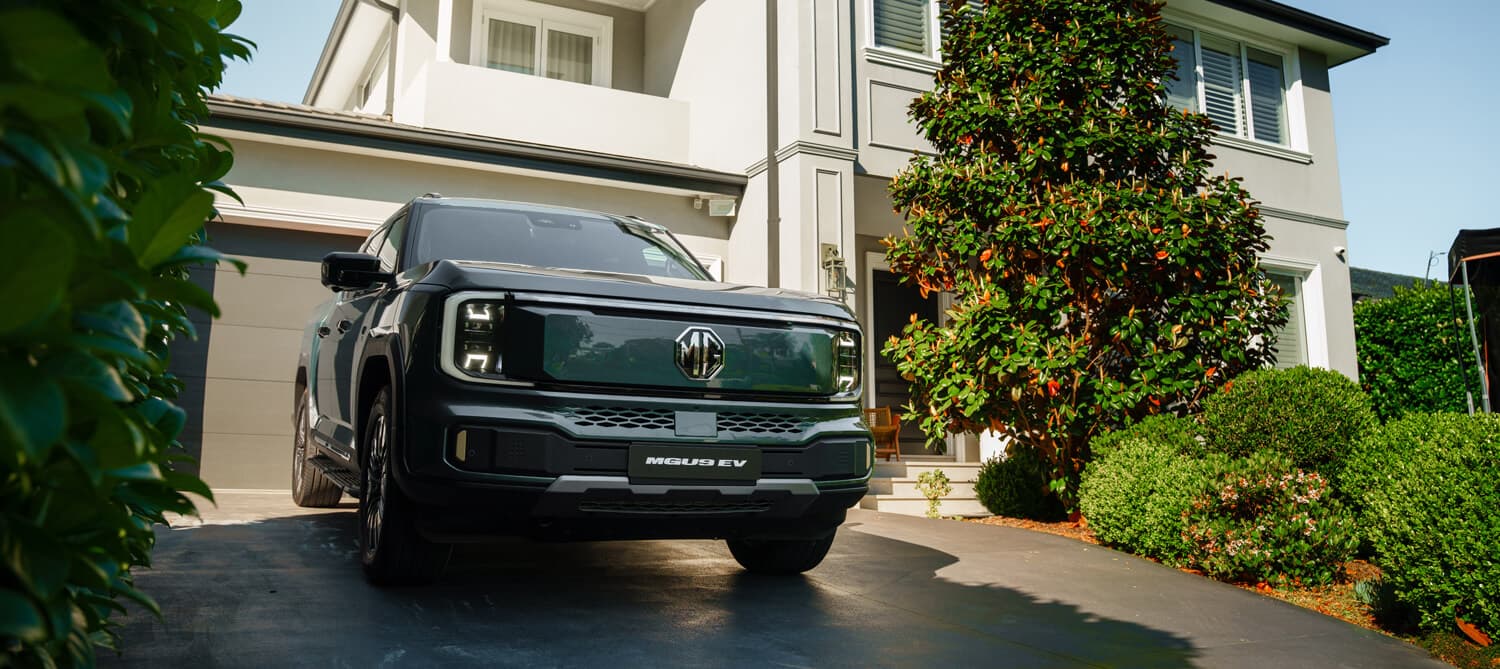
MG U9 EV electric ute launches in Australia ahead of expected NZ arrival
Expected in NZMG’s fully electric dual-cab ute has gone on sale across the Tasman with 3.5-tonne towing and a claimed 430km range. New Zealand pricing and an exact arrival date are yet to be announced.
CarWatch Admin ·
Explainer
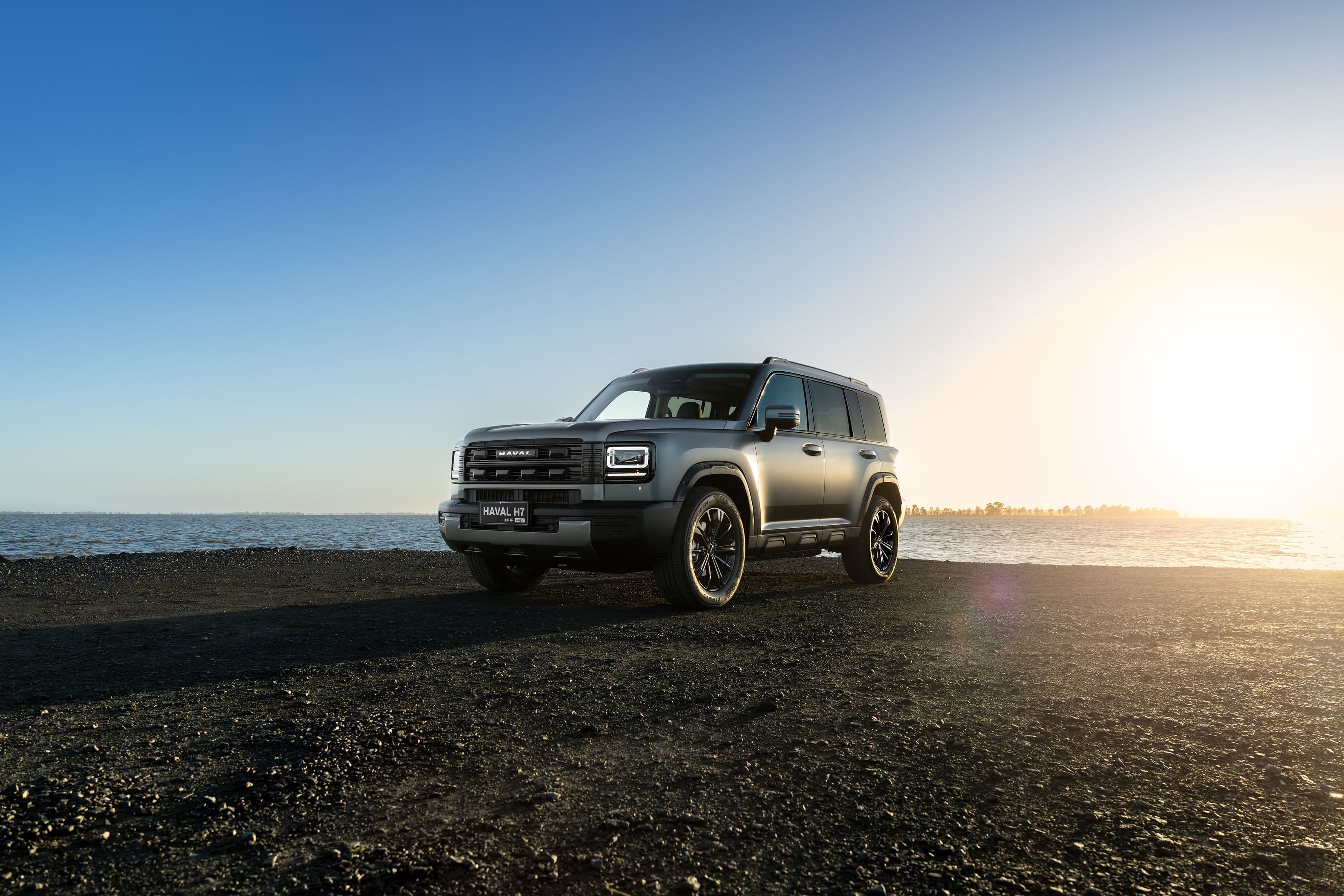
Boxy is back: the SUVs arriving in New Zealand and those still to come
The Haval H7 has brought an upright new look to local showrooms, and more square-shaped SUVs are on the way. Here's what Kiwi buyers need to know.
CarWatch Admin ·