
Opinion: The Ford Bronco Basecamp is exactly the kind of SUV we need more of
Ford’s upcoming Bronco Basecamp has a clear sense of purpose. Its blend of electric driving, petrol backup and thoughtful camping features could make getting away a little easier.
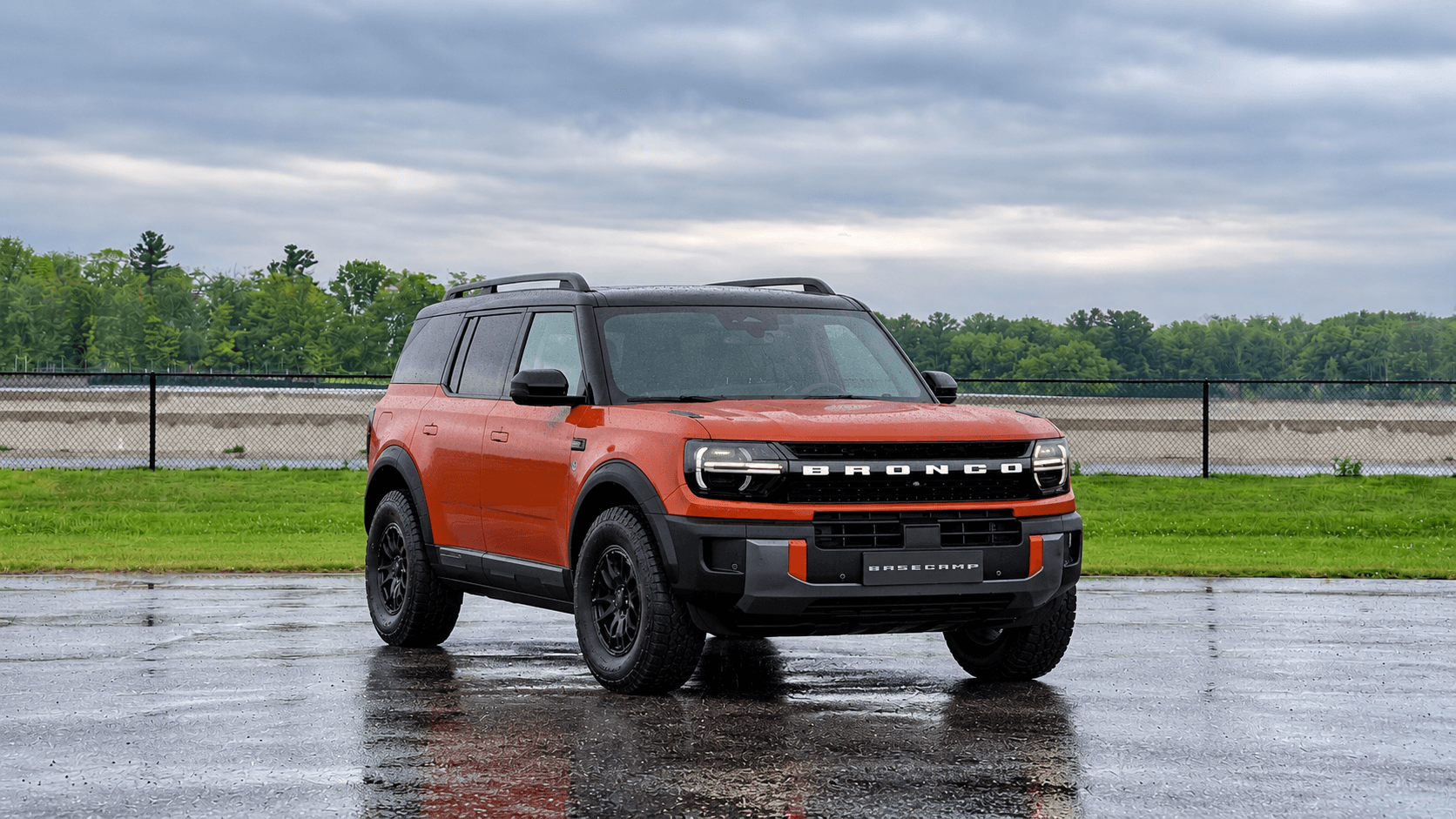
This first look is based on manufacturer information and specifications. We haven't driven this vehicle yet.
Opinion: Some new SUVs promise adventure with a set of chunky tyres and a dramatic advertisement. The Ford Bronco Basecamp feels more interesting because Ford has thought about what happens after you arrive.
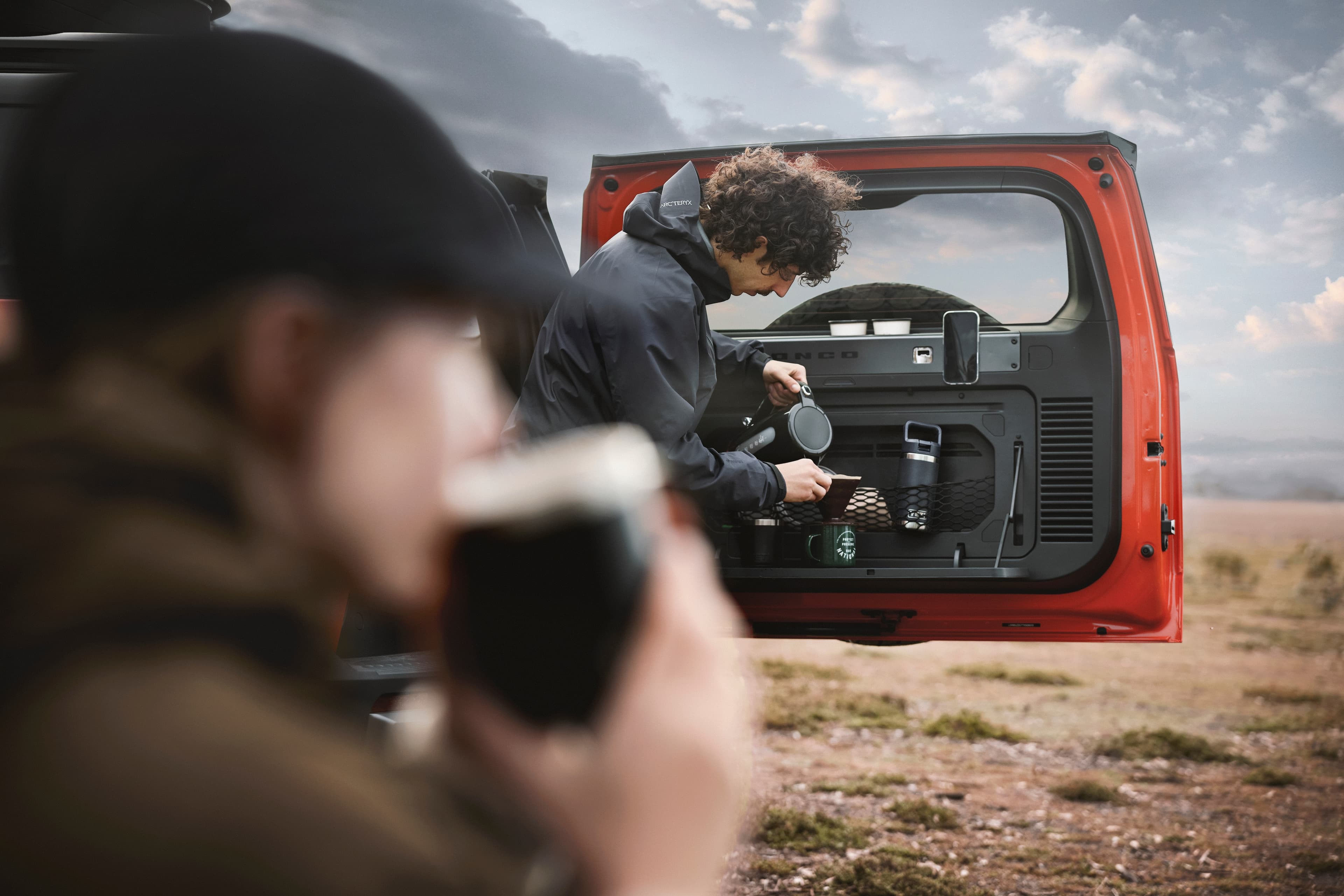
It is designed around the things people actually do on a weekend away: finding somewhere to stop, making a meal, keeping gear organised and having a comfortable place to sleep. For a country where a great trip can begin with a Friday afternoon drive and end beside a lake or a trail, that is an appealing idea.
Ford has confirmed the Basecamp for New Zealand, with arrivals planned for the second half of 2027. We have not driven it, and there is plenty still to learn. But on paper, this is one of the more interesting Fords heading our way.

Adventure without a shed full of accessories
The feature I like most is the simplest: the seats fold down to create a sleeping space. Ford will offer a fitted inflatable mattress as an extra-cost accessory, while a table folds out from the rear swing gate.
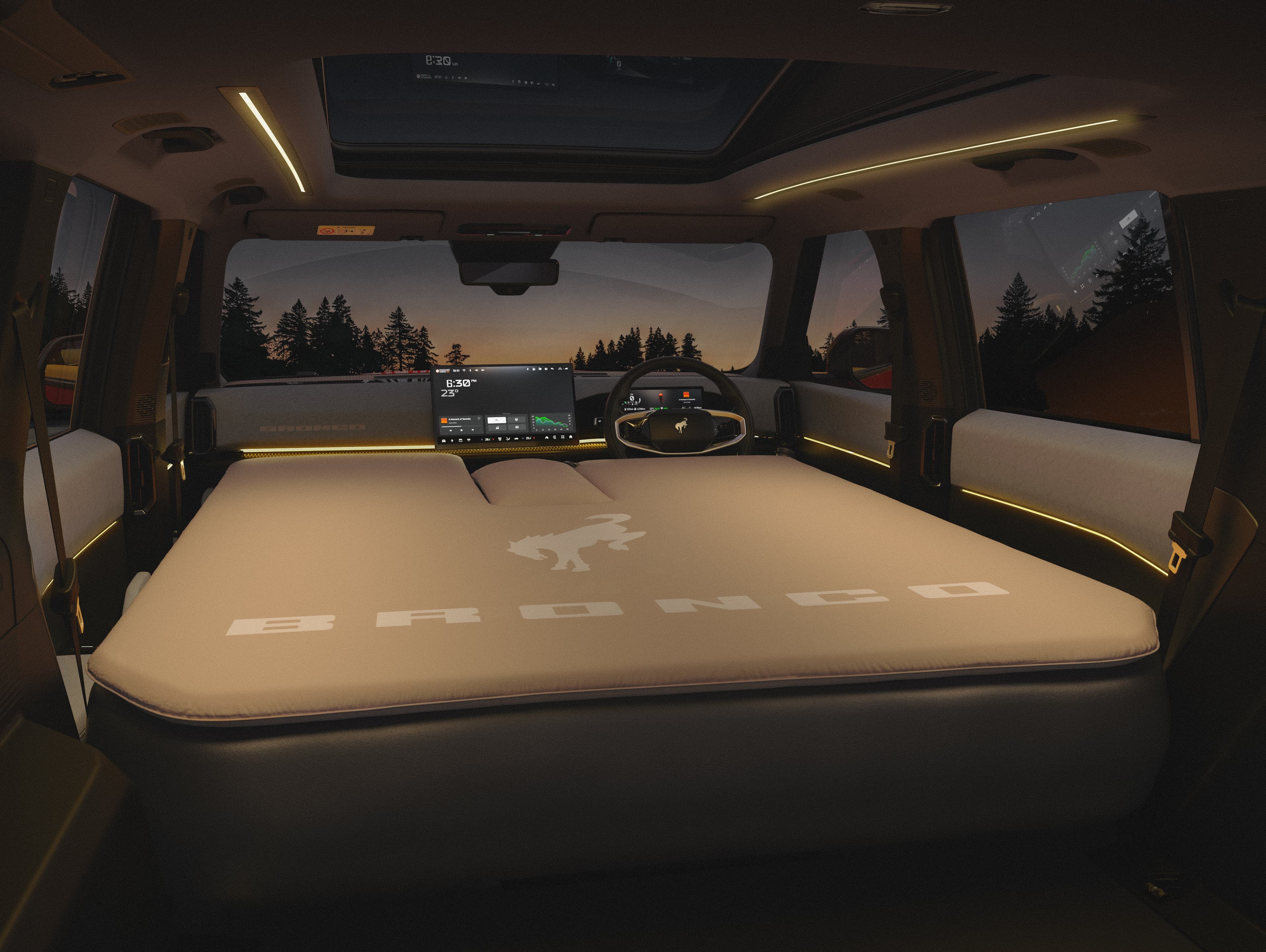
The Outer Banks model Ford has shown also has an electric pop-up roof for extra headroom and a centre console that can warm or cool food and drinks when the vehicle is running. Local variants and equipment are still to be confirmed, so we do not yet know exactly how those features will be offered here.
None of that replaces a proper campervan for a long trip. But for a spontaneous overnight stop or a weekend exploring somewhere new, having useful features built into the vehicle is a genuinely attractive proposition. Less setup means more time enjoying the place you came to see.
Electric driving with a useful backup plan
The Basecamp’s powertrain is just as interesting. Ford describes it as a super hybrid, or extended-range electric vehicle. Two electric motors drive the wheels, using a 49kWh usable battery, while a 1.5-litre turbo-petrol engine acts as a generator to extend the journey.
That combination could suit drivers who like the idea of plugging in for everyday trips but also want the flexibility to travel farther without relying entirely on finding a charger. How much daily driving can be done on electricity alone will depend on the final electric-only range and how the vehicle is used; Ford has yet to confirm that figure locally.
Ford’s preliminary combined estimate is 800–900km on the WLTP cycle. That figure uses both battery energy and petrol, and real-world results will vary. Even so, the idea of pairing electric drive with a petrol backup feels well matched to a vehicle built for longer trips.
Useful power when you get there
Ford says its Pro Power Onboard system can provide up to 6.6kW for equipment. That opens up possibilities for a campsite, from lighting and charging devices to running suitable cooking equipment.
There are conditions: output depends on which outlets are being used, an external adaptor costs extra, and powering equipment draws energy from the battery. Still, having usable power built into the vehicle makes the Basecamp feel more considered than an SUV that simply looks ready for the outdoors.
A different kind of Bronco
Some enthusiasts will look at the name and expect the American Bronco. The Basecamp is a different vehicle with a monocoque platform and its own camping-focused brief. That might disappoint anyone hoping for the US model, but I think it deserves to be judged on what it is trying to do.
Most owners will spend far more time driving to work, carrying passengers and heading away for weekends than tackling extreme terrain. A vehicle designed to make those everyday journeys and getaways more enjoyable has a place alongside more traditional four-wheel drives.
Of course, price matters. So do the final New Zealand specifications, charging details and how well it drives on our roads. Ford has not yet announced local pricing, variants or an exact arrival date, and its range figures remain preliminary.
But the concept itself is easy to get excited about. The Bronco Basecamp looks like an SUV with a clear purpose and a little personality. If Ford gets the local package right, it could make the simple act of getting away for the weekend feel a lot more inviting.
First Look · Spotted an error? Tell us. Read our editorial policy.
Related stories
Explainer
Boxy is back: the SUVs arriving in New Zealand and those still to come
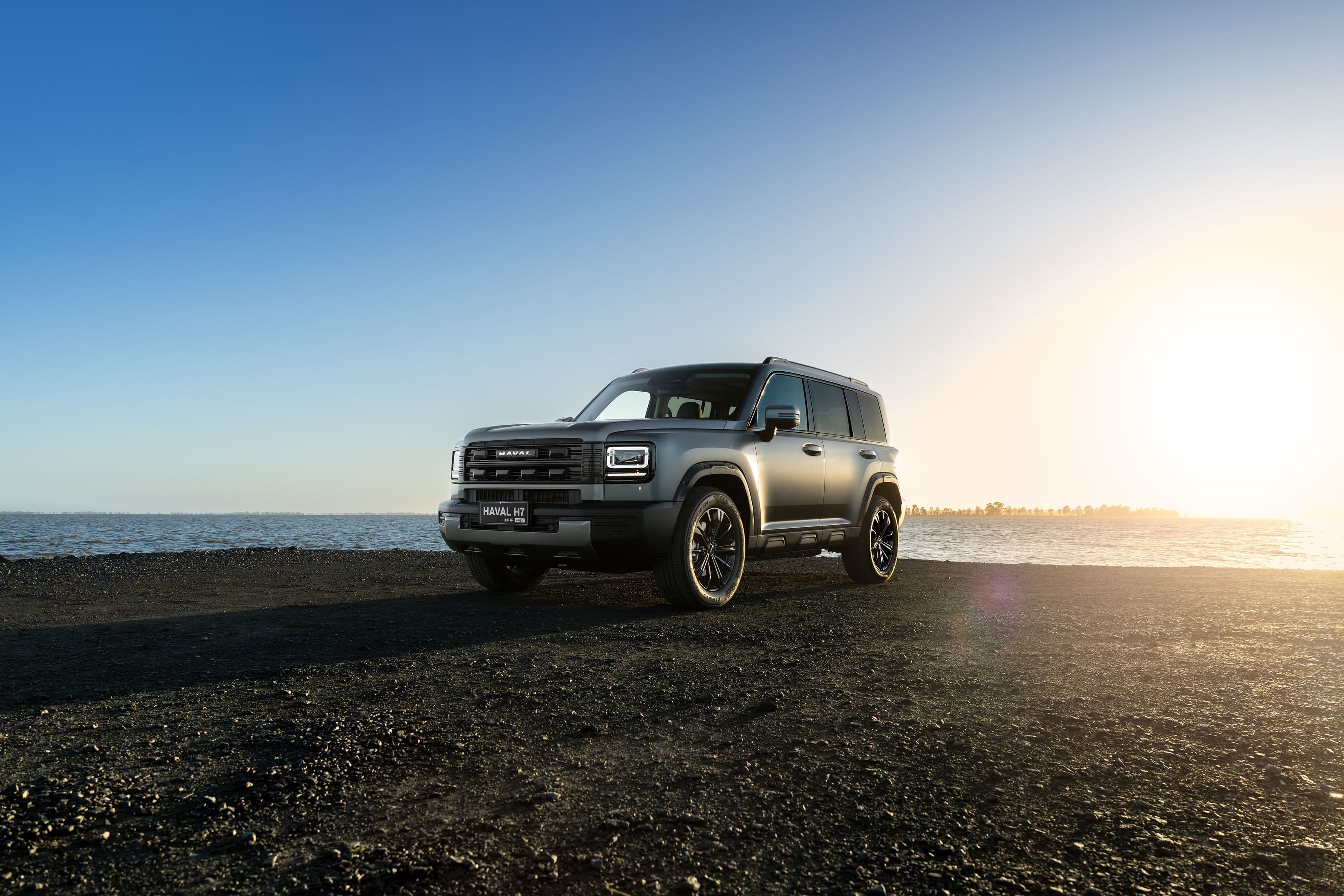
The Haval H7 has brought an upright new look to local showrooms, and more square-shaped SUVs are on the way. Here's what Kiwi buyers need to know.
CarWatch Admin ·
News
New BYD Seal 07 opens for orders in China, with NZ launch unconfirmed
UnconfirmedBYD's larger second-generation Seal 07 sedan is available for blind orders in China. It offers electric and plug-in hybrid power, but has yet to be confirmed for New Zealand.
CarWatch Admin ·
News
Exlantix confirmed for NZ: ET SUV and ES GT due in 2027
Confirmed for NZChery's premium Exlantix marque is expected in New Zealand in the first half of 2027. We examine its ET SUV, ES GT shooting brake and the questions Kiwi buyers should ask.
CarWatch Admin ·
News
BYD cuts NZ prices by up to $4,000: what each deal means
BYD's Pick Your Perk campaign cuts prices across 17 New Zealand EV and plug-in hybrid variants until 31 December. Here are the key prices, exclusions and catches.
CarWatch Admin ·